Renovation goes wrong less often because of bad tools and more often because of bad planning. Before you rip out a single cabinet or order a single tile, you need a clear roadmap. This guide walks you through a practical, step‑by‑step process to plan and organize a renovation so you can spend less time fixing mistakes and more time actually improving your space.
Start With the Problem, Not the Pinterest Board
Most projects explode in cost and complexity because they start with “what looks cool” instead of “what’s not working.”
Begin by walking through your space and writing down exactly what bothers you and why. Is the kitchen dark? Is there never enough storage? Does the bathroom feel cramped in the morning when everyone’s getting ready? Focus on function first, aesthetics second.
Then, define your “must‑fix” issues versus “nice‑to‑have” upgrades. Must‑fix items are things like leaks, unsafe wiring, rotting trim, or a layout that genuinely doesn’t work for your household. Nice‑to‑haves are things like upgraded finishes, trendy colors, or decorative features.
A simple way to test your priorities: ask whether the change will matter in three years. A safer staircase, more durable flooring, or better lighting almost always will. A specific tile pattern might not. This mindset keeps you from chasing trends and helps you direct your budget where it counts.
When you do look for inspiration, use it as a filter, not a script. Save photos that solve the same problems you have (more light, better storage, easier cleaning), not just photos that look impressive.
Step 1: Map Your Scope Before You Spend a Dollar
Once you know the problems you’re solving, turn that into a specific scope of work. This is the difference between “redo the bathroom” and “replace tub with walk‑in shower, add storage, improve ventilation, and update lighting.”
Write your scope in plain language, room by room. For each space, list:
- What stays (walls, windows, major plumbing)
- What changes (fixtures, finishes, layout)
- What you’ll do yourself
- What will require a licensed pro (electric, structural, or gas work)
Be realistic about your skills and time. Painting, installing simple shelving, and basic trim work are usually DIY‑friendly. Moving load‑bearing walls, relocating plumbing, and major electrical work are not.
At this stage, also note any known issues: old wiring, past water damage, drafty windows, or signs of structural movement. Even if you’re not fixing them right away, they can affect your costs and sequence of work.
Once your scope is written, imagine the order of operations from demolition to cleanup. If you’re doing multiple rooms, consider whether anything can share work—like painting several rooms at once or having an electrician handle all upgrades in one visit.
Treat this scope as a working document. You’ll refine it as you get prices and learn what’s realistic for your budget and timeline.
Step 2: Build a Realistic Budget With Buffers
A good budget is more than a list of material prices; it’s a tool for making decisions. Start with a rough cost range based on the type of project (kitchen, bath, whole room update), then refine.
Break your budget into categories:
- Labor (if you’re hiring out any work)
- Materials (lumber, drywall, flooring, tile, fixtures)
- Tools and equipment (anything you must buy or rent)
- Permits and inspections (if required)
- Contingency (an emergency cushion, typically 10–20%)
Use multiple sources to estimate: local store prices, contractor websites, and online cost guides. Don’t forget small items—fasteners, caulk, patching compound, sandpaper, tape, and drop cloths can add up.
For DIY projects, it’s tempting to ignore the value of your own time. You don’t need to put a dollar amount on it, but you should be honest about what free weekends are actually worth to you. A project that saves $500 but eats eight weekends might not feel like a win.
Add a contingency line item and treat it as non‑negotiable. Old houses and hidden issues are common reasons projects go over budget—and often, the surprise is behind the first wall you open.
Finally, rank your plans in order of importance. If the budget tightens, you’ll know immediately what can be postponed (for example, new interior doors) and what cannot (fixing moisture problems or upgrading unsafe systems).
Step 3: Check Code, Permits, and Hidden Systems
Ignoring building codes or skipping permits can cost you more later—especially if you plan to sell, refinance, or make insurance claims.
Start by checking your city or county’s building department website. Look for:
- Whether your project type typically requires a permit (deck, structural changes, electrical updates, significant plumbing moves)
- Any specific rules for your area (setbacks for additions, height limits for decks, or egress requirements for bedrooms)
- Required inspections at each stage of work
If anything involves structural changes, electrical service, gas lines, or major plumbing moves, consider at least a paid consultation with a licensed pro. They can flag code issues early and help you avoid unsafe shortcuts.
While you’re planning, think about the systems you can’t see:
- Electrical – Are there enough circuits for added lighting or outlets? Is your panel near capacity?
- Plumbing – Can existing lines support new fixtures? Any history of slow drains or low pressure?
- Ventilation – Are you adding or improving exhaust fans in moisture‑heavy spaces like bathrooms and kitchens?
If your home is older, research common issues for your era and region (for example, knob‑and‑tube wiring, galvanized pipes, or lack of insulation). It’s often smarter to handle these while the walls are open instead of patching around them and revisiting later.
Step 4: Plan Your Timeline Around Real Life
A renovation isn’t happening in a vacuum—you still need a place to sleep, cook, and shower. The more you align your schedule with reality, the less painful the process.
Start with any fixed dates you can’t move: holidays, family events, work trips, or seasonal weather. Blocking those out first keeps you from overcommitting.
Then:
- Estimate how long each major task will take, and double that time for DIY work if you’re new to it.
- Sequence messy, noisy work first (demolition, major sanding, cutting) and finishing work last (painting, caulking, touch‑ups).
- Group similar tasks together: cut all trim in one block of time, paint multiple rooms in a single weekend, install all new fixtures the same day.
If you’re renovating a critical space (like your only bathroom or your kitchen), plan a temporary setup. That might mean:
- Setting up a simple kitchen with a microwave, hot plate, and small prep area
- Staggering bathroom work so the toilet remains usable as much as possible
- Scheduling shower‑critical work for short, well‑defined windows
Communicate timelines clearly with any pros you hire and build in buffer time before and after their work. Delays happen—materials can be back‑ordered, inspectors can be booked out, and weather can slow exterior projects.
Treat the schedule like your budget: a flexible framework, not a rigid promise. Review it weekly and adjust based on progress, not wishful thinking.
Step 5: Organize Materials and Workflow Before You Demo
Demolition is exciting, which makes it the most dangerous phase for your planning. Tearing things out before you’re ready often leads to living in a half‑finished space for far too long.
Before you swing a hammer:
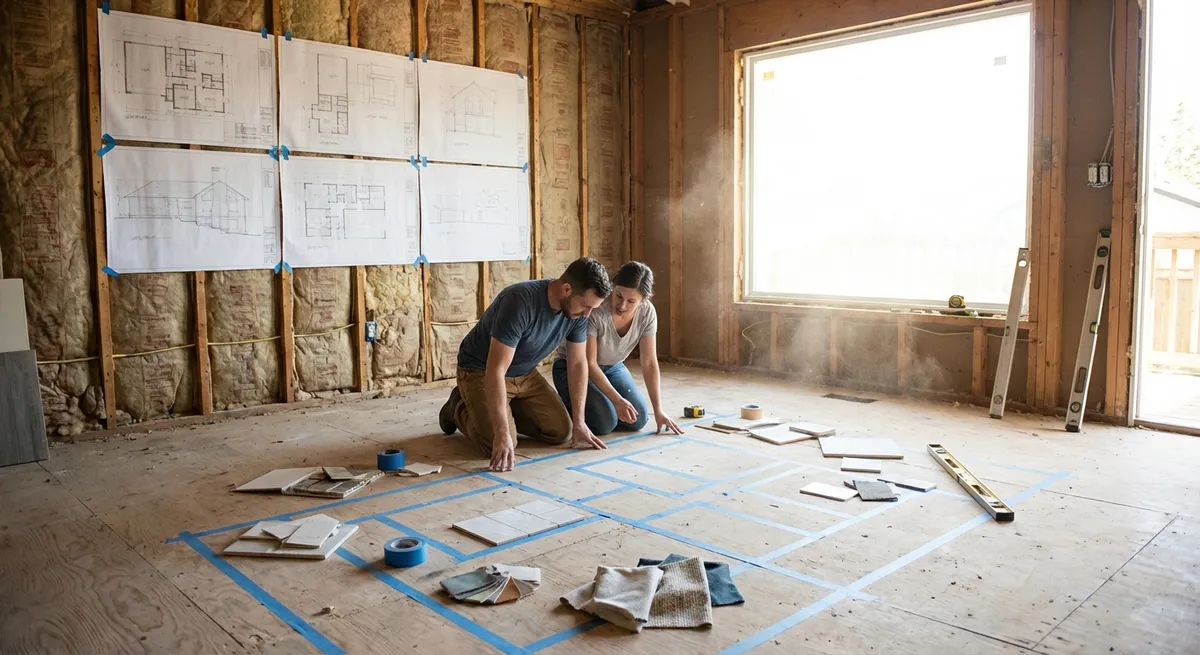
- Confirm your final layout and measurements.
- Order long‑lead items (such as special‑order windows, doors, tile, or fixtures) and confirm lead times.
- Have at least the first wave of materials on site and stored safely.
- Ensure you have the essential tools and safety gear you need for the first tasks.
Create a simple staging system:
- Designate a clear area for tools and a separate area for materials.
- Label boxes or bins by room and task (for example, “Hall Bath – Plumbing Fixtures”).
- Keep frequently used tools in a single, portable container you can move from room to room.
Plan how debris will leave the house. Renting a dumpster, scheduling bulk pickup, or making runs to the local waste facility should be part of the plan, not an afterthought.
During the work, keep a running list of “next day” tasks so you don’t waste time figuring out what to do every time you pick the project back up. End each work session with basic cleanup—sweeping, stacking materials, and putting tools away. It feels slow in the moment but pays off in reduced frustration and lost items later.
Step 6: Protect Your Home and Everyone in It
Renovation creates dust, noise, and hazards that can affect people and pets well beyond the work area. A few preventative steps make the project safer and more livable.
Focus on:
- Containment – Use plastic sheeting and painter’s tape to isolate dusty zones. Keep doors closed and vents covered (temporarily) in active work areas to limit dust in your HVAC system.
- Air quality – Use fans to ventilate when painting or using adhesives. A box fan in a window blowing outward can help pull fumes outside. Consider a portable air purifier in adjacent living areas.
- Safety gear – Have eye protection, hearing protection, work gloves, and appropriate masks or respirators on hand. Don’t sand unknown old paint without understanding lead safety requirements.
- Trip and fall hazards – Keep cords, tools, and materials out of main walkways. Good lighting in the work area is a safety tool, not a luxury.
If you have kids or pets, set clear “no go” zones and store sharp tools and chemicals out of reach. Consider temporary gates or barriers to keep curious hands and paws away from danger.
Finally, think about noise and neighbor impact if you share walls or live close together. Limiting loud work to reasonable hours keeps conflict to a minimum and can even make it easier to get help or flexibility if you ever need it.
Step 7: Document As You Go (Future You Will Thank You)
Renovation isn’t just about the finished surface; it’s also about what’s behind the walls. Documenting your work helps with future repairs, upgrades, and even potential resale.
Build a simple project record:
- Take photos before, during, and after each stage, especially with walls open. Capture locations of wiring, plumbing, blocking, and any structural changes.
- Save manuals, receipts, and warranty info for all major fixtures and appliances.
- Keep a simple log of what was done, when, and by whom (including contractors and inspectors).
Store everything in a single digital folder with clear names and dates. Even a basic system like “Kitchen_Renovation_2026 > Electrical > In‑Wall_Photos” can make future troubleshooting far easier.
If you ever sell your home, this record can show buyers and inspectors that work was done thoughtfully and in line with modern expectations, which can add confidence and value.
Conclusion
Successful renovation isn’t about doing everything yourself or buying the most expensive materials. It’s about knowing what problem you’re solving, planning your scope and budget, understanding the rules that apply to your project, and organizing your work so your home and life can function while the dust settles.
By slowing down at the beginning—mapping the project, building a realistic budget, checking code needs, organizing materials, and protecting your space—you speed everything up later. Fewer surprises, fewer do‑overs, and a finished space that actually works for the way you live.
Sources
- U.S. Consumer Product Safety Commission – Home Maintenance and Repairs – Guidance on staying safe during home projects and repairs
- U.S. Department of Housing and Urban Development – Rehab a Home Guide – Federal resource on planning and managing home rehabilitation projects
- National Association of Home Builders – Remodeling Basics – Industry insights on remodeling planning, budgeting, and working with professionals
- This Old House – Home Renovation Planning – Practical advice on planning the scope, sequence, and logistics of larger renovations
- U.S. Environmental Protection Agency – Renovation, Repair and Painting Program – Official information on lead-safe renovation requirements, especially important in older homes
Key Takeaway
The most important thing to remember from this article is that this information can change how you think about Renovation.