A solid tool kit doesn’t have to be huge or expensive, but it does need to be intentional. If you’ve ever started a home project and realized halfway through that you’re missing the one tool that would make it easy, you know how frustrating that is. This guide walks you through building a reliable DIY tool kit step by step—what to buy first, how to choose quality, and how to keep everything ready to go when you need it.
Step 1: Map Your Projects Before You Buy Anything
Before you spend a dollar on tools, get clear on what you’ll actually be doing in the next 6–12 months.
Spend a few minutes listing real projects you want to tackle: hanging shelves, assembling furniture, fixing a leaky faucet, installing curtain rods, patching small holes, or building a simple workbench. Be specific—“fix the bathroom door that sticks” is more useful than “general repairs.”
Once you have that list:
- Under each project, write the likely tasks (e.g., “measure,” “drill holes,” “tighten bolts,” “cut boards”).
- Look up one simple how-to for each project and note which tools keep showing up (tape measure, drill/driver, level, stud finder, utility knife, etc.).
- Circle the tools that appear across multiple projects. Those are your first priorities.
- Separate tools into two groups:
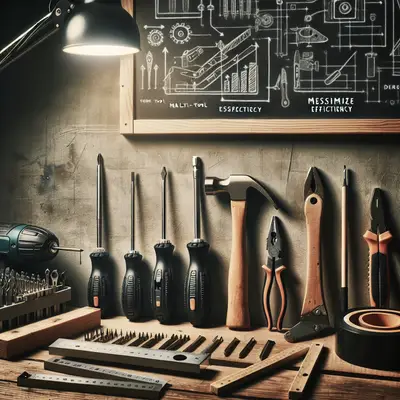
- Core tools you’ll use constantly (screwdrivers, hammer, tape measure, drill/driver, utility knife, adjustable wrench).
- Project-specific tools (pipe wrench, tile cutter, stud finder, hacksaw).
This approach keeps you from buying tools “just in case” and focuses your budget on what will actually get used. Aim to buy quality in the tools that show up in multiple projects—that’s where durability really pays off.
Step 2: Choose the Right Version of Each Core Tool
Once you know what you need, the next step is picking the right version. Small details (handle comfort, length, weight) can make the difference between a tool you reach for and one you avoid using.
When you’re choosing core tools, use these practical guidelines:
- Hammer:
- Look for a 16 oz claw hammer for general DIY use.
- Try a fiberglass or steel handle with a comfortable, non-slip grip.
- Avoid ultra-light toy-like hammers; they make work harder, not easier.
- Screwdrivers:
- Start with a basic set: Phillips #1 and #2, flathead (slotted) in at least two sizes.
- A multi-bit ratcheting screwdriver can be a good space-saver, but still keep one solid fixed Phillips #2 on hand—it fits most common screws around the house.
- Tape measure:
- Choose at least 25 feet with clear, easy-to-read markings.
- A standout of 7–9 feet (how far the blade extends before bending) makes solo measuring much easier.
- A strong belt clip and a lock that feels solid are worth paying a bit more for.
- Utility knife:
- Go for a retractable blade with a metal body, not flimsy plastic.
- Look for easy blade change and built-in blade storage.
- Always keep a few spare blades in your tool box; a fresh blade is safer than a dull one.
- Adjustable wrench and pliers:
- A 10" adjustable wrench handles most nuts/bolts for home use.
- Combine it with a pair of slip-joint or groove-joint pliers for gripping pipes or irregular shapes.
- Cordless drill/driver:
- 18V or 20V is a good balance of power and weight for DIY.
- Prioritize: comfortable grip, variable speed, and at least two batteries if your budget allows.
- Make sure it includes both drill bits and driver bits, or plan to buy a small set.
If possible, handle tools in a store before you buy. A tool that feels balanced and comfortable is safer and will get used more often. For power tools, read a few reviews focused on reliability and battery life, not just power.
Step 3: Set Up a Simple, Practical Tool Layout
Tools aren’t useful if you don’t know where they are. You don’t need a fancy workshop—just a consistent system that keeps everything easy to grab and easy to put back.
Here’s a straightforward way to set up your layout:
Choose one “home” for tools
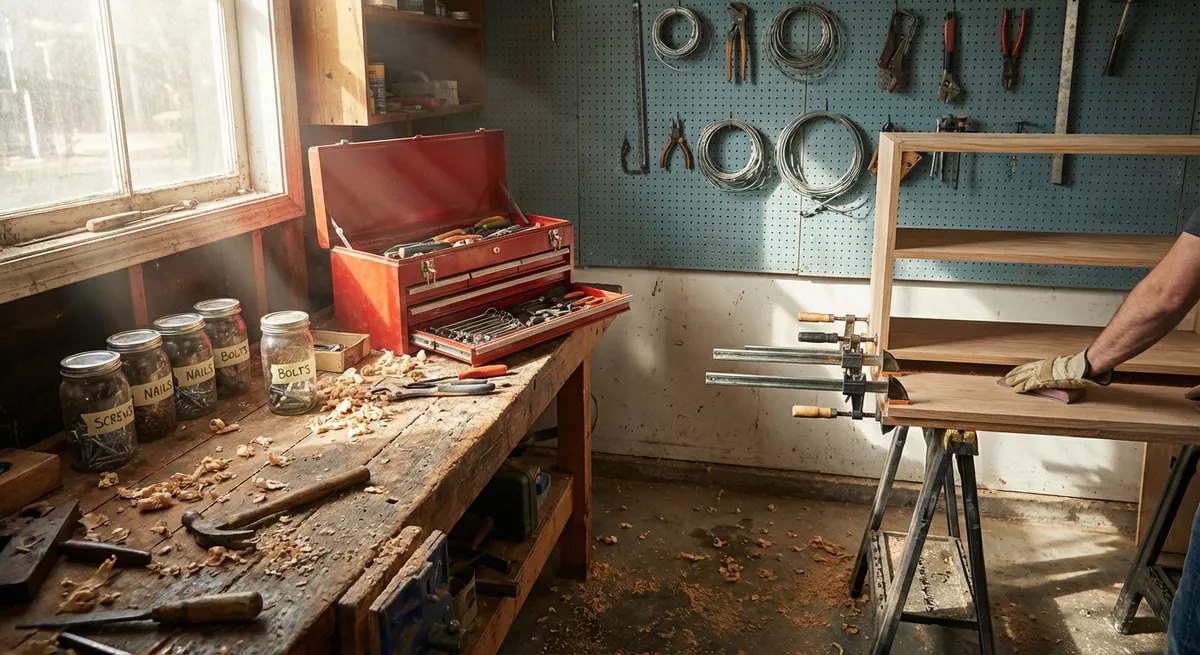
- A sturdy tool box, a rolling tool bag, or a shallow tote with compartments all work. - Keep it in a dry, easy-to-access spot: a bedroom closet, hallway closet, or a designated shelf in the garage.
Separate “everyday fix” tools from bulk storage
- Put your most-used items in one tray or upper compartment: - Tape measure - Hammer - Utility knife - Screwdriver (or multi-bit) - Pliers - Pencil and small notepad - Deeper sections can hold drill, bits, wrenches, and specialty tools.
Use small organizers for tiny pieces
- Put screws, wall anchors, picture hooks, and spare blades in a small divided box or a labeled container. - Label sections by type and size (“Wood screws #8,” “Drywall anchors,” “Picture hangers”) to avoid guesswork mid-project.
Keep safety gear with your tools
- Safety glasses, basic work gloves, and ear protection should live in the same box or bag. - If they’re always nearby, you’re more likely to use them.
Create a simple labeling system
- Use painter’s tape or a label maker on compartments for things like “fasteners,” “measuring,” “cutting,” and “drilling.” - The goal is simple: you can hand this kit to someone else, and they can find what they need without digging around.
Your tool layout doesn’t need to be perfect, just consistent. Every tool should have a clear “home” so it can go back to the same spot after each project.
Step 4: Build a Basic Maintenance Routine So Tools Last
Good tools can last for years if you give them a little attention. This doesn’t have to be complicated—think of it as an occasional “checkup” so your tools are ready when you are.
Use this simple routine:
After each project
- Wipe down tools with a dry or slightly damp cloth to remove dust and debris. - Check for any visible damage (cracked handles, frayed cords, bent parts). - Put every tool back in its proper spot—this is when you notice what might be missing.
Once a month (or every few projects)
- Hand tools: - Check screwdriver tips: if they’re rounded or twisted, they’ll slip and damage screws; consider replacing them. - Look at the hammer head: if it’s loose or the handle is cracked, stop using it until repaired or replaced. - Measuring and cutting tools: - Make sure your tape measure retracts smoothly and the hook isn’t bent. - Replace utility knife blades as soon as cutting feels harder than it should.
Power tools
- Wipe down vents to keep dust from building up. - Check drill chucks (the part that holds the bit) to be sure they tighten and release smoothly. - For cordless tools, store batteries at room temperature and avoid leaving them fully discharged for long periods.
Rust prevention
- Keep tools dry and off concrete floors (concrete can hold moisture). - In humid areas, store a small container of silica gel or a rust inhibitor in your tool box. - If you see light rust on metal surfaces, gently remove it with fine steel wool or a rust eraser, then wipe clean.
Fasteners and consumables
- Once in a while, top up the basics you use most: wood screws, drywall anchors, utility blades, painter’s tape. - Keeping these on hand prevents last-minute runs to the store when you’re halfway through a project.
With just a bit of maintenance, you’ll avoid mid-project breakdowns and unexpected tool failures that slow you down.
Step 5: Use Your Tools Safely and Efficiently on Real Projects
The real test of a tool kit is how it performs in everyday tasks. Start with simple jobs and build your confidence as you go.
Here’s a sample of how to use core tools efficiently in common DIY tasks:
- Hanging a picture or shelf on drywall
- Use your tape measure and pencil to mark height and horizontal position.
- Use a small level to confirm your marks are straight.
- Choose hardware: nails for light pictures on studs, drywall anchors and screws for heavier items or hollow spots.
- Drill a pilot hole for anchors if needed, using the drill/driver and the recommended bit size.
- Drive screws or hammer nails, then hang and re-check level.
- Tightening loose cabinet doors or handles
- Open the cabinet and identify loose hinges or handles.
- Use the proper screwdriver bit (usually Phillips #2) in your screwdriver or drill/driver.
- Tighten screws snugly, but don’t overtighten; if a screw spins freely, you may need a slightly larger screw or a wood filler repair.
- Test door movement to confirm it opens and closes smoothly.
- Assembling flat-pack furniture
- Lay all pieces and hardware out in a clear area.
- Use your own screwdriver or drill/driver with a low torque setting instead of the small included tool—it’s easier on your hands.
- Keep your tape measure handy to double-check dimensions before final tightening.
- Use the level to check shelves and adjust before you fully tighten fasteners.
- Quick door or drawer adjustments
- For a door that sticks slightly, use a pencil to mark where it rubs.
- Check hinges first—slightly tightening hinge screws with a screwdriver often fixes the problem.
- If that doesn’t solve it, you may need to lightly sand or plane a small area, but always start with fastener adjustments.
- Basic wall patching prep (before painting or patching)
- Use a utility knife to clean up loose drywall paper or flaking paint.
- Lightly sand edges smooth so patching compound will blend better.
- Wipe dust away before patching or priming.
Starting with these kinds of small jobs lets you practice tool handling, safety, and problem-solving without overwhelming complexity. Over time, you’ll recognize which tools you reach for most and which upgrades or additions will be worth it.
Conclusion
A reliable DIY tool kit isn’t about owning every tool—it’s about owning the right ones, setting them up in a way that works for you, and keeping them ready for action. By mapping your real projects, choosing solid versions of core tools, organizing them in a simple layout, maintaining them regularly, and using them on real tasks, you’ll build a setup that makes home projects faster, safer, and less stressful.
The next time something breaks, squeaks, or needs an upgrade, you won’t be hunting for a random screwdriver—you’ll grab your kit and get it done.
Sources
- [Consumer Reports – Must-Have Tools for Your Home](https://www.consumerreports.org/home-garden/tools/must-have-tools-for-your-home-a7879541144/) – Overview of essential tools and buying considerations for homeowners
- [Family Handyman – Essential Tools for Homeowners](https://www.familyhandyman.com/list/tools-every-homeowner-should-have/) – Practical recommendations and explanations of common home tools and their uses
- [U.S. Consumer Product Safety Commission – Power Tool Safety](https://www.cpsc.gov/Safety-Education/Safety-Education-Centers/Power-Tools) – Official guidance on safe selection and use of power tools
- [OSHA – Hand and Power Tools Safety](https://www.osha.gov/hand-power-tools) – Workplace-level safety standards that translate well to safe DIY tool use at home
- [Lowe’s – How to Choose a Cordless Drill](https://www.lowes.com/n/how-to/choose-a-cordless-drill) – Detailed breakdown of drill features, voltage, and battery options for DIY users
Key Takeaway
The most important thing to remember from this article is that this information can change how you think about Tools & Equipment.