If you like fixing things yourself, your tools can either make projects smooth or painfully slow. You don’t need a pro-level workshop to do solid home improvement—you just need the right basics, set up the right way. This guide walks through how to build a practical, reliable tool setup in a normal home, with five clear step‑by‑step processes you can follow right away.
Step 1: Choose Tools That Match the Work You Actually Do
Before buying anything, match your tools to the repairs and projects you’re most likely to tackle.
- List the real jobs in your home. Walk room by room and write down what you might need to fix or upgrade: loose cabinet doors, crooked shelves, sticky doors, picture hanging, basic plumbing leaks, caulking, wall repairs, light fixtures, furniture assembly, etc.
- Group tasks by tool type.
- Fastening: screwdrivers, drill/driver, wrench, pliers
- Measuring/layout: tape measure, level, stud finder, square
- Cutting: utility knife, handsaw, hacksaw
- Finishing: sandpaper, caulk gun, putty knife, paint tools
- Start with manual tools, then add power. A solid set of hand tools (screwdrivers, hammer, pliers, wrench set, manual handsaw) will solve more problems than you think. Add power tools only when a manual tool becomes slow or unrealistic—like driving lots of screws or cutting large boards.
- Prioritize safety-friendly designs. Look for insulated grips on electrical tools, non-slip handles, locking blades on utility knives, and tools that feel stable in your hand. If a tool feels awkward in the store, it will feel worse when you’re standing on a ladder.
- Standardize batteries when you’re ready for power tools. Once you buy one cordless tool, try to stick with that same battery platform for future tools (drill, impact driver, circular saw, etc.). It saves money, space, and charging headaches.
- Avoid “everything kits” that look impressive but feel cheap. A 150‑piece bundle full of weak bits and wrenches that round off fast is less useful than 10 quality tools that actually last.
- Check return policies and warranties. For heavily used tools like drills and saws, a solid warranty and easy returns are worth a few extra dollars.
Step 2: Build a Core Tool Set You’ll Use Every Month
Once you know what your home needs, put together a “core kit” that you can grab for most jobs.
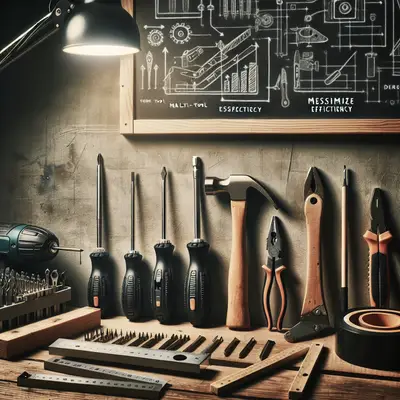
- Assemble a basic hand tool foundation. Aim for:
- 16–20 oz claw hammer
- Assorted screwdrivers (Phillips and flat, or a multi-bit driver)
- Adjustable wrench and/or basic combination wrench set
- Slip-joint pliers and needle-nose pliers
- Tape measure (at least 25 ft), 9–12 in level, and a stud finder
- Utility knife with retractable blade and spare blades
- Assorted nails, wood screws, wall anchors, and picture hangers
- Add a few “problem solver” tools. These aren’t flashy, but they save time and damage:
- Putty knife and small tub of spackle or joint compound
- Caulk gun and paintable caulk
- Voltage tester for any electrical work
- Adjustable locking pliers (Vise-Grip style)
- Pick one primary cordless tool to start. A cordless drill/driver is usually the best first power tool. Make sure it has:
- Variable speed
- 3/8" or 1/2" chuck
- At least one extra battery
- A basic drill and driver bit set
- Keep a small “go bag” for frequent tasks. Use a small tool bag or caddy that holds your most-used items: drill/driver, bits, tape measure, level, pencil, utility knife, multi-bit screwdriver, pliers. This saves constant trips back and forth.
- Avoid duplicates unless they solve a problem. If you already have a good tape measure, you don’t need three more from discount bins. But a second hammer or screwdriver set in another part of the house (like the garage) can be worth it if you’re constantly walking back and forth.
- Test every tool on a scrap piece. Before using a new drill bit, blade, or fastener on your home, try it on scrap wood or cardboard so you can feel how it behaves and adjust speed or pressure.
Step 3: Set Up Tool Storage That Keeps You Moving, Not Hunting
You don’t need a full workshop to stay organized. You do need a system that makes it obvious where things go.
- Pick a “home base” for all tools. This could be a section of a garage wall, a closet, or a corner in the basement. The rule: every tool starts and ends its day there.
- Separate long-term storage from quick-access.
- Long-term: shelves, wall hooks, or a tool chest for larger or rarely used tools (saws, sanders, plumbing tools).
- Quick-access: a small tool bag, tote, or drawer for the tools you grab weekly.
- Use vertical space first. Install a pegboard, wall rail, or simple hooks where you can hang:
- Frequently used hand tools
- Extension cords
- Safety gear (glasses, hearing protection, dust masks/respirator)
- Use clear, labeled bins for small parts. Hardware is useless if you can’t find it. Sort by type:
- Wood screws (by length if possible)
- Drywall anchors and screws
- Machine screws, nuts, and washers
- Electrical: wire nuts, outlet/plate screws, cable staples
- Create a charging station for cordless tools. Mount or place chargers on a small shelf or section of a workbench. Keep:
- One power strip dedicated to chargers
- Batteries docked when not in use (but don’t leave them in a hot car or damp area)
- Keep cleaning gear within reach. A small trash can, shop vac (or basic vacuum), rags, and a broom make cleanup quick—if they’re stored right next to your tools. If cleanup is a hassle, projects tend to “stall” halfway.
- Do a 5-minute reset after each project. Return every tool to its home base, toss obvious trash, and top up small parts you used heavily. These five minutes save you 30 minutes of searching next time.
Label bins clearly so you don’t dump everything into one “mystery” box.
Step 4: Maintain and Store Tools So They Last (and Stay Safe)
Good maintenance keeps your tools accurate, safer, and cheaper over time.
- Wipe down tools after dirty work. After cutting, sanding, or working in dusty areas, wipe tools with a dry or slightly damp rag. Keep metal parts dry to prevent rust, especially on saw blades, drill bits, and pliers.
- Oil moving metal occasionally. A few drops of light machine oil on hinges, plier joints, and adjustable wrenches keeps them smooth and less likely to seize or rust. Wipe off excess so it doesn’t attract dust.
- Keep cutting tools sharp. Dull blades are harder to control and more likely to slip. Replace or sharpen:
- Utility knife blades (replace often; they’re cheap)
- Dull drill bits that smoke or struggle to cut
- Handsaw or pruning saw blades if they bind or tear instead of cut
- Check electrical cords and batteries regularly.
- Replace or repair any tool with a nicked, cracked, or exposed cord.
- Don’t use damaged extension cords.
- Store batteries at moderate temperatures, and keep battery contacts clean and dry.
- Protect tools from moisture. Avoid storing tools directly on concrete floors where they can wick moisture. Use shelves, hooks, or a small platform. In damp basements or garages, consider a desiccant or dehumidifier to reduce rust.
- Store power tools with accessories. Keep drill bits with the drill, saw blades with the saw, sanding discs with the sander. A small labeled case or box that “travels” with the tool prevents last-minute scrambles for the right blade or bit.
- Inspect safety gear as carefully as tools.
- Replace cracked safety glasses, frayed gloves, or damaged hearing protection.
- Make sure dust masks or respirator filters are in good condition and appropriate for what you’re doing (paint, sanding, insulation, etc.).
- Schedule a quick seasonal checkup. Every few months, take 20 minutes to:
- Tighten loose handles or screws on tools
- Toss anything broken beyond easy repair
- Note any tools you’re constantly borrowing or missing—that’s your next purchase list
Step 5: Use Tools Safely and Confidently on Real Projects
A great setup is only useful if you can use it safely and correctly. Build habits that make every project smoother.
- Match the tool to the material. Wood, metal, plastic, masonry, and drywall all demand different bits, blades, or fasteners. Check the packaging:
- Wood screws for studs and lumber
- Masonry bits and anchors for brick or concrete
- Appropriate anchors for drywall if there’s no stud
- Read the quick-start for every new tool. You don’t have to memorize the full manual, but always check:
- Recommended safety gear
- Correct grip and posture
- Any specific “do not use” situations (wet conditions, overhead use, etc.)
- Use “test passes” before committing.
- Mark and drill a pilot hole in scrap before drilling into a visible surface.
- Test your drill speed and bit on leftover trim or scrap wood.
- Practice a cut on a cutoff piece to see how the blade tracks.
- Secure your work, not your body. Use clamps, a workbench, or sawhorses instead of your knee or hand to hold pieces while cutting or drilling. It keeps cuts straight and reduces the chance of slips.
- Work in good light at a comfortable height. A cheap work light or headlamp often matters more than a “better” tool. If you’re hunched or guessing where the line is, mistakes and injuries are more likely.
- Wear the right protection every time.
- Safety glasses whenever things can fly (cutting, drilling, hammering).
- Hearing protection for loud power tools.
- Dust mask or respirator when sanding, cutting drywall, or dealing with insulation.
- Gloves when handling rough lumber or sharp metal—but be cautious around spinning tools where loose material can catch.
- Stop when something feels wrong. If a tool sounds off, smells like burning, or feels like it’s fighting you, stop and figure out why: wrong bit, wrong speed, dull blade, wrong material, or a hidden screw or nail.
- Clean up as part of the project, not afterthought. Put tools back in their homes, coil cords, sweep or vacuum dust, and safely dispose of blades or sharp offcuts. A clean area is safer and makes the next project less of a mental hurdle.
Conclusion
A DIY setup that works isn’t about owning every tool in the aisle—it’s about choosing a focused set of reliable tools, storing them where you can actually find them, and maintaining habits that keep them safe and ready. Start with the tasks your home truly needs, build a compact but capable core kit, and treat your tools like long-term partners, not disposable gadgets. Over time, you’ll spend less energy searching and guessing, and more time actually fixing and improving your space.
Sources
- U.S. Consumer Product Safety Commission – Power Tool Safety Tips - Official guidance on safe selection and use of power tools
- Occupational Safety and Health Administration (OSHA) – Hand and Power Tools - Detailed safety standards and best practices for tool use and maintenance
- Family Handyman – Essential Tools for Homeowners - Practical overview of a core homeowner tool kit and why each tool matters
- This Old House – How to Store Tools - Ideas and strategies for organizing and storing tools efficiently
- Fine Homebuilding – Caring for Tools - Advice on cleaning, maintaining, and extending the life of common tools
Key Takeaway
The most important thing to remember from this article is that this information can change how you think about Tools & Equipment.