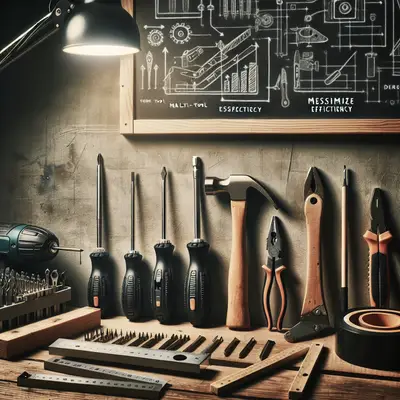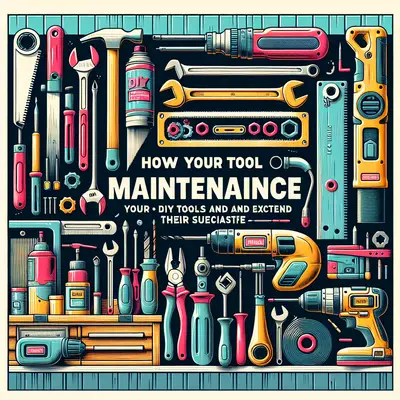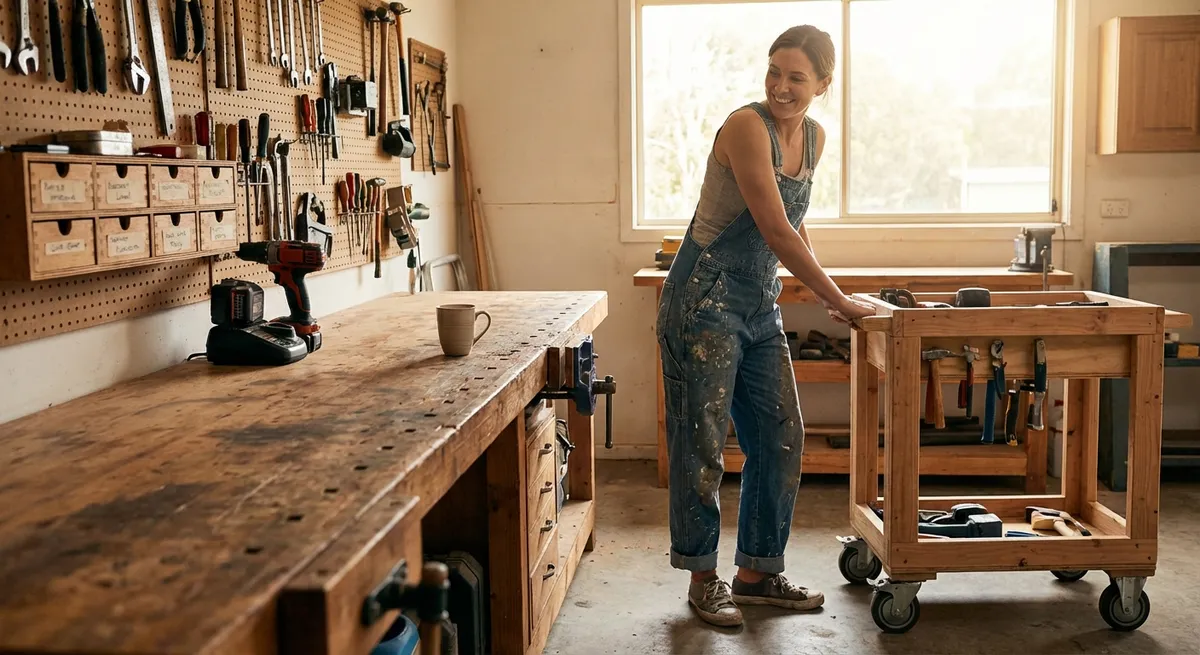
A good tool setup doesn’t need to be fancy or expensive—but it does need to be intentional. The difference between a frustrating project and a smooth one often comes down to whether you can find the right tool, know that it works, and trust it to be safe. This guide walks you through how to build, maintain, and use a reliable set of tools and equipment at home, without wasting money or space.
Start With the Jobs, Not the Tools
Before buying anything, get clear on what you actually need to do in your home. Tools are only “essential” if they match real tasks.
Think about your space: Do you live in a rental, condo, or single-family home? Older homes may mean more plumbing and electrical issues. Newer builds may lean more toward upgrades and customization. Make a simple list of likely tasks in the next year: hanging shelves, fixing a leaky faucet, assembling furniture, replacing light fixtures, touching up paint, or securing loose cabinets.
Once you have that list, group tasks by category—fastening, cutting, measuring, electrical, plumbing, etc. This makes it easier to see patterns and prevents “impulse tool” purchases. If you notice three or more tasks need drilling (curtain rods, shelves, TV mount), a drill becomes a priority. If you rarely see cutting or sanding tasks, you can skip the sander for now. Let real projects, not tool marketing, guide what you bring into your home.
Step 1: Choose a Core Tool Set That Fits Your Home
Instead of buying a giant toolkit you’ll only half use, build a lean core set that covers most common jobs in your type of home.
For a typical apartment or small home, a practical core kit might include:
- Measuring & marking: 25 ft tape measure, pencil, small torpedo level
- Fastening basics:
- Screwdrivers: #2 Phillips, #1 Phillips, and flathead (one small, one medium)
- Adjustable wrench (8" or 10")
- Hex/Allen key set (for furniture and fixtures)
- Cutting & gripping: Utility knife with spare blades, combination pliers, needle-nose pliers
- Power tools (starter level): Cordless drill/driver with a basic bit set and a small kit of masonry/wood/metal drill bits
For houses or larger projects, add:
- Stud finder (for safely mounting shelves and TVs)
- 24" level
- Hacksaw or multi-material saw
- A basic set of SAE and metric combination wrenches
- Extension cord rated for outdoor or high-load use if you’ll use corded tools
As you choose each tool, prioritize:
- Comfort: Tools should feel balanced in your hand, not slippery or awkward.
- Quality where it matters: Spend a bit more on screwdrivers, pliers, and drill bits—they’re used constantly and cheap ones fail fast.
- Compatibility: For cordless tools, pick a reputable brand and stick with one battery platform over time.
Step 2: Set Up a Simple System So Tools Don’t Disappear
Tools are only useful if you can find them quickly. Instead of a complicated workshop layout, create one simple system and commit to it.
Use this three-part approach:
One primary home base
- Choose a single location—closet, garage wall, or utility room. - Store 80–90% of tools here, even if you occasionally use them elsewhere. - Use a sturdy toolbox, stackable bins, or a wall-mounted board with hooks.
Clear categories, not chaos
- Group tools by function: - “Measure & Mark” (tape, level, pencils, stud finder) - “Turn & Fasten” (screwdrivers, bits, wrenches, pliers) - “Cut & Prep” (utility knives, saws, sandpaper) - Label drawers, bins, or even the inside of a toolbox lid so items have a defined home. - Keep small parts (screws, anchors, wire nuts) in divided organizers or clear jars with labels.
A quick end-of-project reset
- After each project, do a 2–3 minute reset: wipe dirt off tools, coil cords, and return everything to its category. - Keep a small trash bin or box near your tool area for packaging, dull blades, and scrap.
This small amount of structure dramatically reduces “where did I put that?” time and keeps you from rebuying tools you already own.
Step 3: Maintain and Inspect Tools Before They Fail
Consistent, basic maintenance prevents mid-project breakdowns and keeps tools safer to use.
Build a habit of quick inspections:
- Hand tools
- Check handles for cracks or looseness. Tighten any fasteners.
- Wipe metal parts with a rag; for rust-prone tools, apply a light coat of oil (like a multipurpose lubricant) and wipe off the excess.
- Replace worn utility knife blades instead of forcing them—dull blades are more likely to slip.
- Power tools
- Inspect cords for cuts, exposed wire, or crushed areas. If the damage is more than superficial, stop using the tool until the cord is repaired or replaced.
- Check vents and fans on tools like drills and sanders; clear out dust with a soft brush or gentle compressed air.
- Make sure guards (on saws, grinders, etc.) move freely and return to position on their own.
- Batteries and chargers
- Keep batteries and chargers dry and away from extreme heat.
- Don’t tape batteries together or store them loose with metal objects (like screws) that can short the terminals.
- If a battery is swollen, leaking, or smells odd, stop using it and follow the manufacturer’s disposal guidance or local hazardous waste rules.
Schedule a brief “tool check” every few months, especially before starting a larger project. It’s far easier to order new blades, bits, or a replacement part on your schedule than to lose a weekend waiting on a last-minute fix.
Step 4: Use Tools Safely With a Few Non-Negotiable Habits
Safe tool use isn’t about being fearful—it’s about staying in control and avoiding avoidable injuries.
Build these habits into every project:
- Wear appropriate protection
- Safety glasses for anything that cuts, drills, sands, or pries.
- Hearing protection for loud tools (saws, sanders, impact drivers).
- Work gloves when handling rough, sharp, or heavy materials—take them off for tasks requiring fine finger control.
- Set up your workspace
- Use stable surfaces: a workbench, sawhorses with a plank, or a solid table. Avoid balancing materials on wobbly furniture.
- Keep the floor clear of cords and scrap to prevent tripping.
- Use good lighting; if you’re squinting, you’re more likely to make mistakes.
- Check before you cut, drill, or fasten
- For walls, use a stud finder and be mindful of possible electrical or plumbing lines. Avoid drilling directly above or below outlets and switches unless you know what’s inside the wall.
- Clamp materials whenever possible instead of trying to hold them with your hand near the blade or bit.
- Understand the tool before use
- Read the quick-start section of the manual—especially for anything that spins, cuts, or gets hot.
- Practice on scrap materials first to get a feel for vibration, kickback, and speed.
- Never defeat or remove safety guards to “make it easier.”
These practices don’t add much time, but they drastically cut the odds of a project ending with a trip to urgent care.
Step 5: Upgrade Tools Slowly Based on Real Projects
Once you’ve used your basic kit for a while, your actual projects should guide what you upgrade next. This keeps your spending focused and your toolbox uncluttered.
Use these questions before buying:
- Did a tool struggle on your last few projects?
- If your drill keeps bogging down when drilling into wood or masonry, it may be worth upgrading to a more powerful model or a hammer drill.
- If hand-sawing is taking too long for frequent cuts, that might justify a circular saw or jigsaw.
- Are you repeating the same kind of job?
- Regular paint projects may justify a better roller frame, extension pole, and a quality angled brush instead of disposable kits.
- Frequent electrical work might justify a non-contact voltage tester, proper wire strippers, and a better multimeter.
- Is the upgrade about convenience or capability?
- Convenience upgrades (magnetic wristband for screws, nicer tool bag) are optional.
- Capability upgrades (a ladder that actually reaches safely, a stud finder that works on thicker walls) directly affect what you can do.
Keep a short note in your phone or notebook labeled “Tool Frustrations.” Whenever a tool slows you down or fails, jot it down. After a few weeks or months, review that list and upgrade the few items that would meaningfully improve your next projects.
Step 6: Store Tools So They Last Through Every Season
How and where you store tools matters almost as much as which tools you buy. Good storage keeps them safe, dry, and ready to use.
Focus on three storage basics:
- Control moisture and temperature
- Avoid storing tools directly on concrete floors; use shelves or pallets to keep them off the ground.
- If your garage or shed is damp, consider using desiccant packs, a small dehumidifier, or rust-inhibiting liners in toolboxes.
- Store power tools and batteries indoors when possible, especially in very hot or very cold climates.
- Protect sharp and delicate parts
- Keep drill bits, saw blades, and cutting edges in cases or sleeves so they’re not banging around loose.
- Label bit cases clearly (wood, metal, masonry) so you use the right bit for the material—this protects both the tool and the work.
- Separate long-term storage from grab-and-go
- Create a small “house kit” that stays packed and ready: tape measure, basic drivers, pliers, utility knife, level, pencil, a few common screws and anchors. Keep this somewhere central in your home.
- Store less commonly used tools (sanders, saws, specialty pliers) in deeper storage but still labeled and grouped.
This balance keeps regular fixes fast and easy while still protecting the rest of your equipment so it’s ready when you need it.
Conclusion
You don’t need a garage full of gear to handle most home projects. What you do need is a deliberate core tool set, a simple way to store and find things, regular inspections, safe habits, and slow, intentional upgrades based on what you actually do—not what looks impressive on a shelf. When your tools are reliable and easy to reach, DIY projects feel less like a chore and more like something you can tackle with confidence.
Sources
- U.S. Consumer Product Safety Commission – Power Tool Safety - Guidance on safe use and common hazards of power tools
- OSHA Hand and Power Tools Safety - Official U.S. workplace standards and safety practices that also apply to home DIY use
- Family Handyman – Essential Tools for the Homeowner - Practical overview of useful household tools and why they matter
- Lowe’s – How to Store and Care for Tools - Tips on tool storage, cleaning, and basic maintenance
- Home Depot – Cordless Drill Buying Guide - Detailed breakdown of drill types, features, and battery platforms
Key Takeaway
The most important thing to remember from this article is that this information can change how you think about Tools & Equipment.