Getting better results from your projects isn’t just about skill—it’s about tools that are set up, maintained, and used the right way. A wobbly level, a dull blade, or the wrong drill bit can ruin an otherwise good job and waste materials fast.
This guide walks you through five practical, step‑by‑step processes to get more accuracy, safety, and durability out of the tools you already own. No fancy workshop required—just a bit of time and a systematic approach.
Step 1: Tune Up Your Tape Measure So Your Cuts Actually Match
A bad measurement throws off everything that follows. Before your next project, confirm that your tape measure is accurate and that you’re using it correctly.
- Check the hook for movement – and why it matters. The metal hook at the end should move slightly (about the thickness of the hook). This compensates for measuring inside vs. outside edges. If it’s bent, loose, or jammed, your measurements will be off by that thickness every time.
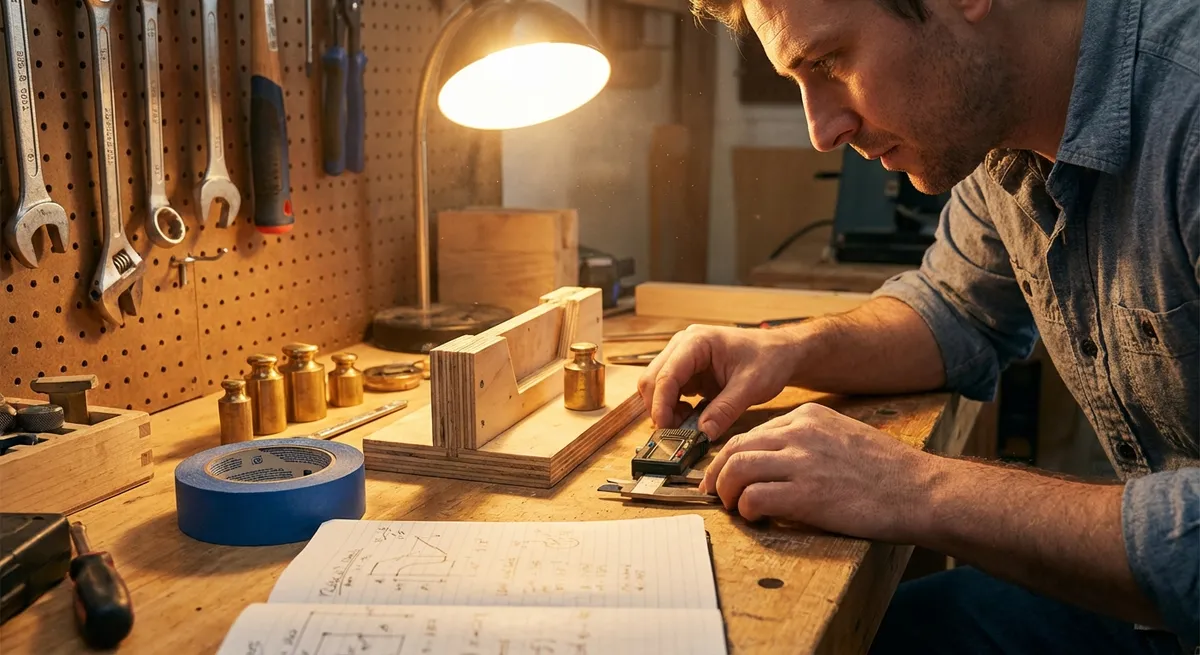
- Verify against a known standard. Use a metal ruler, carpenter’s square, or a marked board you trust. Align the 1" mark on your tape with the 1" mark on the reference and compare several points: 6", 12", 24". If the tape is consistently off, retire it or reserve it for rough work only.
- Inspect the first few inches. This part takes the most abuse and can stretch or kink. If the numbers are worn, bent, or hard to read, you’re more likely to misread under pressure. Replace the tape if the first foot is damaged or unreadable.
- Clean and rewind properly. Wipe dust and debris from the blade with a slightly damp rag, then dry it fully. Lightly spray with a silicone or dry lubricant on a cloth and run the tape through it as you retract—this helps prevent rust and sticking.
- Use a consistent reading method. Always read from the same perspective (eye over the mark, not at an angle) and avoid “rounding for convenience.” If you measure 23 ⅝", don’t “call it 24” because it’s easier to remember. Write it down or mark it immediately.
Practical tip: Dedicate one “master” tape measure you trust and use it for all critical measurements on a project. Mixing multiple tapes with tiny differences can cause misaligned joints and gaps.
Step 2: Sharpen and Set Up Cutting Tools for Cleaner, Safer Work
Dull cutting tools—whether hand saws, utility knives, or chisels—force you to push harder, slip more, and leave rough edges. A few simple habits keep your cuts cleaner and your hands safer.
- Start by cleaning the blades. Before sharpening, remove pitch, resin, or dust buildup using a blade cleaner or mineral spirits on a rag (avoid soaking plastic handles). This lets abrasives contact the metal properly and gives you a more accurate sense of blade condition.
- Sharpen utility and snap‑off blades the smart way. For standard utility knives, blades are cheap—replace at the first sign of tearing instead of cutting. For snap‑off knives, snap to a fresh segment when you feel extra resistance or see jagged cuts, especially in drywall or cardboard.
- Use a basic sharpening setup for chisels and plane irons. Clamp the tool in a honing guide (or hold firmly), set the bevel on a sharpening stone (coarse → medium → fine), and move consistently in one direction. Maintain the existing angle rather than guessing at a new one. Finish by lightly polishing the back (flat side) on a fine stone or sandpaper taped to glass.
- Dress handsaws only if it’s worth it. Many modern handsaws are impulse-hardened and not designed to be resharpened—if the teeth are blackened or extra-hard, replacement is usually more practical. Older traditional saws can be filed and set, but that’s a separate skill. For most DIYers, focus on keeping saws clean, dry, and stored with a blade guard.
- Store blades to avoid hidden damage. Don’t toss saws and chisels in a loose toolbox where edges bang together. Use blade guards, cardboard sleeves, or a simple wood block with slots. For circular saw and jigsaw blades, hang them on hooks or store flat to avoid warping teeth.
Practical tip: If you feel like you’re “forcing” a cut, stop. Either the blade is dull, clogged, or you’re using the wrong type of blade for the material.
Step 3: Match Drill Bits, Anchors, and Screws So Things Actually Stay Put
Many DIY failures—wobbly shelves, loose TV brackets, anchors that pull out—come from mismatched bits, anchors, and screws. A little planning before you drill makes your installations far more reliable.
- Identify your wall type first. Use a small test hole in an inconspicuous area if you’re not sure:
- Fine powder → drywall
- Sandy, gritty dust → masonry or brick
- Wood shavings → wood or paneling
This matters because anchor types and drill bits must match the material.
- Choose the right drill bit for the job.
- Wood: Brad-point or standard twist bits
- Metal: High-speed steel (HSS) or cobalt bits, slower speed
- Masonry: Carbide-tipped masonry bits, hammer drill if available
Match the bit type and size to what the anchor or screw packaging recommends.
- Size the hole to the anchor, not the screw. For plastic or nylon wall anchors, the drill size is usually printed on the package. Use that size, drill straight, and avoid “wiggling” the bit which makes the hole oversized and weak. For concrete anchors, follow the manufacturer’s specification exactly.
- Use pilot holes for cleaner results in wood. When driving screws into solid wood or near edges, drill a pilot hole slightly smaller than the screw’s shank. Then, if needed, use a countersink bit so the head sits flush. This reduces splitting and makes driving screws easier and straighter.
- Test the installation before trusting it. After installing anchors and screws, apply a firm pull or push in the direction of expected load. If there’s movement, reassess: the hole may be too large, the wall material may be crumbly, or you may need a different anchor (like a toggle bolt or structural screw into a stud).
Practical tip: Keep a small “wall testing kit” handy—one masonry bit, one wood bit, a couple of common anchors, and a stud finder. Testing the wall properly takes less time than repairing a pulled‑out mount.
Step 4: Set Up a Safe, Stable Work Area Before You Plug Anything In
Accidents often happen not because of the tool itself, but because of a poor work area: bad lighting, unstable support, or tripping hazards. Treat your workspace like a critical “tool” to set up deliberately.
- Start with solid support for your workpiece. Use sawhorses, a workbench, or even a sturdy table rather than the floor or your lap. Secure boards with clamps or a vise instead of holding them by hand, especially when cutting, sanding, or drilling.
- Improve lighting exactly where you’re working. Overhead room lighting is rarely enough. Use a clamp light, headlamp, or work light aimed at the cut or fastener area. Shadows hide cut lines and fastener heads—and that’s when tools slip.
- Clear and manage cords and hoses. Run extension cords and air hoses along walls or behind you, never across your walking path or where you’re moving tools. Coil extra length neatly instead of letting it snake across the floor. For battery tools, keep chargers off the work surface to avoid clutter.
- Organize frequently used tools within arm’s reach. Layout the handful of tools you’ll use for this specific step (not the whole project) on a tray, cart, or bench top. Put sharp-edged tools with blades facing away and heavy tools towards the back so they don’t fall off.
- Establish a “no distraction” rule when tools are running. Silence your phone, pause music if it masks tool noise, and avoid conversations while cutting or drilling. Tool noise can hide warning sounds (binding, rattling) that tell you something’s wrong.
Practical tip: Do a 30‑second safety scan before each new operation: “Is my workpiece secure? Is my footing solid? Are my cords clear? Is my lighting good?” Making this a habit will prevent a surprising number of near‑misses.
Step 5: Create a Simple Maintenance Routine So Tools Last Longer
You don’t need a complicated shop setup to keep tools in good condition. A short, repeatable routine after each project extends tool life and makes future work easier.
- Do a quick post‑project inspection. As you put tools away, check for cracks in handles, missing screws, bent parts, or frayed cords. Separate anything questionable into a small “repair” bin instead of returning it to regular use.
- Wipe down dust and debris. Use a brush or vacuum to remove sawdust and grit, especially around vents, switches, and moving parts. Follow with a dry cloth. For tools that contact metal (pliers, wrenches, clamps), lightly wipe with an oily rag to prevent rust.
- Treat cords and batteries with care.
- Never wrap cords tightly around tools—loop them loosely to prevent internal wire breakage.
- Store batteries at moderate temperature and partial charge (around 40–60%) if not used for a while.
- Keep battery contacts clean and dry; wipe gently if they get dusty.
- Store by type and frequency of use. Put frequently used hand tools (tape measure, screwdriver, utility knife, pliers) in an easy‑access caddy or drawer. Reserve deeper shelves or higher spots for rarely used specialty tools. Grouping by type makes it easier to see what’s missing after a job.
- Track consumables before they run out. Keep a small notepad or a phone list for expendables: blades, sandpaper, drill bits, screws. After each project, note anything that’s low or broken. Restocking in one planned trip beats stopping mid‑project because you’re missing a 2" screw or a fresh blade.
Practical tip: Think of your tool collection like a car: small, regular maintenance prevents big, expensive failures. A 10‑minute cleanup after projects saves hours of frustration later.
Conclusion
Well‑setup tools don’t just make your projects look better—they make your work safer, faster, and far less frustrating. By tuning your measuring gear, sharpening cutting tools, matching bits and anchors properly, setting up a safe workspace, and following a simple maintenance routine, you turn the tools you already own into a more reliable, professional‑feeling setup.
You don’t need more tools to improve your results. You need tools that are prepared, cared for, and used with intention.
Sources
- U.S. Consumer Product Safety Commission – Power Tool Safety Tips - Official guidance on safe setup and use of common power tools
- Occupational Safety and Health Administration (OSHA) – Hand and Power Tools - Detailed information on proper tool use, maintenance, and workplace setup
- Fine Woodworking – Guide to Sharpening Edge Tools - Practical sharpening techniques for chisels and other edge tools
- Family Handyman – How to Use Wall Anchors - Clear explanations for matching drill bits, anchors, and screws in different wall types
- Energy.gov – Proper Use of Power Strips and Extension Cords - Safety recommendations for managing cords in home and workshop environments
Key Takeaway
The most important thing to remember from this article is that this information can change how you think about Tools & Equipment.