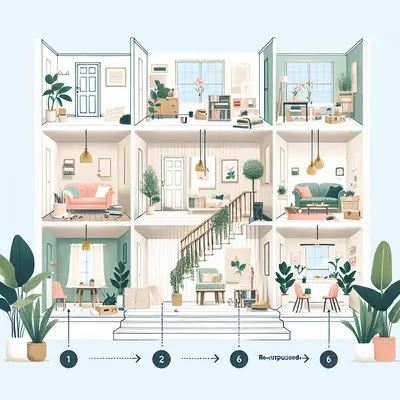
Renovation doesn’t have to start with demolition and dust everywhere. The smartest projects begin at your desk, not with a sledgehammer. This guide walks you through a practical, step‑by‑step approach so you can start improving your home with clarity, control, and fewer expensive surprises.
Instead of trying to redo your whole house at once, you’ll focus on one space, build a clear plan, and move through five simple, repeatable steps that any DIY‑minded homeowner can follow.
Step 1: Choose One Space and Define the Real Problem
Before you touch a wall, pick a single room or area and decide exactly what’s wrong with it.
Skip vague goals like “make it nicer” and get specific:
- Is this room hard to use (bad layout, no storage)?
- Is it uncomfortable (too dark, too cold, echoey)?
- Is something worn out or failing (peeling paint, loose tiles, drafty windows)?
Walk the space and write down what actually bothers you during a normal day, not just what looks bad in photos. For example:
- “No outlets near the sofa” instead of “living room feels old”
- “Nowhere to store cleaning supplies” instead of “laundry room is ugly”
- “Water collects near back door when it rains” instead of “back entry looks dated”
Then, split your notes into:
- Function fixes (storage, lighting, traffic flow, safety)
- Cosmetic fixes (paint, hardware, decor, trim)
Decide your priority: function, looks, or both. This choice will shape every decision you make next and keep you from overspending on things that don’t solve your real problem.
Step 2: Capture the Space With Measurements, Photos, and a Simple Sketch
You can’t plan a renovation you only “sort of” understand. Even basic upgrades go faster when you know the exact size of everything.
Here’s how to document the space like a pro without fancy software:
Measure the room
- Measure wall to wall in inches or centimeters. - Note ceiling height. - Measure doors and windows (width, height, and distance from corners).
Record key details
- Where are the outlets, switches, vents, radiators, plumbing lines? - Are there awkward corners, soffits, beams, or sloped ceilings? - Are there signs of damage (water stains, cracks, soft spots in floor)?
Take wide and close-up photos
- Stand in each corner and take photos across the room. - Take close-ups of problem areas: cracked grout, gaps around windows, warped trim. - Snap pictures of labels (breaker panel, fixtures, paint cans if you have old ones).
Create a basic floor sketch
- On paper, draw the room shape as a box. - Add doors, windows, and major items (tub, vanity, appliances, built-in cabinets). - Label rough measurements. Don’t worry about perfection; clarity beats accuracy here.
Keep this packet (notes, photos, sketch) together. You’ll use it when:
- Comparing products online
- Asking for advice at a hardware store
- Getting estimates from electricians, plumbers, or other pros
This small bit of prep prevents wrong‑size purchases, returns, and “I didn’t think of that” moments.
Step 3: Build a Realistic Budget and Timeline Around Your Life
Even a simple DIY renovation can get stressful if it hijacks your whole week or empties your savings. You’re aiming for controlled progress, not TV‑show speed.
Start with these questions:
- How much money can I spend without touching emergency savings?
- How many hours per week can I consistently dedicate (2, 4, 8?)
- Do I have a backup plan if a key space is offline? (e.g., one bathroom, one kitchen)
Then structure your budget and timeline:
Budget planning:
- List all major pieces: materials, tools you don’t own, disposal (dump runs, bags), and professional help where needed (electric, plumbing, structural).
- Add a 15–20% buffer for surprises and small extras (extra screws, caulk, sandpaper, paint rollers).
- Decide what you’re willing to delay if costs rise (fancier fixtures, top-tier tile, custom shelving).
Timeline planning:
- Break the project into phases:
1) Prep and protection
2) Demolition or removal
3) Build/repair
4) Finishing (paint, trim, caulk)
5) Cleanup and touch‑ups
- Assign weekends or evenings to each phase instead of guessing total days.
- Schedule any pro work first (like electrician visits) and build your DIY tasks around those dates.
Be honest: if you only have two hours each Sunday, pick a project that fits that pace. You’ll feel much better completing a small scope than living in a half‑finished room for months.
Step 4: Plan the Work Sequence Before You Buy Anything
Most frustration comes from doing steps out of order: painting before fixing walls, installing trim before leveling floors, or choosing decor before dealing with lighting.
Use this general sequence and adjust it to your room:
Safety and code‑related tasks first
- Address obvious hazards: loose railings, exposed wires, wobbly steps, slick floors. - If in doubt about electrical or structural work, plan to call a licensed pro. - Check local building requirements for permits before moving plumbing, walls, or wiring.
Hidden and “behind the wall” work
- Insulation, wiring, plumbing, blocking (wood inside walls to support future shelves/grab bars). - It’s cheaper and easier to do this now than after cosmetic upgrades.
Surfaces and structure
- Subfloor repairs, patching drywall, fixing cracks, leveling uneven areas. - Replace rotten or damaged materials instead of covering them up.
Major fixtures and built‑ins
- Install or move cabinets, vanities, shelving, doors, or windows. - Make sure everything is plumb (vertical) and level before moving on.
Finishes and details
- Flooring and baseboards. - Paint and caulk. - Hardware (knobs, pulls, hooks), lighting fixtures, mirrors, outlet covers.
For every step, write a short, clear task you can actually complete, such as:
- “Patch three drywall holes and sand them smooth.”
- “Replace two old outlets with tamper‑resistant ones (with power off).”
- “Install one new LED ceiling fixture.”
This keeps you from jumping randomly between tasks and lets you share a clear plan if you bring in help.
Step 5: Execute One Contained Project at a Time
Now you’re ready to actually change the space. Instead of trying to renovate the whole room at once, execute a contained mini‑project inside your plan. That’s how you build momentum and avoid burnout.
Here are example mini‑projects DIY enthusiasts find manageable and satisfying:
Mini‑Project A: Upgrade Lighting for a More Usable Room
- Replace old bulbs with LED bulbs (choose warm white for living spaces, neutral/cool white for task areas).
- Add plug‑in lamps or under‑cabinet lights where fixed wiring isn’t practical.
- Install dimmers (where code and fixture compatibility allow) to control brightness.
Tips:
- Always turn power off at the breaker and test the circuit before touching wiring.
- Use fixtures rated for damp locations in bathrooms and over sinks.
- Focus first on where you need light (work surfaces, reading spots, entryways), not just where boxes already exist.
Mini‑Project B: Improve Storage Without Rebuilding Walls
- Add wall‑mounted shelves to unused vertical areas.
- Install hooks or pegboards in entries, laundry rooms, or garages.
- Use stackable storage bins with clear labels and consistent sizes.
Tips:
- Use appropriate anchors for your wall type (drywall vs. plaster vs. masonry).
- Avoid overloading shelves; check manufacturer weight ratings.
- Keep frequently used items at chest height; heavy or rarely used items lower.
Mini‑Project C: Tighten Up Drafts and Comfort Issues
- Install weatherstripping on doors and apply caulk to gaps around window frames.
- Add door sweeps where you can see light under exterior doors.
- Seal obvious gaps around pipes and cables that go through exterior walls.
Tips:
- Do this work on a breezy day so drafts are easier to feel.
- Use exterior‑grade caulk outside and paintable interior caulk indoors.
- Focus on comfort first; lower energy bills are a bonus.
Mini‑Project D: Refresh Surfaces the Right Way
- Clean walls and trim with a degreaser before painting.
- Lightly sand glossy surfaces and repair holes or cracks with filler.
- Use primer on stained, patched, or glossy areas before applying color.
Tips:
- Don’t skip prep; it’s the difference between paint that peels and paint that lasts.
- Work from top (ceiling) to bottom (baseboards) to avoid drips on finished areas.
- Protect floors and furniture with drop cloths; it saves you cleanup time later.
Mini‑Project E: Finish With Function‑First Details
- Add hooks where you currently drop coats or bags.
- Install a small shelf by the door for keys and mail.
- Swap old, loose hardware for sturdy, comfortable pieces you actually like to touch.
Tips:
- Keep screw styles consistent for easier future repairs.
- Test hook and shelf placements with painter’s tape before drilling.
- Choose hardware that suits your hand size; comfort matters more than trend.
Move through these mini‑projects in the order that supports your overall plan (e.g., seal drafts before painting near windows, install shelves after walls are finished). Each completed chunk makes the room more livable right away, even if the full renovation isn’t finished yet.
Conclusion
A successful renovation isn’t about doing everything at once; it’s about making steady, well‑planned moves that fit your time, budget, and skill level. By narrowing your focus to one space, documenting it clearly, building a realistic budget and schedule, sequencing your tasks, and executing contained mini‑projects, you turn renovation from an overwhelming idea into specific actions you can actually finish.
This approach scales: once you’ve done it in one room, you can repeat the same five‑step process throughout your home—more confidence, less chaos, and real improvements you can see and feel.
Sources
- U.S. Department of Energy – Weatherization and Air Sealing - Practical guidance on sealing drafts and improving home comfort and efficiency
- Consumer Product Safety Commission – Electrical Safety Checklist - Official safety recommendations for working around home electrical systems
- U.S. Department of Housing and Urban Development – Rehab a Home Guide - Federal resource outlining considerations for planning and budgeting home rehabilitation projects
- Energy Star – Residential Lighting Basics - Information on choosing efficient, appropriate lighting for different spaces in your home
- The Family Handyman – How to Measure a Room - Step-by-step advice on measuring and sketching rooms accurately for planning renovations
Key Takeaway
The most important thing to remember from this article is that this information can change how you think about Renovation.