Renovation doesn’t have to be chaotic, expensive, or confusing. With a clear plan and a realistic scope, you can take a room from “unfinished project” to “done and dusted” without burning out or blowing your budget. This roadmap walks you through the core steps of renovating in a logical order so you don’t waste time redoing work or making messy, avoidable mistakes.
Use this as a blueprint you can adapt to almost any room—kitchen, bedroom, basement, or entryway. The goal isn’t perfection; it’s progress you can actually complete, safely and confidently.
1. Define The Scope And Non‑Negotiables
Before touching a tool, write down exactly what you want to change and what must stay. Start by walking the space and listing everything that bugs you: damaged walls, bad lighting, poor layout, old flooring, lack of storage. Then separate that list into three columns: “Must Do,” “Nice To Have,” and “Later.” This helps you focus your time and money on the right things instead of chasing every idea you see online.
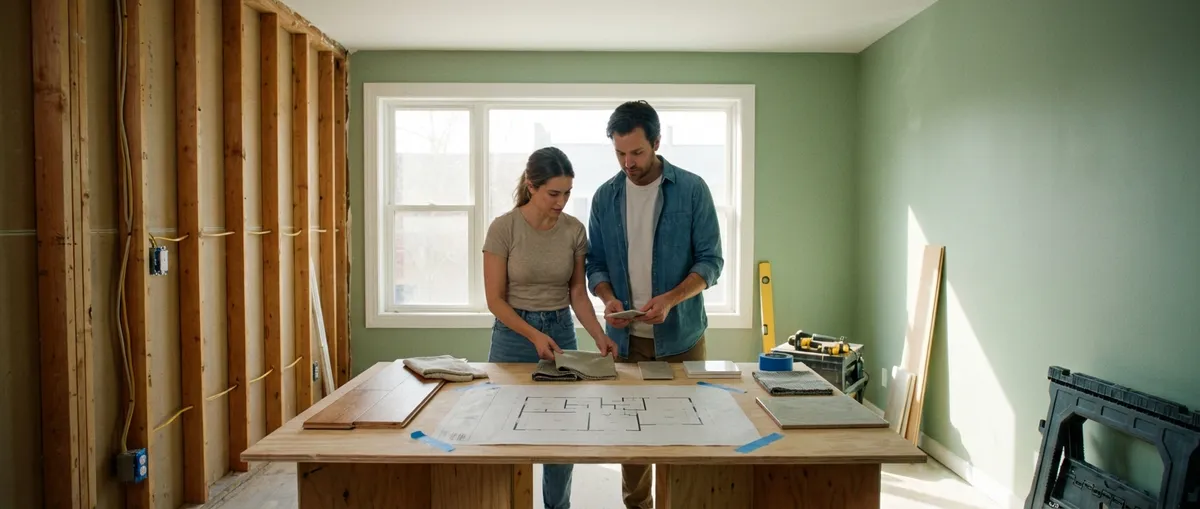
Measure the room and sketch a simple floor plan, noting window and door locations, outlets, vents, and any weird corners or sloped ceilings. Decide whether you’re moving anything structural (walls, windows, major plumbing) or just updating finishes. Structural changes are more complex, usually require permits, and may be better left to pros; cosmetic upgrades are typically DIY‑friendly. Finally, set a maximum budget and a target finish date that fits your real life—not a fantasy weekend where nothing else is happening.
2. Plan Your Sequence And Prep The Space
The order you do tasks in renovation will either save you time or create a lot of rework. A good basic sequence is: demo → rough fixes (framing, electrical, plumbing) → insulation (if needed) → drywall/patching → priming and painting → flooring → trim and fixtures → final touch‑ups. Write your sequence down and keep it visible in the space so you’re not guessing what comes next.
Before you start demo, protect anything that’s staying. Cover floors with rosin paper or drop cloths, tape off doorways to reduce dust spreading through the house, and remove furniture or push it to the center and cover it. Turn off power at the breaker before working near outlets or fixtures, and shut off water if you’re opening any plumbing. Have heavy‑duty trash bags or a debris bin ready so waste doesn’t pile up. The more thorough your prep, the easier (and safer) every single step afterward becomes.
3. Demo With Intention (Not Destruction)
Demolition isn’t about smashing everything in sight; it’s about removing what needs to go without damaging what needs to stay. Start from the top and work down: ceiling elements, then walls, then flooring. If you’re taking out trim, score the caulk line with a utility knife before prying it off so you don’t tear the drywall paper. For wall removal, cut small inspection holes first to check for wires, pipes, or ducts before opening anything up.
Keep a pry bar, hammer, utility knife, and a reciprocating saw (if you have one) within reach. Remove screws and nails as you uncover them instead of leaving them sticking out—those are trip and scratch hazards later. Sort reusable materials like doors, hardware, and solid wood boards instead of automatically trashing them; you may be able to reinstall or repurpose them in the same project. End each demo day by sweeping, vacuuming, and bagging debris so you start the next step with a clean workspace.
4. Tackle Repairs And “Behind‑The‑Wall” Upgrades
Once the old finishes are out of the way, fix the underlying issues before you make anything look pretty again. Check for water stains, soft spots in subfloors, cracks around windows, or signs of pests. Address leaks and moisture first—painting over them just hides a problem that will come back. Tighten any loose framing connections, add blocking between studs where you’ll need to mount heavy items, and repair or replace damaged subfloor panels.
If you’re comfortable with basic electrical, now is when you add or move outlets, switches, or light fixtures (and follow local codes). Same with simple plumbing tasks like shifting a vanity supply line a few inches. If a task feels beyond your skill level, bring in a licensed pro to handle that specific part and then continue with your DIY work afterward. Once all the hidden systems are corrected, insulate any open cavities if needed, then close everything back up with drywall or patches. Sand seams smooth and run your hand over surfaces; any bump you can feel now will be more obvious once painted.
5. Finish Surfaces, Install Fixtures, And Dial In The Details
With the structure and repairs done, you can focus on the finishes that make the space feel complete. Start with primer on new drywall or patched areas to seal the surface and give paint something to grip. Cut in along ceilings, corners, and trim with a brush, then roll the larger areas for a consistent finish. Two thin coats of paint will usually look better and last longer than one heavy coat that drips and sags.
After paint, move to floors and trim. Install or refinish flooring according to manufacturer instructions, keeping expansion gaps where needed. Then add baseboards, casing, and any extra trim; caulk the joints where trim meets the wall for a clean, professional look. Finally, install light fixtures, hardware, outlet covers, shelving, and storage elements. Wrap up with a detail pass: fill nail holes, touch up scuffs, clean windows, and deep‑clean the floor. Take clear before‑and‑after photos from the same angles—those are perfect for sharing your progress, and they’ll remind you how far the space has come.
Conclusion
Renovation often looks overwhelming because you see “everything” at once. When you break it down into a defined scope, a smart sequence, careful demo, solid repairs, and thoughtful finishes, it becomes a series of manageable steps instead of a mystery. Use this roadmap as your starting point, adapt it to your space, and keep your focus on steady progress—not instant perfection.
Key Takeaway
The most important thing to remember from this article is that this information can change how you think about Renovation.