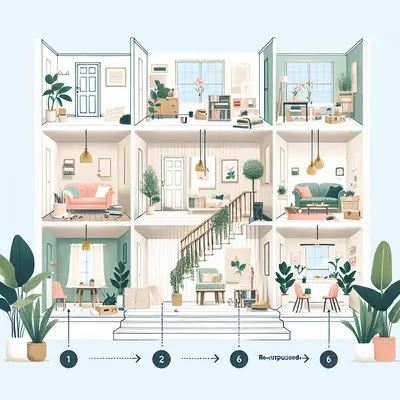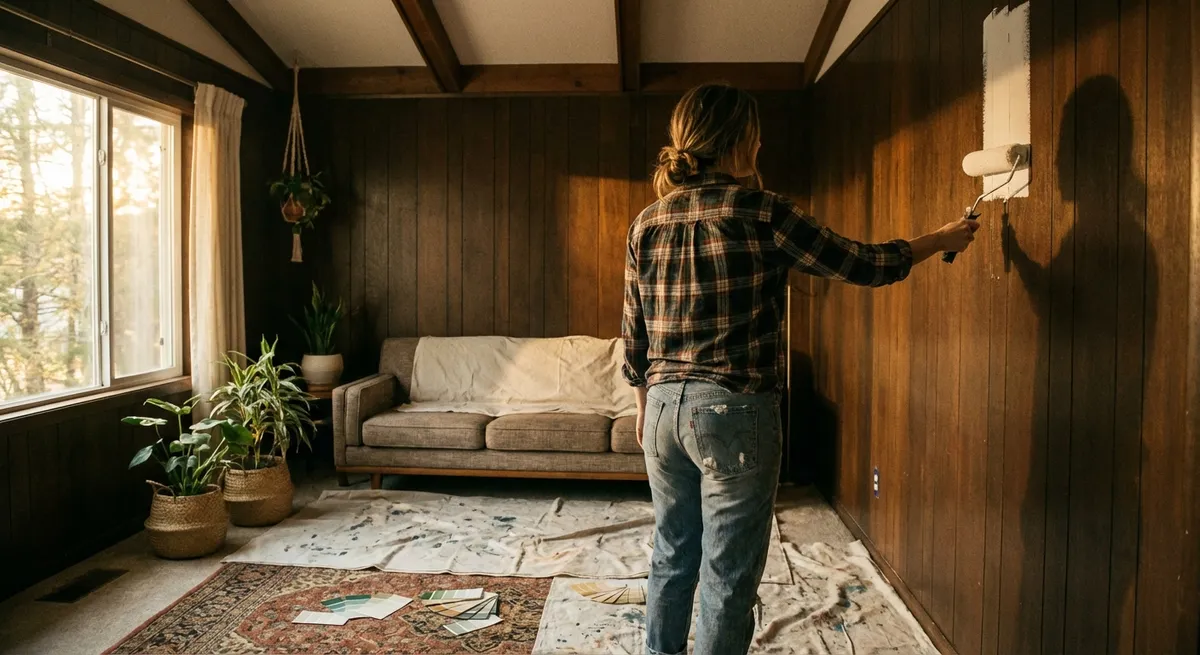
A tired, dark living room makes the whole house feel older than it is. The good news: you don’t need a full gut renovation or a designer budget to modernize the space. With smart planning, a few tools, and focused weekend projects, you can transform your living room into a brighter, more functional space that actually feels good to spend time in.
This guide walks through five practical, DIY-friendly steps that build on each other. You can do them in order or one at a time as budget and energy allow.
Plan the New Layout and Light Before You Touch a Wall
Before you start painting or buying furniture, map out how you want the room to work and where the light should go. A clear plan saves money and prevents “why did I put that there?” regret later.
First, decide the room’s main purpose: TV zone, conversation space, reading area, or a mix. That determines where seating, outlets, and lighting should focus. Sketch the room on paper or use a free room planner app with rough measurements of walls, windows, and doors. Mark high-traffic paths (to the kitchen, hallway, or patio) and keep those at least 3 feet (about 1 meter) clear.
Next, evaluate natural light. Note which parts of the room are darkest during the time you use it most. Plan at least three types of lighting: overhead (general), task (reading, work), and accent (wall washers, picture lights, table lamps). Even if you can’t add new wiring yet, you can plan plug-in fixtures, floor lamps, and smart bulbs to create layers of light.
Finally, set a realistic budget and timeline. Prioritize changes that give the biggest visual payoff per dollar: paint, lighting, and window treatments usually beat new furniture. Make a simple list of tasks and materials for each step so you can batch purchases and avoid constant trips to the store.
Step 1: Brighten the Room With Paint and Simple Wall Prep
Fresh paint is the fastest, cheapest way to modernize a dated living room—but the prep work matters as much as the color you choose.
- Choose the right color and sheen. For a brighter feel, look at warm off-whites, light greiges, or soft, desaturated colors. Avoid stark, cold whites in rooms with little natural light; they can look gray and flat. Use eggshell or matte on walls to hide minor imperfections, and semi-gloss for trim so it wipes clean easily.
- Prep the walls properly. Remove outlet covers, vent grilles, and any hooks or nails you don’t need. Fill holes and small cracks with lightweight spackle, let dry, then sand lightly with fine (180–220 grit) sandpaper. Wipe walls with a damp microfiber cloth to remove dust and grease, especially near switches and vents.
- Protect floors and trim. Lay down a drop cloth (canvas is safer than plastic—less slippery). Use painter’s tape along baseboards, window trim, and door casings, pressing the edge firmly with a putty knife for a clean line.
- Prime where needed. If you’re covering dark colors, glossy paint, stains, or patched areas, apply a bonding or stain-blocking primer first. This improves coverage and prevents old colors or marks from bleeding through your new paint.
- Paint in the right order. Start with the ceiling, then walls, then trim. Cut in with a brush along edges and corners, then roll the larger areas with a 3/8"–1/2" nap roller depending on wall texture. Work in small sections and maintain a wet edge to avoid lap marks. Let the first coat dry fully before deciding if you need a second.
Practical tip: Test a few sample colors on multiple walls and check them at different times of day. What looks warm at noon can feel dingy at night under artificial light.
Step 2: Upgrade Lighting Without Rewiring the Whole Room
Old, dim, or yellowed fixtures instantly date a space. You can dramatically change the mood of your living room with basic electrical swaps and clever plug-in solutions, without opening up ceilings or walls.
- Start by upgrading bulbs. Replace old incandescent or mismatched bulbs with LEDs of consistent color temperature. For most living rooms, a warm white (2700K–3000K) is comfortable and modern. Aim for 800–1100 lumens per bulb for main fixtures and choose bulbs with a high CRI (90+ if available) for better color accuracy.
- Replace an outdated ceiling fixture. Turn off power at the breaker panel, then confirm the circuit is dead with a non-contact voltage tester. Remove the old light, noting how it was wired. Connect the new fixture: black (hot) to black, white (neutral) to white, and green or bare (ground) to the grounding screw or wire. Secure all connections with wire nuts, mount the fixture bracket, attach the fixture body, and re-install the cover.
- Add plug-in sconces or track lighting. If hardwiring isn’t in your comfort zone, use plug-in wall sconces or plug-in track lights that mount to the wall but plug into a standard outlet. Use cord covers painted to match the wall for a cleaner look. Position sconces about 60"–66" from the floor, depending on ceiling height and eye level when seated.
- Layer in task and accent lighting. Place floor lamps next to sofas and chairs, and table lamps on side tables or consoles. Add LED strip or puck lights inside bookcases or under floating shelves for subtle accent lighting that makes the room feel more intentional.
- Control it all simply. Use smart plugs, dimmable bulbs, or a plug-in dimmer to create scenes (movie night, reading, entertaining) without installing new switches. Group multiple lamps to one remote or app for quick on/off control.
Safety reminder: If you’re ever unsure about wiring colors, box condition, or fixture support, pause and consult a licensed electrician rather than guessing.
Step 3: Refresh Floors With DIY-Friendly Updates
Floors take up a huge amount of visual space. Even if you can’t replace them yet, there’s a lot you can do to make them look cleaner, more modern, and more cohesive with the rest of your renovation.
- Deep clean what you have. Vacuum and mop thoroughly. For hardwood, use a wood-safe cleaner—not steam or soaking water. For laminate or vinyl, stick to manufacturer-approved products. For carpet, consider renting a carpet cleaner or hiring a one-time deep-clean service before you make other changes.
- Repair minor damage. Use wood filler or colored putty to disguise small chips and gaps in hardwood or laminate. For squeaky subfloors accessible from below, add screws through the subfloor into joists. If you can only access from above, special squeak repair kits with breakaway screws can help secure loose areas through carpet or wood.
- Use area rugs strategically. Rugs can hide worn flooring and define zones in an open living room. Aim for a rug large enough that at least the front legs of sofas and chairs sit on it. Avoid rugs that float in the middle of the room with furniture nowhere near them.
- Consider peel-and-stick or floating options. If your existing floor is level and in okay shape, you may be able to add a floating laminate or click-together vinyl plank on top (check local building codes and manufacturer guidelines). For a lower-commitment update, peel-and-stick vinyl tiles or planks can modernize an old floor, especially in small or awkward areas.
- Finish with transitions and baseboards. If you change floor thickness, install proper transition strips between rooms to prevent tripping. Caulk and repaint baseboards for a crisp border that makes the whole room feel more finished, even if the flooring itself is older.
Budget tip: If full-floor replacement isn’t realistic yet, invest in a quality rug and proper cleaning first; it often stretches the life of your existing floor by several years.
Step 4: Modernize Built-Ins, Shelves, and the TV Wall
Old built-ins, dated mantels, or cluttered TV walls can make a room feel chaotic and cramped. With paint, hardware, and some basic carpentry, you can turn that wall into a clean focal point.
- Edit first, then design. Empty shelves and cabinets completely. Only keep items that are either useful (media devices, storage) or genuinely meaningful. Group decor into categories: books, framed art/photos, plants, objects.
- Update finishes and hardware. Sand glossy built-in surfaces lightly, then prime and paint them a contrasting or complementary color to the walls (e.g., soft white walls with a muted charcoal or rich navy built-in). Swap dated knobs and pulls for simple, modern hardware in a consistent finish with your lighting (black, brushed nickel, or brass).
- Frame the TV intentionally. Mount the TV at eye level when seated (usually center about 42"–48" off the floor, depending on furniture). Use a low-profile mount and hide cords with an in-wall rated cord kit or surface-mount raceway. Anchor a simple console or floating media shelf below for devices and storage.
- Style shelves with breathing room. Arrange books vertically and horizontally, mix in a few framed photos or small art pieces, add plants for life, and leave some empty space so the eye can rest. Use closed storage (doors, baskets, boxes) on lower shelves to hide cables, remotes, and small devices.
- Consider adding simple trim details. If the TV wall is bare, you can install DIY-friendly trim like picture-frame molding or a vertical slat wall behind the TV for architectural interest. Use a level, brad nailer (or construction adhesive plus nails), wood filler, and caulk to finish. Paint everything in a single color for a custom built-in effect on a budget.
Pro tip: Keep decorative items in a limited color palette (3–4 main colors) so the wall looks cohesive, not cluttered.
Step 5: Improve Comfort With Simple Insulation and Sound Control
A living room can look great and still feel uncomfortable if it’s drafty, echoey, or noisy from outside. Some basic insulation and sound-control upgrades make the space more inviting and energy-efficient.
- Seal obvious drafts. On a cool or windy day, feel around window and door frames for air leaks. Use paintable caulk to seal gaps between trim and walls, and weatherstripping around doors. For old, drafty outlets and switches on exterior walls, install foam gaskets behind the cover plates.
- Upgrade window treatments for insulation. Swap thin, purely decorative curtains for lined or thermal curtains that close fully at night. Mount curtain rods a few inches above and wider than the window to cover gaps. Layer blinds or shades with curtains to block both light and drafts.
- Soften sound with textiles. Hard surfaces bounce sound, creating echo and harshness. Add an area rug with a thick pad, fabric-upholstered seating, and soft furnishings like throw pillows and blankets. Heavy curtains also help dampen street noise.
- Add basic acoustic treatments if needed. For rooms with very high ceilings or lots of glass, consider fabric-wrapped acoustic panels or DIY panels using rigid insulation and fabric. Place them on large, bare walls opposite each other or on the ceiling in listening or TV areas.
- Check heating and cooling flow. Make sure supply vents and returns aren’t blocked by furniture. Vacuum dust from vent grilles. If one part of the room is always hotter or colder, a simple fan or register deflector can help improve airflow until you can address ductwork or system balancing.
Comfort tip: After sealing and softening the room, you may be able to keep the thermostat a degree or two lower in winter or higher in summer while feeling just as comfortable.
Conclusion
Renovating a dated living room doesn’t have to mean demolition, permits, or a five-figure budget. By focusing on paint, lighting, floors, built-ins, and comfort upgrades, you can dramatically change how the room looks and feels with projects that fit into weekends and evenings.
Tackle one step at a time, starting with the changes that bother you most. Take photos before, during, and after—both to track your progress and to share your results. The more you work through these projects, the more confident you’ll become handling the next renovation on your Fix Ready list.
Sources
- U.S. Department of Energy – Energy Saver: Lighting Choices to Save You Money – Explains bulb types, color temperature, and energy-efficient lighting basics
- Consumer Product Safety Commission – Do-It-Yourself Electrical Safety – Key safety guidelines for homeowners working on basic electrical projects
- Energy Star – Air Sealing Your Home – Details where homes typically leak air and how to seal those areas effectively
- The Spruce – How to Paint a Room in 12 Easy Steps – Step-by-step room painting instructions and tool recommendations
- This Old House – How to Insulate Windows and Doors – Practical methods for reducing drafts and improving comfort around openings
Key Takeaway
The most important thing to remember from this article is that this information can change how you think about Renovation.