Metal sculptor Brian Mock is going viral again for his wild, gear‑covered animal sculptures made entirely from reclaimed tools, screws, and car parts. His work is trending across Instagram and TikTok, and it hits a nerve for a lot of DIYers: we’re sitting on piles of old tools, busted hardware, and scrap metal… and most of it is headed for the bin. At the same time, tool prices are climbing, and “buy once, cry once” is becoming the default advice online.
That mix of nostalgia, waste, and cost is exactly why reclaimed‑metal art like Mock’s is resonating right now. It’s not just art—it's a reminder that tools and hardware can have a second life. You don’t need to weld a life‑size lion to take something useful from this trend. You can turn old, damaged, or “retired” tools into gear that still works in your home shop, while keeping metal out of the landfill.
Below is a practical, step‑by‑step guide to help you turn the current reclaimed‑metal buzz into real upgrades for your own workspace.
Step 1: Sort Your “Metal Graveyard” Like a Pro
Before you can reuse anything, you need to know what you’ve got. Take inspiration from artists like Brian Mock, who start with piles of sorted scrap—then build from there.
- Pull everything out: Empty that random hardware drawer, the coffee can of bent nails, and the box of “maybe someday” tools. Lay them out where you can see them.
Make four piles:
- Still usable – Needs cleaning or sharpening only. - Repairable – Cracked handles, rusted hinges, dull edges. - Salvage parts – Good metal pieces, fasteners, brackets, broken wrenches, etc. - True scrap – Severely bent, broken beyond repair, or unsafe.
Check for danger items: Set aside anything that’s:
- Cracked under load (e.g., split ladder rung, fractured socket). - Heat‑damaged (blue or rainbow‑colored steel from overheating). - Marked “single use only” (typically automotive/structural hardware).
Magnet test your mystery metal: A simple magnet can tell you quickly:
- Magnetic – Likely steel or iron; great for structural brackets, tool hangers, jigs. - Non‑magnetic – Could be aluminum, brass, stainless; better for decorative or light‑duty use.
Decide your goal: Are you trying to:
- Get more storage (racks, holders, hooks)? - Build fixtures/jigs for woodworking or metalworking? - Create decor that doubles as storage (like a wall sculpture that holds clamps or keys)?
Having clear piles and a goal turns a junk heap into a material library.
Step 2: Turn Old Tools Into Rock‑Solid Storage
One of the most practical takeaways from the reclaimed‑metal art trend is this: old tools still look cool. You can leverage that to upgrade your storage in a way that’s actually useful.
Pick your anchors:
- Old wrenches, pliers, screwdrivers, and small clamps make great hooks and hangers. - Bent saw blades or damaged levels can become small shelves or brackets.
Clean them up:
- Wire‑brush off loose rust. - Wipe down with mineral spirits or denatured alcohol. - Optional: lightly sand and hit with a clear coat or flat black spray for a unified look.
Plan your wall:
- Use painter’s tape to outline where your main tools will hang (drill, impact driver, hammer). - Test‑fit your “hook tools” on the floor first to see what fits what (for example: an old wrench cradles extension cords perfectly).
Mount safely:
- For heavy storage (cordless tools, clamps), screw through the tool into studs using structural or lag screws. - For lighter items (brushes, safety glasses), sturdy wall anchors are fine. - Pre‑drill the tool where possible; wear eye protection and clamp it while drilling.
Label while you’re at it:
- Use a paint marker under each spot (e.g., “Drill,” “Stud Finder”). - This simple step keeps your wall looking intentional instead of random.
In a couple of hours, you can have a wall that feels as intentional as a metal sculpture, but works like a pro‑grade storage system.
Step 3: Build Simple Metal Jigs From Salvaged Parts
Reclaimed‑metal artists rely on jigs and fixtures to hold odd shapes while they weld. You can steal that idea for your own DIY work—especially if you do woodworking, metal cutting, or repeat drilling.
Identify repeat tasks:
- Do you constantly fight to hold boards at 90°? - Struggle to clamp round pipe for cutting? - Need consistent drill spacing for shelves or brackets?
Scavenge for jig parts:
- Perfect right angles: old steel shelf brackets, angle iron, or square tubing. - Clamp helpers: broken C‑clamps, vise grip bodies, surplus bolts/nuts. - Stops and spacers: washers, short pieces of flat bar, old hinges.
Make a basic 90° corner jig:
- Screw or bolt two straight metal pieces into an L shape on a scrap plywood base. - Add a few salvaged bolts and wing nuts as adjustable stops. - Use this to glue or screw cabinet corners, picture frames, or boxes.
Create a drilling template:
- Take a flat strip of steel or aluminum. - Mark your hole spacing carefully using a square. - Drill once, accurately; then use that strip forever as a guide.
Test before trusting:
- Check your new jig with a reliable square or measuring tape. - If something is off, re‑drill or shim rather than “just winging it”—errors multiply fast.
These small, home‑made jigs save huge amounts of time and frustration, and they cost basically nothing when you’re using scrap.
Step 4: Give Rusted Tools a Safe Second Life
The metal‑art trend thrives on rusty, scarred pieces—but in a working shop you need safe, functional gear. Some tools deserve restoration; others are better as “static” helpers.
Decide: restore or repurpose?
- Restore if the working surfaces are still straight, the tool locks properly, and the rust is only surface‑deep. - Repurpose if there are chips, cracks, bent shafts, or damaged mechanisms.
Basic rust removal (no fancy gear required):
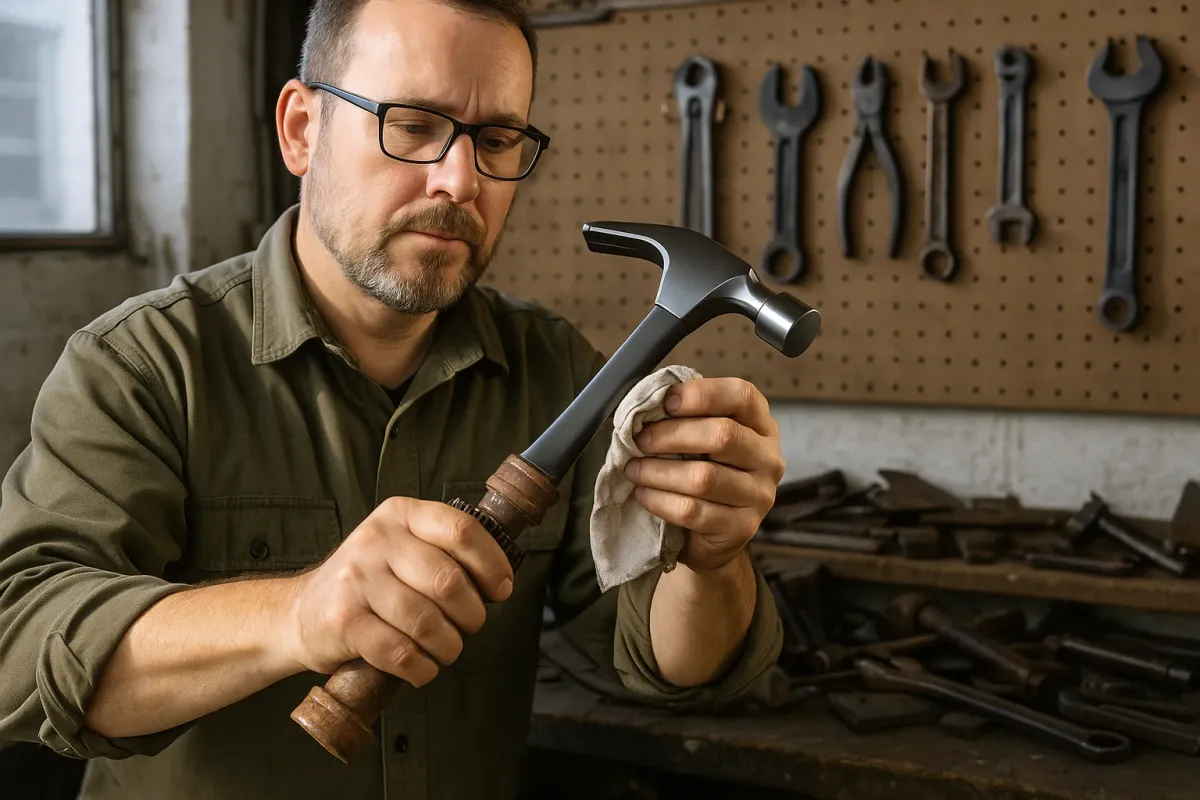
- Soak hand tools in white vinegar or citric acid overnight. - Scrub with a wire brush, then rinse and dry thoroughly. - Follow up with light oil on moving parts or bare steel.
Turn unsafe tools into fixtures:
- A hammer with a cracked handle can become a permanent mallet for your bench vise (cut off the bad part and epoxy it into a block). - A bent chisel can be ground flat and used as a small scraper or pry bar. - A broken clamp can be screwed to a bench as a dedicated hold‑down.
Make “no‑blade” display tools work for you:
- Old saws or planes that are too far gone to restore still look good. - Mount them on french cleats or racks that hide rare‑use tools or hardware bins behind them.
Prevent future damage:
- Add a small oil rag in a jar and swipe your steel tools before storage. - Store edge tools in a way that they don’t knock together (simple wooden racks or magnetic strips).
This approach lets you keep the story and character of your old tools while making sure anything “live” in the shop is safe to use.
Step 5: Design One Statement Piece That Actually Works
The success of reclaimed‑metal artists today isn’t just about recycling—it’s about pieces that people want to live with. You can do the same thing in your home: build one “hero” object that’s both functional and worth showing off.
Pick your function first:
- Shop clock - Key or coat rack - Entryway shelf with hooks - Garage organizer for everyday tools
Lay out your parts on the floor:
- Use old wrenches, sockets, gears, and brackets as visual elements. - Think of it like a puzzle: larger, heavier pieces at the bottom; smaller ones higher up.
Choose a safe assembly method:
- No welder? Use screws through the parts into a backing board or metal strip. - Have a welder? Tack‑weld pieces together, then grind and smooth sharp edges. - Always wear gloves and eye protection—cut metal is sharp even when it looks dull.
Add working features:
- Bend old spoons or wrenches into hooks with a vise and hammer. - Use small car parts or washers as spacers for a small shelf. - Attach a battery‑powered clock movement behind a gear or circular saw blade (de‑toothed and deburred for safety).
Mount carefully and test load:
- Hit wall studs for anything that will hold weight. - Hang from two or more points to avoid twisting or sagging. - Load it gradually and watch for flex or movement before calling it done.
The goal is something you’d be happy to photograph and share—and that actually earns its space on the wall.
Conclusion
The renewed spotlight on reclaimed‑metal artists like Brian Mock is a good reminder that tools and hardware don’t have to “die” when they stop working the way they used to. With a bit of sorting, basic cleaning, and some common‑sense planning, you can turn scrap into storage, jigs, fixtures, and even a standout piece for your home or shop.
You don’t need a gallery or a welding rig to get started. Start with the pile you already have, decide what can safely work again, and build one practical project from there. Take photos as you go—this kind of before‑and‑after is exactly what other DIYers love to see, and it might just inspire someone else to rescue their own “metal graveyard” instead of tossing it out.
Key Takeaway
The most important thing to remember from this article is that this information can change how you think about Tools & Equipment.