If you’ve scrolled past those viral “chef life” memes this week, you’ve seen it: blistered hands, bent pans, knives that look like they survived a war, and one line that keeps popping up—“If the tools are junk, the service will be too.” As behind‑the‑scenes photos from restaurant kitchens trend again (thanks to another wave of “what it’s really like in a kitchen” posts and memes), one thing is obvious: pros treat their tools like life-support.
You don’t need a Michelin star to borrow that mindset at home. Whether you’re fixing a cabinet hinge, hanging shelves, or finally tackling that wobbly table, the difference between a fight and a fix usually comes down to using the right tool the right way. Below is a practical, step‑by‑step guide to setting up and actually using a small “pro-grade” toolkit at home—without pro-grade drama.
Step 1: Build A Core Kit That You’ll Actually Use
Before you buy anything fancy, lock in a small set of workhorse tools you’ll reach for constantly—just like a line cook reaches for the same knife 90% of the night.
Aim for this core:
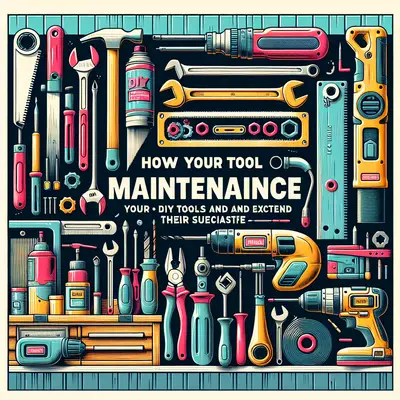
- 16–20 oz claw hammer (fiberglass or hickory handle, not the $5 ultra‑light special)
- Two tape measures (one that lives in the toolbox, one that “floats” around the house)
- Combination square (essential for straight cuts and perfect 90° angles)
- 8" and 10" adjustable wrenches
- Screwdriver set (or bit set) with: Phillips #1 and #2, slotted, square/Robertson, and Torx T15/T25
- Utility knife with retractable blade and a pack of replacement blades
- Needle-nose and slip‑joint pliers
- Safety gear: ANSI‑rated safety glasses and light work gloves
Why this set works: it covers 80–90% of real‑world home tasks—tightening door hardware, assembling furniture, small plumbing fixes, quick electrical plate swaps, and basic carpentry. Skip the giant “300‑piece” kits full of bits you’ll never touch. Instead, buy fewer, better pieces. Look for recognizable pro or trade brands (Irwin, Klein, Stanley FatMax, Milwaukee, DeWalt, Wiha, Wera, etc.) and avoid the no‑name wall of chrome in the bargain aisle.
Pro tip: Store everything in one grab‑and‑go toolbox or tote. If you have to hunt for tools in three different closets, you’ll start putting projects off—and that’s how “I’ll fix it later” becomes “Why is this still broken next year?”
Step 2: Upgrade Your Measuring Game (And Stop “Eyeballing” Everything)
Those kitchen memes showing chefs plating with rulers aren’t a joke—precision saves time and prevents waste. Same rule for DIY.
Use this simple process every time you measure:
Measure with a plan
Before you pull out the tape, decide exactly what you’re measuring: overall length, inside gap, center‑to‑center spacing, or clearance. Write it down in a few words (“shelf span,” “stud to stud,” “hinge spacing”).
Hook the tape correctly
The loose metal hook on your tape is supposed to move. For outside measurements (like board length), pull the hook over the edge. For inside ones (like inside a cabinet), push it against the surface. That movement accounts for the hook’s thickness and keeps you accurate within about 1/16".
Always “measure twice” the same way
Re‑measure from the same starting point and with the same body position (standing vs. reaching). Change one of those and you can be off by a noticeable margin on long runs like shelves or trim.
Transfer measurements, don’t re‑invent them
Use your tape measure and a pencil to mark clearly. For cuts that need to be identical (like two shelf brackets), line them up and mark them together instead of re‑measuring each piece. Pros call this “story‑sticking”—you’re copying, not guessing.
Use a square for every line
Once you mark a measurement on a board, don’t just draw a freehand cutting line. Place your combination square on the edge and draw a perfectly square line. This improves your cut accuracy more than buying a more expensive saw.
Quick win: Keep a small notebook and a pencil in your toolbox. Write measurements in real time. Screens lock, notes apps close, and a pencil still works when your hands are dusty.
Step 3: Pick One Cordless Drill/Driver And Learn It Inside Out
In commercial kitchens, the chef’s knife is king. In home improvement, that crown goes to the cordless drill/driver. It does more than drilling holes—this is your assembly, hanging, and fastening powerhouse.
Here’s how to choose and use it like a pro:
Buy into a battery system, not just a tool
Stick with a major platform (DeWalt 20V Max, Milwaukee M18, Makita 18V/LXT, Ryobi 18V One+, Bosch, etc.). Your first drill/driver is the “gateway” to other cordless tools that share the same batteries—impact driver, oscillating tool, sander, even a shop vacuum.
Start with a compact drill/driver kit
Look for: 2 batteries (2.0–4.0Ah), charger, and a hard case or bag. You don’t need the most powerful hammer drill unless you’re doing a lot of masonry work.
Understand the clutch (the numbered collar)
Those numbers around the chuck aren’t decoration. They control how much torque the tool applies before it slips. Use: - Low numbers (1–6) for delicate work: outlet covers, cabinet hinges - Mid numbers (7–14) for general screws into wood or plastic - Drill icon for drilling holes (no clutch slip)
Match bits to the job
- Wood screws: use a driver bit that fully fills the screw head (usually Phillips #2 or square) - Metal or plastic: use a sharp twist bit and low to medium speed - Masonry: use masonry bits and hammer mode (if your drill has it)
Let the tool work—don’t muscle it
Keep a firm grip, set the clutch correctly, maintain steady pressure, and let speed do the work. If you’re stripping screws or smoking bits, you’re forcing it or using the wrong setting.
Maintenance basics: Wipe dust off the tool, blow chips out of the vents, and don’t store batteries dead. If you finish a job with a nearly empty battery, charge it before shelving the kit.
Step 4: Learn Safe Cutting With A Utility Knife And A Simple Saw
Most DIY injuries come from cutting tools—and most are avoidable with a few habits. You don’t need a full carpenter’s shop to start; you just need to respect the blade.
Utility knife safety and technique
Always cut away from your body
That sounds obvious, but watch your other hand too—don’t hold the material directly in front of the blade’s path. If the knife slips, you want it to hit the bench, not your palm.
Use a cutting surface
Cut on a scrap board, cutting mat, or sacrificial piece of plywood. Never on finished flooring or a countertop you care about.
Score, don’t slice all at once
For drywall, vinyl plank, cardboard, or thin plastics: press lightly and make multiple passes rather than one deep, forceful cut. Once you’ve scored a line, you can often snap the piece along that line.
Change blades often
A dull blade is more dangerous than a sharp one—because you lean harder and lose control when it finally slips. If the knife drags or tears, not cuts, flip to a fresh edge or replace the blade.
Saw choice and basics
If you buy one saw for DIY basics, make it a compact crosscut hand saw or a small cordless circular saw (on the same battery platform as your drill). For now, assume you’re starting with a hand saw:
Support the work on both sides of the cut
Use a couple of boards or a workbench with clamps. If the piece pinches or drops as you finish, the saw can jump or bind.
Mark clearly and use a square
Dark, clear pencil line across the piece. Put the waste on the side of the line you’ll cut away.
Start slow
Begin with short, light strokes to create a shallow groove right on the line. Once the blade tracks in that groove, you can speed up with longer strokes.
Let the saw weight work
Don’t press down hard; focus on guiding the saw straight. Forcing it makes the blade wander and bind.
If you move up to a circular saw later, keep the same habits: solid support, clear markings, eye/ear protection, and a steady grip with two hands.
Step 5: Set Up A Mini “Work Station” So Jobs Don’t Take Over Your Home
Kitchen memes show the same thing: when the station is trashed, everything falls apart. The same goes for home projects. A simple, organized work zone will cut your project time in half and reduce frustration.
Here’s how to set it up, even in a small space:
Choose a consistent spot
A corner of the garage, a section of basement, or even a balcony with a folding table. Consistency matters more than size—your brain learns where tools live.
Create three zones
- Tool zone: toolbox/tote, drill kit, safety gear - Material zone: lumber, fasteners, parts for the current project - Mess zone: trash bag, cardboard box for off‑cuts, a small broom and dustpan
Add a basic surface and clamping
A folding workbench, two sawhorses with a sheet of plywood, or a solid table you don’t mind scratching. Pick up a pair of quick‑grip clamps—they’re your extra “hands” for holding things steady while you cut or drill.
Use trays or bins for small parts
Empty takeout containers, muffin tins, or shallow bins are perfect for screws and hardware. Label them with painter’s tape while you work: “hinge screws,” “old hardware,” “new anchors.”
End every session with a 5‑minute reset
Store tools in the same spots, toss obvious trash, corral loose hardware, and jot a quick note of where you left off. Tomorrow‑you will finish the job much faster if today‑you leaves a roadmap.
If you can cook in a kitchen, you can run a DIY station: same idea—clean knives, clear counters, and everything within reach.
Conclusion
The restaurant‑kitchen memes going viral right now are funny because they’re true: when the heat is on, your tools will either save you or sink you. At home, the stakes are lower, but the rule is the same—good tools, used correctly, turn chaos into progress.
Build a lean, reliable core kit, measure like it matters, master your cordless drill, cut safely, and give your projects a dedicated work zone. Do that, and you’ll stop treating repairs and upgrades like emergencies—and start knocking them out with the quiet confidence of a pro who knows their tools are ready before the job even begins.
Key Takeaway
The most important thing to remember from this article is that this information can change how you think about Tools & Equipment.