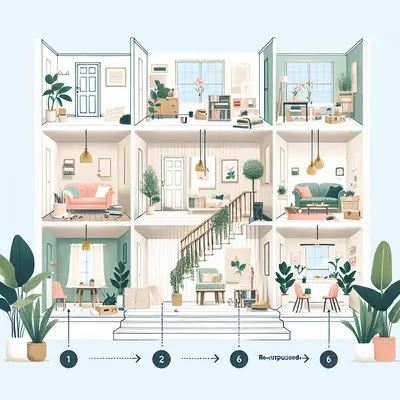
Renovation projects don’t start when the first wall comes down—they start weeks earlier with smart prep. Whether you’re doing the work yourself or bringing in pros, what you do before demolition can save you money, time, and stress. This guide walks through practical, step‑by‑step prep so your renovation runs smoother and your home doesn’t turn into chaos.
Know What You’re Changing (and What You’re Not)
Before you touch a tool, get very clear on the scope of the renovation. This is where you decide what stays, what goes, and what can wait.
Start by walking through the space with a notebook or a notes app. Write down exactly what you want to change: walls, flooring, lighting, outlets, windows, storage, and finishes. Then mark what must stay because of budget, structure, or time—things like load‑bearing walls, major plumbing runs, or recently updated features.
Take photos from multiple angles and mark them up with ideas or questions. This helps when you’re comparing quotes, buying materials, or asking for advice at a home center. If you’re planning to hire help, having a clear scope keeps contractors from guessing and gives you more accurate pricing.
Finally, decide what is absolutely non‑negotiable (like fixing a safety issue) versus “nice to have” upgrades (like higher‑end fixtures). If the budget gets tight later, you’ll already know what can be trimmed without stalling the whole project.
Step 1: Map Out Utilities and Hidden Systems
Before any cutting, drilling, or demolishing, you need to know what’s inside your walls, floors, and ceilings. This is about safety first and expensive mistakes second.
Use your home’s electrical panel labels, inspection reports, or any existing plans to understand where major lines run. If you don’t have drawings, turn on lights, outlets, and appliances in the area and flip breakers to see which circuits control what. Label the breakers clearly with painter’s tape and marker if they’re not already labeled.
Buy or borrow a stud finder with live‑wire detection. Use it along walls where you plan to cut or anchor heavy items. Mark studs, suspected wiring, and any inconsistent readings with painter’s tape. In older homes, assume surprises—wires or pipes can be in unexpected places—so never plunge a saw or long screw into a wall without checking.
If you’re moving plumbing or gas lines, this is the time to bring in a licensed pro to confirm what’s possible and what’s safe. Even if you’re a DIYer, a one‑time consultation can prevent code violations, leaks, or dangerous gas issues later.
Step 2: Protect the Rest of Your Home From Dust and Damage
Renovation dust gets everywhere if you don’t contain it. Protecting non‑work areas is one of the most valuable prep steps you can take.
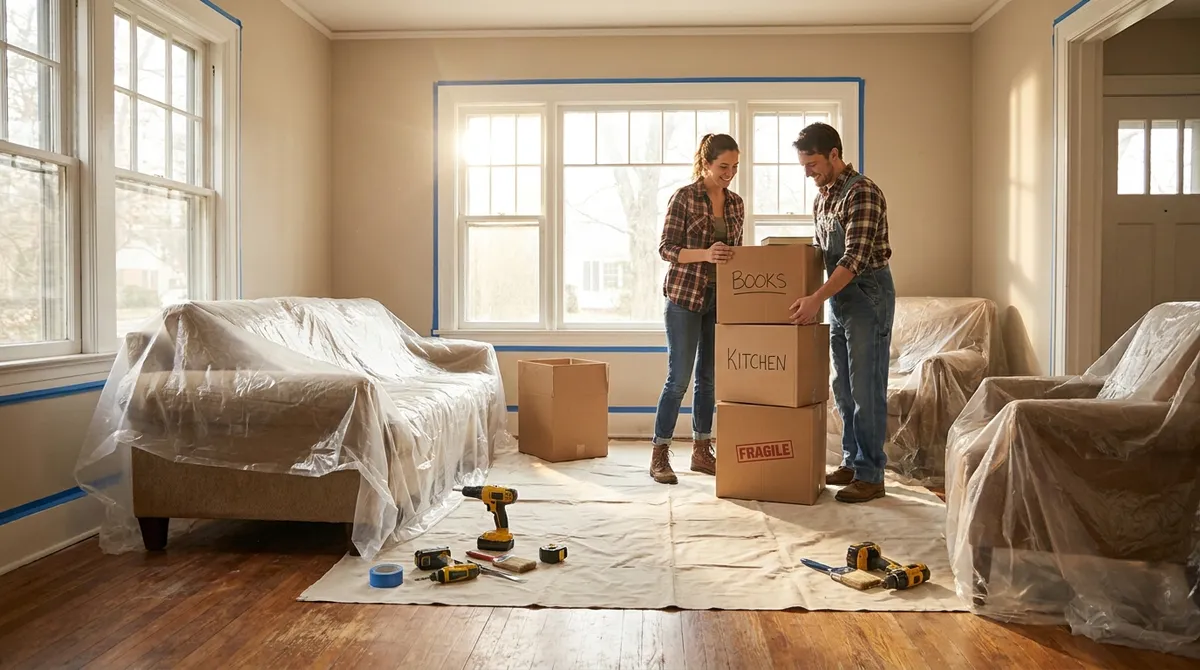
Clear out as much furniture as possible from the renovation zone. Anything that must stay should be covered with plastic sheeting and secured with painter’s tape. Remove art, photos, and shelves from nearby walls—even in adjacent rooms—as vibrations from demo and tools can loosen fasteners.
Create a dust barrier at doorways using plastic sheeting and a zipper dust door kit or overlapping flaps. If the project is big, consider setting up a “clean path” with old rugs or cardboard from the entry to the work area. This catches debris from shoes and makes cleanup easier.
Close or cover HVAC registers and returns in the work area to keep dust from being sucked into your system and distributed through the house. Use removable vent covers or tape plastic over them (but don’t block all returns in your home—just in the active work zone).
If you’ll be sanding or cutting a lot, set up a box fan in a window blowing out, then open another window in the same room slightly to bring in fresh air. This creates negative pressure that helps pull dust outdoors instead of into the rest of your home.
Step 3: Create a Temporary Living and Work Setup
If the renovation affects a kitchen, bathroom, or main living area, a temporary setup keeps your household functioning and reduces frustration.
For kitchen work, set up a mini‑kitchen in another room with a folding table, microwave, toaster oven, and electric kettle or hot plate (if it’s safe and on an appropriate circuit). Use a plastic tub or laundry sink as a temporary dishwashing station if the kitchen sink is out of commission. Store essentials—plates, mugs, utensils, coffee gear—in a single labeled bin for quick access.
For bathroom renovations, plan ahead for showering and toilet access. If you have a second bathroom, stock it with anything you’d normally keep in the main one: towels, toiletries, hair tools, and cleaning supplies. If you only have one bath and it will be out of use for stretches, coordinate work phases carefully or discuss temporary solutions (like a portable toilet) with your contractor.
If you’re DIYing, set up a dedicated cutting and tool area, ideally in a garage, carport, or covered outdoor space. Keep primary tools, extension cords, safety gear, and fasteners organized in one spot. That way you’re not chasing items through the house and tracking mess everywhere.
Finally, decide on one “no‑renovation zone” where the house stays as normal as possible. This is your reset space when the project feels overwhelming.
Step 4: Plan Debris Handling and Material Staging
A big project can generate more debris and packaging than you expect. Planning where everything goes keeps the site safer and more efficient.
Check local rules for trash, recycling, and construction waste. Some cities allow small amounts of renovation debris in normal pickup if it’s cut to specific sizes and properly bagged or bundled. Others require special disposal or a trip to a transfer station. Knowing this early helps you decide if you need a small dumpster, bag‑style disposal service, or just heavy‑duty contractor bags.
Choose a specific spot—driveway corner, side yard, or garage zone—for staging old materials (like trim, cabinets, or fixtures you’ll donate or reuse). Keep anything salvageable separate from trash immediately, so it doesn’t get damaged or accidentally tossed.
Also plan where new materials will be stored when they arrive. Lumber needs a dry, flat area; flooring should acclimate in the room where it will be installed (if the manufacturer requires it); cabinets and doors shouldn’t be stacked where they could warp or be dented. Avoid storing heavy materials directly on finished flooring without protection.
Inside the work area, keep a clear path to exits and avoid stacking debris in front of windows or doors. This isn’t just for convenience—unblocked exits are a basic safety requirement in case of emergency.
Step 5: Schedule Work in a Logical, Low‑Stress Order
Renovation isn’t just about what you do, but when you do it. A smart sequence saves rework and stress.
Generally, the order looks like this:
1) Prep and protection
2) Demolition
3) Rough work (framing, plumbing, electrical, HVAC)
4) Insulation and drywall
5) Flooring and trim
6) Cabinets and built‑ins
7) Paint and finishes
8) Fixtures, hardware, and final touch‑ups
Even for smaller DIY projects, follow the same logic in miniature. Don’t paint before you finish patching holes. Don’t install new flooring before heavy ceiling work. Don’t bring in new cabinets before rough electrical is signed off, if permits are involved.
If you’re hiring pros for certain parts, line up their schedules early. Electricians, plumbers, and inspectors can be booked weeks out. Build in buffer time for delays so you’re not rushing and cutting corners to stay on track.
Finally, plan “checkpoints” where you pause and verify things before moving on—measurements, outlet locations, door swing clearances, and appliance fits. Catching a mistake before the next layer goes in is one of the best ways to keep a renovation from snowballing into a bigger fix.
Conclusion
Renovation doesn’t have to mean chaos if you prepare your home and your routine before the work begins. Mapping utilities, protecting your space, setting up temporary living areas, organizing debris and materials, and sequencing the work logically all reduce surprises and stress. With a solid prep plan, you’ll spend less time putting out fires and more time actually improving your home—and you’ll finish with a space that looks good and still functions well beyond the project zone.
Sources
- U.S. Consumer Product Safety Commission – Home Maintenance and Safety - Covers safety considerations for working around electrical, gas, and other home systems
- U.S. Department of Energy – Energy Saver: Home Remodeling - Guidance on planning renovations with building systems and efficiency in mind
- Environmental Protection Agency (EPA) – Lead-Safe Renovations - Important information on dust control and safe practices in older homes with potential lead paint
- This Old House – How to Prepare Your Home for a Renovation - Practical tips from home improvement pros on pre‑renovation steps
- National Association of Home Builders – Remodeling Safety - Professional guidance on safe jobsite practices and sequencing during remodeling projects
Key Takeaway
The most important thing to remember from this article is that this information can change how you think about Renovation.