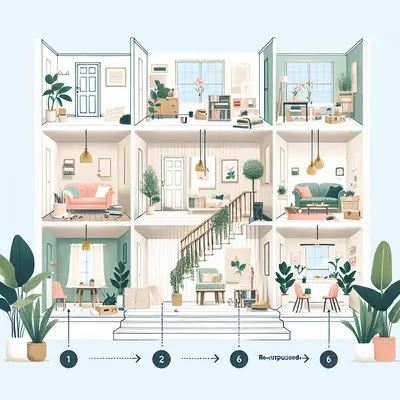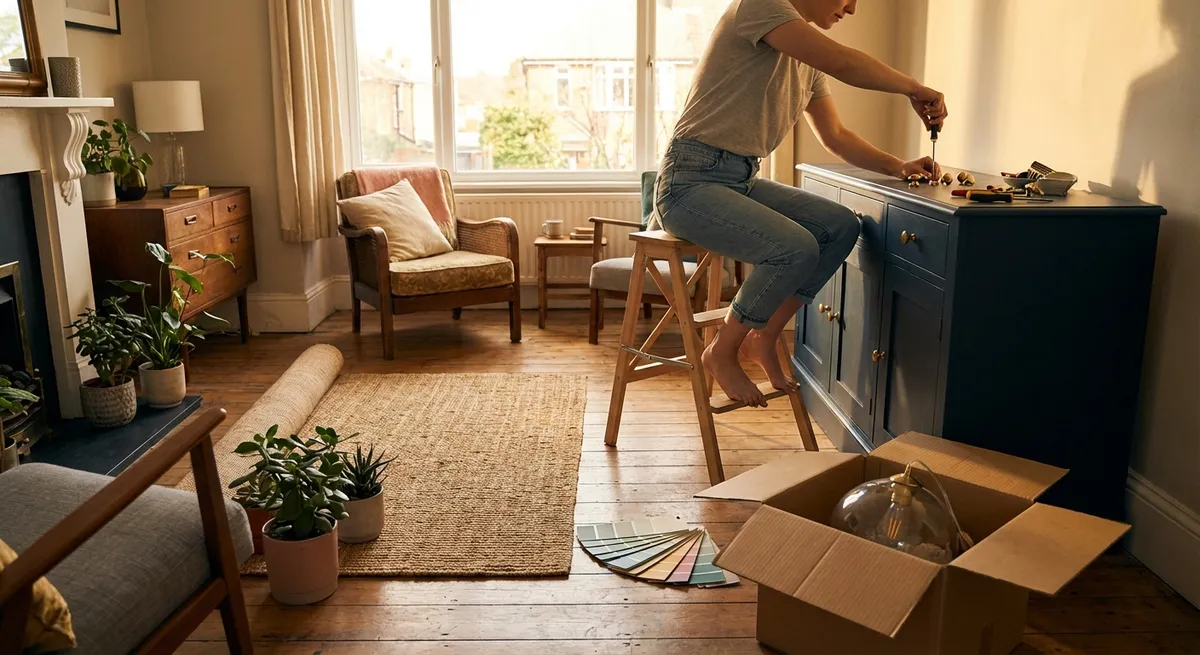
Renovation doesn’t always mean tearing your house apart or living in a construction zone for months. With the right plan, you can make your home look and feel noticeably upgraded using smaller, targeted projects that don’t require a full gut job. This guide walks you through five practical, step-by-step upgrades that DIY‑minded homeowners can tackle with modest tools, reasonable budgets, and a weekend or two of effort.
Each step is designed to deliver a clear visual or functional payoff while avoiding the chaos of major remodeling work.
Step 1: Refresh the First Impression With a Door & Entry Update
Your entry sets the tone for the rest of your home. A tired front door, scuffed trim, and cluttered entryway can make everything feel more worn out than it really is. A focused entry refresh can dramatically lift your home’s curb appeal and daily experience without touching any walls.
Plan and prep
Start by evaluating what actually looks worn: is it the paint, the hardware, the lighting, or all of the above? Take a few daylight photos from the sidewalk and close up—you’ll notice flaws you miss in person. Measure your door, handle set backset (usually 2⅜" or 2¾"), and the distance between the handle and deadbolt if you’re replacing both. Check your exterior light fixture wiring box size so you know what new fixture styles will fit safely.
Clean the door, trim, and porch area thoroughly. Use a mild detergent and scrub brush on the door and trim, and sweep or pressure wash the steps if needed. Let all surfaces dry completely before you decide on paints or finishes.
Upgrade the door surface
If your door is structurally sound but just looks tired, repainting is usually enough. Choose a high‑quality exterior paint (satin or semi‑gloss) designed for wood, fiberglass, or metal depending on your door material. Lightly sand the surface with 120–180 grit to de‑gloss, wipe away dust, and remove any loose or flaking paint. Prime bare spots or repairs with an exterior primer.
Use painter’s tape on glass, hinges, and weatherstripping. Apply paint with a foam roller for flat areas and a brush for panels and edges, working from the raised panels outward to avoid lines. Two thin coats will look far better and last longer than one heavy coat. Let the door dry fully before closing it to avoid sticking.
Swap hardware and lighting
New hardware instantly updates the look and feel of the door and usually only requires a screwdriver. Match the finish of your handle set, deadbolt, and door knocker or peephole for a cohesive look. If you’re changing styles (for example, moving from separate handle and deadbolt to a single keyed lever), verify hole spacing and hole size so the new set covers existing bores.
For exterior lights, turn off the breaker first, then remove the existing fixture and verify the electrical box is secure and rated for the new fixture. Follow the manufacturer’s wiring diagram, matching wire colors with wire nuts and using the included mounting hardware. Choose a fixture that fits scale‑wise with your entry and use LED bulbs with a warm color temperature (2700K–3000K) for an inviting glow.
Finish with simple details
Add a new, correctly sized doormat (about ¾ the width of the door looks balanced), a few weather‑appropriate plants in matching planters, and clean house numbers that are easy to read from the street. Keep decor restrained—your goal is “welcoming” rather than cluttered. A focused entry upgrade is one of the highest “feel” improvements you can make with relatively low effort.
Step 2: Modernize a Room With Trim, Caulk, and Paint Lines
You don’t need to rebuild a room to make it look considerably newer. Often, sloppy paint lines, yellowed trim, and gaps around baseboards or windows make a space feel neglected. Tightening up those details delivers a surprisingly “renovated” look.
Inspect and choose your targets
Walk each room and look specifically at baseboards, door casings, window trim, and the line where walls meet the ceiling. Note areas with cracked caulk, separated joints, nail holes, chipped paint, or mismatched sheens. Prioritize the rooms you use most or those visitors see first—frequently the living room, hallway, and main bathroom.
Decide what you’ll do: repaint trim only, repaint both trim and walls, or just patch and caulk. If the wall color is fine but the trim is dingy, focus on cleaning, caulking, and repainting trim in a crisp white or soft neutral.
Clean and repair surfaces
Clean all trim with a degreaser or mild TSP substitute, especially in kitchens, bathrooms, and around light switches. Dirt and oils will prevent paint and caulk from adhering well. Fill nail holes and small dents with wood filler or lightweight spackle; let dry, then sand smooth with fine‑grit sandpaper.
For gaps between trim and wall, cut away failed or cracked old caulk with a utility knife or scraper. Vacuum or brush out dust. Check for loose baseboard or casing—re‑nail where needed using finish nails into studs, then set nail heads slightly below the surface with a nail set.
Re‑caulk for clean lines
Use a paintable acrylic latex caulk for interior trim. Cut the caulk tube tip at a small angle to control bead size. Apply a thin, steady bead along the joint, then immediately smooth it with a damp finger or caulk tool. Wipe away excess with a slightly damp cloth so you don’t leave smears on painted surfaces.
Work in manageable sections, and don’t rush—neat caulk work is one of the biggest “pro finish” upgrades you can achieve without advanced skills. Let caulk cure according to the label before painting.
Repaint trim and correct wall edges
Lightly sand glossy trim to help new paint bond. If there are many repairs or you’re changing from a darker to a lighter trim color, spot‑prime patched areas or prime all trim. Use a high‑quality enamel or trim paint with a semi‑gloss or satin finish for durability.
Cut in carefully along walls and floors with an angled sash brush, then fill wider trim areas with a small roller for an even finish. If wall paint along the ceiling or trim is wavy, carefully re‑tape and use your brush to create a straighter line. Fresh, straight paint lines often make a room feel more “finished” than any new furniture.
Step 3: Redo a Backsplash Without Touching the Cabinets
Kitchens can feel dated because of small surfaces—like backsplashes—rather than entire layouts. Updating the backsplash gives you a major visual change without replacing cabinets, countertops, or appliances.
Decide your approach: tile vs. peel‑and‑stick vs. panel
If you’re comfortable with basic tools and measurements, you can install real tile with thinset or tile adhesive mats. For a faster, less permanent approach, you can use high‑quality peel‑and‑stick tiles or decorative panels designed for kitchens. Consider your tolerance for mess, budget, and time frame.
Check that your wall surface is sound and relatively flat. Remove old backsplash materials like loose tiles or plastic panels. If you’re going over existing tile, verify that the adhesive product you choose is rated for that use.
Prep the workspace
Turn off power to outlets and switches in the backsplash area and remove cover plates. Protect countertops with rosin paper or cardboard and painter’s tape. Clean walls thoroughly with a degreaser to remove cooking residue; glossy paint may need light sanding to help adhesives bond.
Measure the length and height of the backsplash area and sketch a simple layout. Plan tile placement so you avoid thin, awkward slivers at the ends. For subway‑style tiles, a classic offset (half‑tile stagger) pattern tends to hide small irregularities in walls.
Install the new surface
For real tile, apply thinset mortar or tile mat per the manufacturer’s instructions, working in small sections so adhesive doesn’t skin over. Use tile spacers to maintain even grout lines. Cut tiles to fit around outlets and at ends with a tile cutter or wet saw (many home centers rent them). Let tiles set fully before grouting.
For peel‑and‑stick tiles, dry‑fit panels first, then peel backing gradually as you press into place. Use a utility knife and straightedge to trim as needed. Press firmly over entire surfaces to ensure good adhesion, especially at edges and corners.
Finish with grout or caulk
If you used traditional tile, mix grout to a peanut‑butter consistency and apply with a rubber float, pressing grout into joints at a diagonal. Wipe excess off with a damp sponge, rinsing frequently, and buff haze away with a microfiber cloth once it dries slightly. Seal grout once cured if required by the product.
Reinstall outlet and switch cover plates with longer screws if the backsplash increased wall thickness. Use a thin bead of kitchen/bath caulk along the seam where the backsplash meets the countertop to prevent water damage. The new backsplash will change the feel of the entire kitchen—even though the layout never moved an inch.
Step 4: Improve Everyday Comfort With a Lighting Tune‑Up
Many homes feel older than they are because of dim, uneven, or harsh lighting. A strategic lighting upgrade is one of the most cost‑effective “mini‑renovations” you can do, and it’s largely about swapping fixtures and bulbs rather than rewiring the entire house.
Map how each room is actually used
Walk through your home at the time of day you use each room most. Note areas that feel dark, glare‑y, or shadowed. Typical trouble spots: hallways, corners of living rooms, kitchen work zones, and bathroom mirrors. Decide what each space needs: ambient (general), task (focused), or accent (decorative) light.
Take photos and mark up where you might add or adjust lighting—like a brighter ceiling fixture in a hallway, under‑cabinet lighting in the kitchen, or sconces near a reading chair.
Standardize bulb types and color temperatures
Inconsistent bulb color temperatures (some very yellow, some very blue) make a house feel disjointed. Choose one or two color temperatures and stick to them: around 2700K–3000K for warm, cozy spaces (bedrooms, living rooms) and 3000K–4000K for task‑heavy zones (kitchens, home offices).
Switch to LED bulbs for efficiency and longevity. Check lumens, not just wattage equivalents: around 800 lumens works well for a standard table lamp; ceiling fixtures or kitchens may need multiple bulbs or higher lumen levels. Replace burned‑out bulbs everywhere at once so no room feels neglected.
Upgrade key fixtures
Identify 2–3 “impact” fixtures—maybe the dining room light, entry light, or a dated ceiling fan—that you can replace with more modern, efficient designs. Turn power off at the breaker, confirm with a non‑contact voltage tester, and follow the included wiring diagrams carefully.
Choose fixtures that distribute light well rather than trapping it (for example, open‑bottom shades vs. fully enclosed yellowed glass domes). In bathrooms, consider a vanity bar that lights faces from above and, ideally, from the sides to reduce harsh shadows.
Add simple layers of light
You don’t need complex electrical work to layer lighting. Use plug‑in floor and table lamps strategically in living rooms and bedrooms. For kitchens, adhesive LED under‑cabinet strips or puck lights can dramatically improve counters without opening walls.
Connect groups of lamps in a room to a single smart plug or switched outlet so you can turn them all on with one control. The goal is flexibility: bright when you need it, softer when you don’t. Once your lighting is tuned, everything else in the house tends to look better immediately.
Step 5: Strengthen “Invisible” Systems to Protect Your Upgrades
Quiet renovations aren’t only about looks. Protecting what you already have—floors, finishes, and future projects—matters just as much. A few small system upgrades can reduce the risk of water damage, drafts, and wear that undo all your cosmetic work.
Check for moisture trouble spots
Start with areas where water can cause expensive damage: under sinks, around toilets, near water heaters, under dishwashers, and in basements. Look for staining, musty smells, or soft materials. Use a flashlight to inspect shutoff valves, supply lines, and traps. Tighten loose fittings gently; don’t over‑torque plastic parts.
Consider installing simple leak detectors on the floor under sinks, near the washing machine, and around the water heater. Many battery‑powered units sound an alarm when they contact water; smart versions can also send phone alerts.
Upgrade basic shutoffs and hoses
If your toilet or sink shutoff valves are corroded or won’t turn, replace them so you can isolate fixtures during future DIY work. Use compression or push‑to‑connect valves if you’re not comfortable soldering; ensure they’re rated for your pipe type (copper, PEX, CPVC).
Replace old rubber washing machine hoses with braided stainless steel versions and verify they’re not kinked. These simple upgrades significantly lower the risk of sudden, high‑volume leaks that can ruin flooring and lower walls.
Seal drafts and protect floors
Inspect exterior doors and windows for drafts by feeling for air movement on a windy day or using a stick of incense/smoke pencil. Replace worn door sweeps and apply adhesive foam weatherstripping where needed. This not only saves energy but also reduces dust and pests.
Protect existing floors where traffic is heaviest before they get damaged. Add felt pads under furniture legs and use durable, non‑slip runners in hallways and at entries. If you have wood floors near exterior doors, a good doormat inside and outside catches grit that acts like sandpaper.
Check basic safety and maintenance items
Verify that smoke and carbon monoxide detectors are installed in required locations and test them. Replace batteries yearly (or use 10‑year sealed units) and confirm the manufacture date; most detectors should be replaced every 10 years.
Clean HVAC return and supply grilles, and replace filters on schedule. This not only improves air quality but also helps paint and surfaces stay cleaner longer. Quiet, behind‑the‑scenes system upgrades might not be flashy, but they keep your visible renovations looking good and functioning well for years.
Conclusion
You don’t need a full‑scale remodel to make your home feel significantly better to live in. By targeting what you see first (the entry), what frames your rooms (trim and paint lines), what anchors key spaces (backsplash and lighting), and what protects everything else (basic systems), you can create meaningful change with manageable projects.
These five quiet upgrades respect your time, budget, and living situation. They’re achievable for most DIY enthusiasts with basic tools, and they leave your home more comfortable, more functional, and more prepared for any larger renovations you may take on later. Start with one step that bothers you most, finish it fully, and build momentum—small, well‑done improvements add up faster than you think.
Sources
- U.S. Department of Energy – Energy Saver: Lighting Choices to Save You Money - Guidance on efficient lighting, bulb types, and color temperature
- Energy Star – LED Lighting Facts - Details on LED performance, efficiency, and selection
- Consumer Product Safety Commission – “Protect Your Home From Water Damage” - Tips on preventing leaks and water damage around the home
- U.S. Fire Administration – Smoke Alarm Safety - Official recommendations on smoke alarm placement, testing, and replacement
- Benjamin Moore – How to Paint Trim - Step‑by‑step instructions and best practices for painting interior trim
Key Takeaway
The most important thing to remember from this article is that following these steps can lead to great results.