Renovation doesn’t have to mean gutting your house or blowing your budget. The most effective projects are usually the ones done with a clear plan, realistic scope, and smart sequencing. This step-by-step guide walks you through a practical renovation path you can follow room by room, so you make real progress without getting overwhelmed or stuck halfway.
Step 1: Map Your Spaces and Set a Realistic Renovation Order
Before you pick up a tool, get clear on where you’re going and in what order.
Start by walking through your home with a notepad or notes app. In each room, write down what bothers you most: bad lighting, worn floors, awkward layout, lack of storage, or outdated finishes. Don’t worry yet about solutions—just capture the problems.
Next, decide which spaces actually affect your daily life the most. A shabby hallway may bug you, but a dark, cramped kitchen or disorganized entryway probably slows you down every single day. Prioritize rooms based on three things: how often you use them, how much the issues impact comfort or function, and how disruptive renovation there will be.
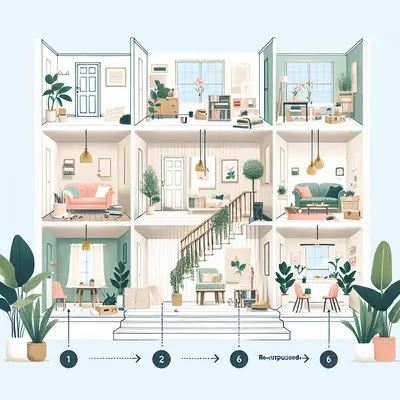
Then, set a renovation order. A common sequence that works well:
1) Entryway/mudroom (daily function)
2) Kitchen (high impact but more complex)
3) Bathrooms (function + value)
4) Living areas and bedrooms (comfort and style)
5) Bonus spaces like laundry rooms, offices, or basements
Lock in a simple rule for yourself: you don’t start a new room until the previous one is at least 90% done. This prevents your home from turning into a collection of half-finished projects.
Step 2: Define the Scope for One Room (Without Overbuilding the Project)
Once you’ve picked your first room, shrink the project into something you can actually complete.
Start with a clear scope statement: one or two sentences that describe what you will and won’t do. For example, for a bathroom: “Update fixtures, lighting, paint, storage, and ventilation. Keep the existing layout and plumbing locations.” This instantly blocks scope creep like “maybe we should move the tub” halfway through the job.
Break that scope into categories:
- Function (storage, layout, outlets, ventilation)
- Durability (flooring type, moisture resistance, traffic wear)
- Comfort (lighting, sound, temperature, privacy)
- Appearance (colors, fixtures, hardware, trim)
For each category, list specific upgrades. For a kitchen, that might be: add task lighting under cabinets (function), choose water-resistant flooring (durability), improve ventilation hood (comfort), and replace cabinet doors or hardware (appearance).
Then filter your list using three checks:
- Can you do it safely and legally as DIY? (electrical, structural, and gas work may require pros or permits)
- Does it fit your realistic budget for this room?
- Can you complete it within your available time over the next 4–8 weeks?
Trim until what remains feels slightly challenging but not overwhelming. A smaller, completed project is worth far more than a massive, unfinished one.
Step 3: Build a Room-Specific Game Plan and Schedule
Now turn that scoped list into a clear, step-by-step run sheet you can follow.
Start by writing out every task in plain language. For example, for a bedroom refresh:
- Remove old baseboards
- Patch wall holes and imperfections
- Sand walls where needed
- Prime walls and trim
- Paint ceiling, walls, then trim (in that order)
- Install new baseboards
- Replace outlets and switch plates
- Hang curtain rods and install window treatments
Next, put these tasks into a logical order, always working from “messy” to “clean,” and from top to bottom in the room. Demolition and patching come before painting; painting before installing fixtures; fixtures before final cleaning and styling.
Estimate a time block for each task: 30 minutes, 2 hours, 1 weekend day, etc. Be conservative—double your first estimate until you get a feel for how long things actually take you. Then map those time blocks to your real schedule: evenings, weekend mornings, or dedicated “project days.”
Finally, set two dates:
- A start date where you commit to beginning the first messy task (often demolition or surface prep)
- A target completion date for when the room should be usable and mostly finished
Treat your plan like a checklist you physically mark off. It reduces decision fatigue and keeps you moving, even when you’re tired or busy.
Step 4: Prepare the Room Like a Pro Before You Touch Anything
Good preparation is the difference between a clean, efficient renovation and a frustrating mess.
Clear the room as much as possible. Remove furniture or at least pull it to the center and cover it. Take down curtains, art, outlet covers, and vent grilles. The more stripped-down the space, the easier everything else becomes.
Protect surfaces: lay rosin paper or contractor’s paper on floors and tape seams; use painter’s tape along trim, windows, and any surfaces you’re not touching. This takes time up front but saves you hours of cleanup and touch-up later.
Set up a “staging zone” just outside the room: a small table or workbench for tools, fasteners, and supplies. Keep only what you actively need inside the room to cut down on clutter and lost tools. Group tools by task: painting kit, patching kit, measuring/marking kit, etc.
Before you begin any cutting, sanding, or demolition, handle safety:
- Wear eye protection, hearing protection (when needed), and a dust mask or respirator for sanding or working with certain materials.
- If your home was built before 1978, be cautious about lead paint and consult EPA guidance before aggressive sanding or demolition.
- Turn off power at the breaker if you’ll be working near wiring, outlets, or fixtures.
Do a quick dry run: walk through the first two or three tasks in your head and make sure you have all the materials and tools on hand. If you find gaps—like missing screws, joint compound, or caulk—address them before you start. A well-prepped room lets you stay in “work mode” instead of running constant last-minute errands.
Step 5: Execute Cleanly, Then Finish Strong With Functional Details
With your plan set and space prepped, focus on clean, methodical execution and a strong finish.
Work the plan in order. Avoid jumping around unless you truly have to wait on drying time or a delivery. For example, in a bathroom: complete demolition, address any plumbing or substrate repairs, install backer boards, then tile or flooring, then paint, then fixtures and accessories.
Use repeatable techniques rather than “winging it” for each task. Examples:
- For patching walls: cut damaged areas clean, fill in layers (not one thick blob), sand lightly between coats, then prime before painting.
- For caulking: cut the tube at a small angle, apply a steady bead, then smooth with a damp finger or tool immediately.
- For painting: cut in edges with a brush first, then roll while the cut-in is still wet to avoid visible lines.
- Add hooks, shelves, or built-in organizers where clutter tends to pile up.
- Improve lighting with a mix of ambient (overhead), task (under cabinets or near mirrors), and accent (lamps or wall sconces).
- Upgrade door hardware, cabinet pulls, and switch plates for a quick polish that ties the room together.
- Check airflow and ventilation, especially in kitchens, bathrooms, and laundry spaces.
As you near completion, shift focus to functional details that make everyday use easier:
Do a final walkthrough with a “punch list” mindset. Look for paint misses, gaps in caulk, loose screws, and uneven hardware. Fix those now while everything is still fresh in your mind and your tools are handy. When the punch list is complete, take clear before-and-after photos—you’ll see your progress and have a reference when planning the next room.
Conclusion
A successful renovation isn’t about how dramatic the transformation looks on day one; it’s about having a clear path you can actually follow from room to room. By mapping your spaces, tightly defining each project’s scope, planning the sequence, preparing like a pro, and finishing with functional details, you create a home that works better for daily life—not just better for photos.
Repeat this five-step process for each room, adjusting complexity to match your skills and budget. Over time, you’ll build not only a more comfortable and efficient home, but also the confidence and experience to take on bigger projects when you’re ready.
Sources
- U.S. Department of Housing and Urban Development – Rehab a Home Guide - Overview of home rehabilitation considerations and programs that can inform planning and budgeting
- U.S. Environmental Protection Agency – Renovation, Repair and Painting (RRP) Program - Guidance on safe renovation practices, especially in homes with potential lead-based paint
- National Association of Home Builders – Remodeling Safety Tips - Practical safety recommendations for homeowners undertaking remodeling work
- This Old House – Home Renovation Planning Guide - Expert advice on sequencing projects and planning home renovations efficiently
- Energy.gov – Home Weatherization and Energy Efficiency Improvements - Useful when considering functional upgrades like sealing, insulation, and comfort improvements during renovation
Key Takeaway
The most important thing to remember from this article is that this information can change how you think about Renovation.