If you’re getting into DIY, it’s easy to waste money on the wrong tools—or not have what you need when something breaks. Instead of buying random gadgets, build a lean, reliable tool kit that covers real-world repairs and small projects around your home. This guide walks you through exactly what to buy, how to choose quality, and how to store and maintain your tools so they’re ready when you are.
Start With the Core Hand Tools You’ll Use Weekly
Before buying specialty tools, lock in a solid core set you’ll reach for constantly. These are the tools that handle picture hanging, minor furniture fixes, basic assembly, and small repairs.
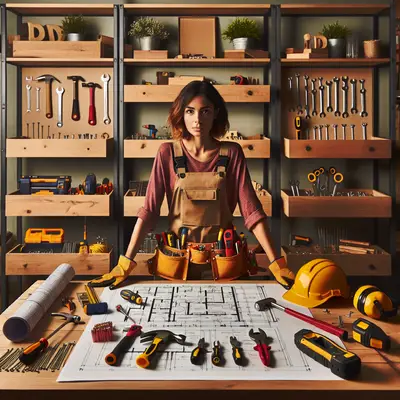
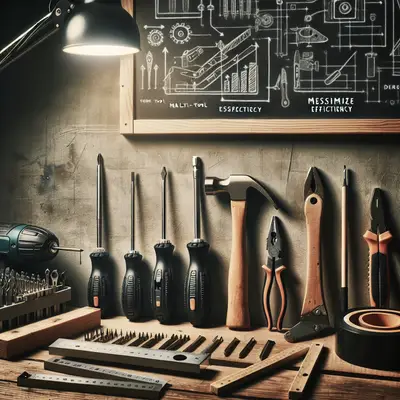
Think in terms of categories: gripping, cutting, measuring, fastening, and prying. A practical starter set includes: an adjustable wrench, combination pliers, needle-nose pliers, a utility knife, a 16–25 ft tape measure, a small pry bar, a torpedo level, and a claw hammer. For fastening, get a basic screwdriver set with at least #1 and #2 Phillips, flat-heads in two sizes, and a stubby screwdriver for tight spaces.
When comparing tools in-store, pick them up. They should feel balanced, not overly heavy, and have comfortable, non-slippery grips. Avoid ultra-cheap “50-piece” kits full of tiny, flimsy tools you’ll never use; it’s better to buy fewer, sturdier pieces from a trusted brand. Aim for tools with chrome-vanadium or similar hardened steel and avoid anything with noticeable flex or misaligned jaws. Once you’ve got this base set, you can tackle a surprising amount of everyday jobs.
Choose the Right Fastening Gear: Screwdrivers, Bits, and Sockets
Fasteners are everywhere—furniture, door hardware, appliances—so your fastening tools need to be dependable and versatile. Start with a solid screwdriver set, then add interchangeable bits and sockets as you take on more projects.
Look for screwdrivers with magnetic tips and clearly marked sizes on the handles so you’re not guessing mid-project. A multi-bit driver is useful, but don’t skip dedicated drivers for the sizes you use most; they’re sturdier and more comfortable for repetitive work. Add a bit set that includes Phillips, slotted, square (Robertson), Torx, and hex bits so you’re ready for furniture kits and newer hardware designs.
If you’ll be working on bikes, lawn equipment, or simple mechanical repairs, a 1/4" or 3/8" drive socket set is worth it. Prioritize common metric and SAE sizes rather than massive assortments. When possible, choose six-point sockets; they grip fasteners more securely and are less likely to round them off. Keep your bits and sockets in their labeled case so you can see what’s missing at a glance—this prevents both lost pieces and buying duplicates because you can’t find the originals.
Build a Safe, Versatile Cutting and Drilling Setup
Cutting and drilling sound advanced, but with the right tools, they’re manageable and safe even for beginners. Focus on control and suitability, not power for its own sake.
For cutting, a sharp utility knife with snap-off or replaceable blades handles drywall, cardboard, caulk, and many packaging tasks. Add a handsaw designed for general-purpose wood cutting and a small flush-cut saw if you anticipate trimming dowels or shims. Always cut away from your body and use a cutting surface like scrap wood or a cutting mat to protect floors and countertops.
For drilling, a basic cordless drill/driver with an adjustable clutch and at least two batteries is ideal. Choose one that feels balanced in your hand and has clear torque settings. Start with a small set of twist drill bits for wood and soft metal, plus a set of brad-point or wood-specific bits if you’ll be working mainly with lumber. Use the clutch to prevent overdriving screws and stripping them: lower settings for small screws, higher for larger fasteners. Practice on scrap material before committing holes in visible areas. Over time, you can add masonry bits for drilling into brick, block, or concrete, but learn your drill’s limits and never force it.
Step-by-Step: Assemble a Practical DIY Tool Kit From Scratch
Follow these five steps to go from “no tools” to a reliable, beginner-friendly setup without buying a bunch of clutter.
Step 1: Define What You Actually Plan to Do
Start by listing the kinds of projects and fixes you expect in the next year: hanging shelves, assembling flat-pack furniture, fixing loose hinges, patching small holes, installing hooks, or doing minor outdoor work. Group tasks by activity—measuring, drilling, cutting, fastening, or finishing. This helps you avoid buying specialized tools you won’t use and highlights where you need higher quality (for example, a good stud finder and level if you’ll mount heavy items on walls).
Review your home’s materials: do you have mostly drywall, plaster, brick, tile, or wood paneling? Do you live in a house with a yard or a small apartment? Matching your tool kit to your space ensures you’re prepared for actual conditions—like needing masonry bits for brick walls or outdoor-rated extension cords for yard projects.
Step 2: Buy a Focused Starter Set, Not a Giant Kit
Based on your list, create a short shopping plan instead of wandering the tool aisle. Aim for a focused starter kit with: a hammer, tape measure, level, screwdrivers, pliers, utility knife, small pry bar, and a cordless drill/driver with bits. Compare a couple of reputable brands and look for tools with solid warranties and replacement parts availability.
Skip bundles that pad the count with things like low-quality hex keys, tiny sockets, or odd specialty pieces. If a pre-made kit looks appealing, check its contents against your list: if half of it doesn’t match what you’ll actually use, build your kit piece by piece instead. When in doubt, spend slightly more on the tools you’ll reach for every week (like the drill, tape measure, and screwdrivers) and save on items you’ll rarely use.
Step 3: Add Basic Safety and Support Gear
Good tools are only half the equation; you also need simple safety and support gear to use them confidently. Get safety glasses that wrap around the sides of your eyes, not just front-facing lenses. Add ear protection (earmuffs or foam plugs) if you’ll use power tools regularly, and a pair of durable work gloves for rough materials and outdoor tasks.
Support gear makes work easier and safer: a sturdy step stool or small ladder, a clamp or two for holding pieces while you cut or drill, and a simple drop cloth or old sheet to cover floors and furniture. Keep a first aid kit in the same area as your tools so you’re not scrambling mid-project. Having this gear in place encourages you to actually use your tools instead of putting projects off because they feel risky or messy.
Step 4: Set Up Simple, Visible Storage for Your Tools
Tools you can’t find might as well not exist. Choose a storage system that fits your home and your habits, whether that’s a toolbox, small rolling cart, or wall-mounted pegboard in a garage or closet. The key is visibility and consistency: everything has a home, and it always goes back there when you’re done.
Start by grouping tools by task—measuring and marking in one area, cutting tools in another, screwdrivers and bits together, and so on. Use small containers or dividers inside a toolbox to separate loose items like screws, wall anchors, and drill bits. Label drawers or bins clearly, even if it feels obvious; labels help you remember where new tools belong as your collection grows. Store the heaviest items low, keep frequently used tools front and center, and ensure your cordless tools and chargers are near an outlet for easy access.
Step 5: Maintain Your Tools So They Last Years, Not Months
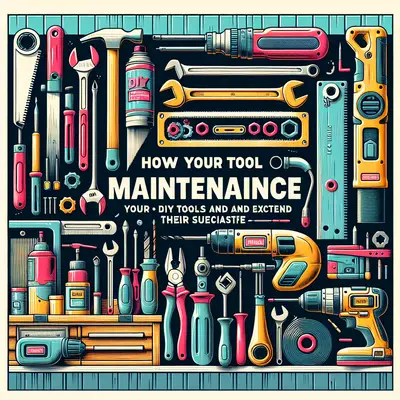
A bit of maintenance keeps your tools performing well and saves money over time. After each project, take a few minutes to wipe down dirty tools with a dry or slightly damp cloth, then dry them completely to prevent rust. For any tools with moving parts—like pliers, wrenches, and hinges—add a tiny drop of light machine oil to pivot points a few times a year.
Check cords on power tools and extension cords for nicks or damage; replace anything suspect instead of taping it and hoping for the best. Keep drill bits and cutting tools sharp; dull blades require more force and increase the chance of slips and accidents. Replace utility knife blades often—they’re cheap and make cutting safer and cleaner. Finally, do a quick inventory every few months: look for missing pieces, worn-out items to replace, and gaps that your last few projects revealed, then update your kit slowly and deliberately instead of impulse-buying.
Conclusion
A useful DIY tool kit doesn’t need to be huge or expensive—it needs to be intentional. By focusing on core tools, choosing quality over quantity, adding simple safety gear, and setting up a storage and maintenance routine, you’ll be ready for most everyday home projects without frustration. Start with what you actually need now, build slowly, and let your projects guide what you add next. Over time, you’ll not only have a reliable set of tools, but the confidence to tackle more ambitious fixes and improvements around your home.
Sources
- [U.S. Consumer Product Safety Commission – Power Tool Safety Tips](https://www.cpsc.gov/safety-education/safety-guides/tools-and-home-maintenance/power-tools) - Safety guidance for selecting and using power tools at home
- [Occupational Safety and Health Administration (OSHA) – Hand and Power Tools](https://www.osha.gov/hand-power-tools) - Official recommendations on safe tool use and maintenance
- [This Old House – Essential Tools for the Homeowner](https://www.thisoldhouse.com/tools/21015014/18-tools-every-homeowner-should-own) - Practical overview of core tools every homeowner should consider
- [Family Handyman – How to Start a Basic Tool Set](https://www.familyhandyman.com/project/basic-tool-set/) - Advice on building a starter tool kit without unnecessary extras
- [Lowe’s – How to Choose and Use a Power Drill](https://www.lowes.com/n/how-to/choose-and-use-a-power-drill) - Buying and usage tips for selecting an appropriate drill/driver
Key Takeaway
The most important thing to remember from this article is that this information can change how you think about Tools & Equipment.