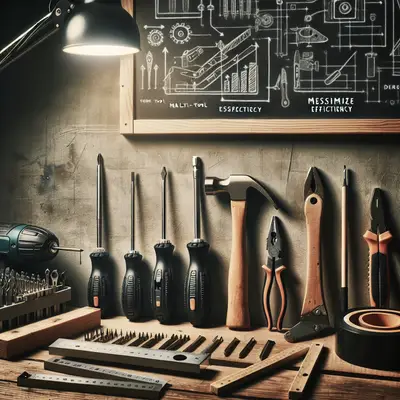
A well-planned tool station is the difference between smooth weekend projects and constant frustration. Instead of hunting for the right bit or losing your tape measure every ten minutes, you can build a compact setup that keeps everything visible, reachable, and ready to go. This guide walks you through designing and setting up a practical tool station in almost any space—garage, basement, spare closet, or even a corner of an apartment.
Plan Your Tool Station (Before You Move a Single Shelf)
Before you start hanging pegboard or buying bins, spend a few minutes figuring out what you actually need this tool station to do. Start by listing the projects you do (or want to do) most often—simple repairs, woodworking, painting, car maintenance, or furniture assembly. This tells you which tools must be front and center and which can live in deeper storage. Next, measure the space where your station will go: width, height, and depth. Check for outlets, lighting, and any obstructions like doors or low ducts. Sketch a simple layout on paper or in a notes app: one area for hand tools, one for power tools and chargers, one for hardware and small parts. Keep walkways at least 3 feet wide so you can move safely with materials in hand. Planning this upfront prevents buying the wrong organizers or overfilling a cramped space.
Step 1: Choose the Right Location and Work Surface
A functional tool station starts with a safe, sturdy location and a work surface that fits your space. Look for an area that’s dry, has at least one electrical outlet, and offers enough vertical wall space for storage. Avoid spots that get damp, like right next to a water heater drain or basement seepage areas, since moisture can rust tools and damage batteries. For the work surface, a simple workbench, heavy-duty folding table, or wall-mounted flip-down bench will do; the key is rigidity and height. Standard workbench height is around 34–36 inches, but adjust to your comfort—taller users may prefer closer to 38 inches. Make sure the surface can support the weight of tools and project materials; check the manufacturer’s weight rating if you’re buying a pre-made bench. Anchor freestanding benches to the wall if there’s any wobble; even a couple of lag screws into studs can stabilize things. Finally, ensure there’s enough room above the bench for task lighting and storage without hitting your head.
Step 2: Mount Safe, Stable Storage for Hand Tools
With your location set, start organizing the tools you reach for constantly: screwdrivers, pliers, wrenches, tape measure, utility knife, and squares. Pegboard, slotted wall panels, or a rail system are ideal over the work surface because they keep tools visible and off the bench. When mounting any wall system, locate the studs with a stud finder and mark them with painter’s tape. Use appropriate screws or lag bolts driven directly into the studs to support the weight of tools and panels; drywall anchors alone often fail over time when loaded. Plan the layout before you start driving screws: frequently used tools at eye level and within arm’s reach, heavier items lower, and sharp tools pointed safely downward or covered. Group tools by task—measuring and marking in one zone, fastening tools in another—so you can grab what you need quickly. Leave some open space for future tools; a crowded wall becomes hard to use and encourages clutter on your work surface. Step back and test the reach from your typical standing position to confirm you’re not overextending or twisting awkwardly.
Step 3: Create a Safe Charging and Storage Zone for Power Tools
Power tools and their batteries need a dedicated, organized spot both for safety and tool life. Choose a section of wall near an outlet and install a small shelf or cabinet to hold chargers and spare batteries off the bench. Use a surge-protected power strip rated for the load of multiple chargers, and mount it securely, following the manufacturer’s instructions and local electrical codes. Keep chargers spaced so batteries can vent heat; don’t stack batteries or cover them while charging. Below the charging shelf, install hooks, brackets, or a simple French cleat system to hang drills, drivers, and other handheld tools with their handles facing outward for easy grabbing. For corded tools, coil cords loosely and secure them with Velcro straps rather than tight wraps that can damage the internal wires. Post a simple rule for yourself: unplug tools and turn off the power strip when you’re done for the day, both for safety and energy savings. As your collection grows, label each charger and battery by tool type or voltage so you don’t mix incompatible systems.
Step 4: Organize Hardware and Small Parts You Actually Use
Loose screws, nails, anchors, and fittings can turn even the best tool station into a mess if you don’t contain them. Start by gathering all your small parts and sorting them into broad categories: wood screws, machine screws, drywall anchors, nails, picture hanging hardware, plumbing fittings, electrical parts, and so on. Invest in a few clear, lidded organizers or a small-parts cabinet with drawers; transparency is key so you can see contents at a glance. Label each bin or drawer with both size and use, such as “#8 x 1 ¼" wood screws – general” or “Drywall anchors – light duty.” Mount small-parts cabinets on the wall or set them on a shelf above or beside your work surface, not on it, to keep the bench clear. When buying hardware for a project, store leftovers in the appropriate labeled bin instead of tossing the entire blister pack into a random box. Once or twice a year, do a quick pass to discard bent nails, stripped screws, and random mystery fasteners that only add confusion. This simple system saves multiple trips to the store and speeds up every repair.
Step 5: Improve Lighting and Safety So You Can Work Confidently
Good lighting and basic safety measures make your tool station comfortable to use and reduce the chances of mistakes and injuries. If the area is dim, add LED shop lights or under-cabinet strips above your work surface; choose lights with a color temperature around 4,000–5,000K for a bright, neutral light that makes it easier to see markings and defects. Mount lights so they shine from in front of you or overhead, not from behind where they’ll cast your shadow onto the work. Dedicate a small section of wall or a shallow bin for personal protective equipment (PPE): safety glasses, hearing protection, dust masks or respirators appropriate for your projects, and work gloves. Keep a basic first aid kit within easy reach and check it periodically to replace used or expired items. Make sure flammable finishes, solvents, and spray cans live in a separate, ventilated cabinet, away from heat sources and out of direct sunlight. Lastly, keep a small, properly rated fire extinguisher nearby, and read the instructions so you know how to use it before you ever need it.
Step 6: Set Up a Simple Maintenance Routine for Tools and Station
A tool station only stays efficient if you maintain both the tools and the space on a regular basis. After each project, do a quick five-minute reset: return hand tools to their specific hooks, sweep or vacuum the work surface and floor, and empty any shop vac or dust collection containers if they’re getting full. Wipe down metal tools with a lightly oiled cloth if you work in a humid area, focusing on exposed steel surfaces to prevent rust. Check power tool cords for nicks or damage and address issues promptly—either repair with proper techniques or replace the cord or tool as needed. Once every few months, test your battery chargers and batteries: discard or recycle any that overheat, won’t hold a charge, or show visible damage following local e-waste guidelines. Reevaluate your layout at least twice a year; if you notice certain tools constantly end up on the bench, give them a dedicated, more convenient home. This light but consistent maintenance keeps your station functional, safe, and ready whenever a new project comes up.
Conclusion
A compact, well-designed tool station doesn’t require a massive garage or professional workshop. By choosing the right location, anchoring stable storage, dedicating a safe charging zone, taming hardware, and improving lighting and safety, you build a setup that makes every DIY job smoother and less stressful. Add a quick maintenance routine and your tools will be easy to find, ready to use, and far more likely to last. Once your station is dialed in, you can spend less time searching and more time actually fixing, building, and improving your home.
Sources
- U.S. Consumer Product Safety Commission – Power Tool Safety Tips - Guidance on safe use and setup considerations for common power tools
- Occupational Safety and Health Administration (OSHA) – Hand and Power Tools - Safety standards and best practices for tool use and work areas
- Family Handyman – How to Build a DIY Garage Workbench - Practical examples of workbench dimensions, stability, and layout
- Lowe’s – Garage Storage and Organization Ideas - Suggestions for wall systems, small parts storage, and space planning
- Energy Star – Choosing and Using LED Lights - Information on LED lighting types, brightness, and color temperature for work areas
Key Takeaway
The most important thing to remember from this article is that this information can change how you think about Tools & Equipment.