If you’ve ever lost 20 minutes hunting for a tape measure, you already know: tools don’t just need to be strong—they need to be easy to find, use, and put away. Smart storage turns a random pile of gear into a reliable setup you can trust on every project. This guide walks through practical, step‑by‑step routines and setups that help DIYers get more done with the tools they already own.
Start With a “Core Tools” Zone
Before you think about fancy storage systems, lock in one simple rule: the tools you use most should be the easiest to reach.
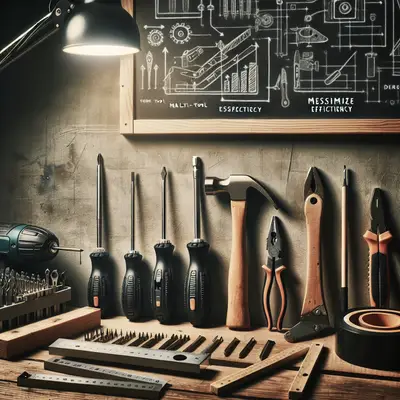
Create a “core tools” zone—one shelf, drawer, or wall section that holds the gear you grab on nearly every job: tape measure, utility knife, pencil, drill/driver, drill bits, screwdriver set, pliers, level, and safety glasses. Keep this zone near where you usually start projects (garage entrance, basement door, or a hallway closet if you’re in an apartment).
Limit the zone to essentials only. If it’s overflowing, you’re mixing in tools you don’t use weekly. The goal is muscle memory: you should be able to reach for a drill bit or a pencil without thinking about where it lives. Once this “everyday carry” area is reliable, the rest of your storage system can be more flexible without slowing you down.
Step 1: Sort Tools by “When You Use Them,” Not Just Type
Most people sort tools by category (all pliers together, all wrenches together). That’s fine—but sorting by how and when you use them is usually more practical for DIY at home.
Do this:
- Clear a workspace (table, bench, or floor) and empty one main tool bin, drawer, or bag.
Make three quick piles:
- Every project: tape measure, pencil, utility knife, drill/driver, basic bits, common screwdrivers. - Regular, but not daily: stud finder, clamps, pry bar, socket set, sanding block, paint tools. - Occasional or specialty: tile tools, plumbing tools, specialty fasteners, electrical testers. 3. As you sort, remove duplicates you never use, broken items, and mystery parts. Toss or recycle what’s beyond saving. 4. Pack the “every project” pile into your core tools zone or a dedicated grab‑and‑go bag. 5. Store “regular” and “specialty” tools in clearly labeled boxes, bins, or drawers (we’ll organize those further in later steps).
This approach makes your everyday gear faster to find and cuts down the mental load of wondering, “Where did I leave that one thing?” You’re sorting based on real use, not just textbook categories.
Step 2: Build a Simple Wall System (Even in Small Spaces)
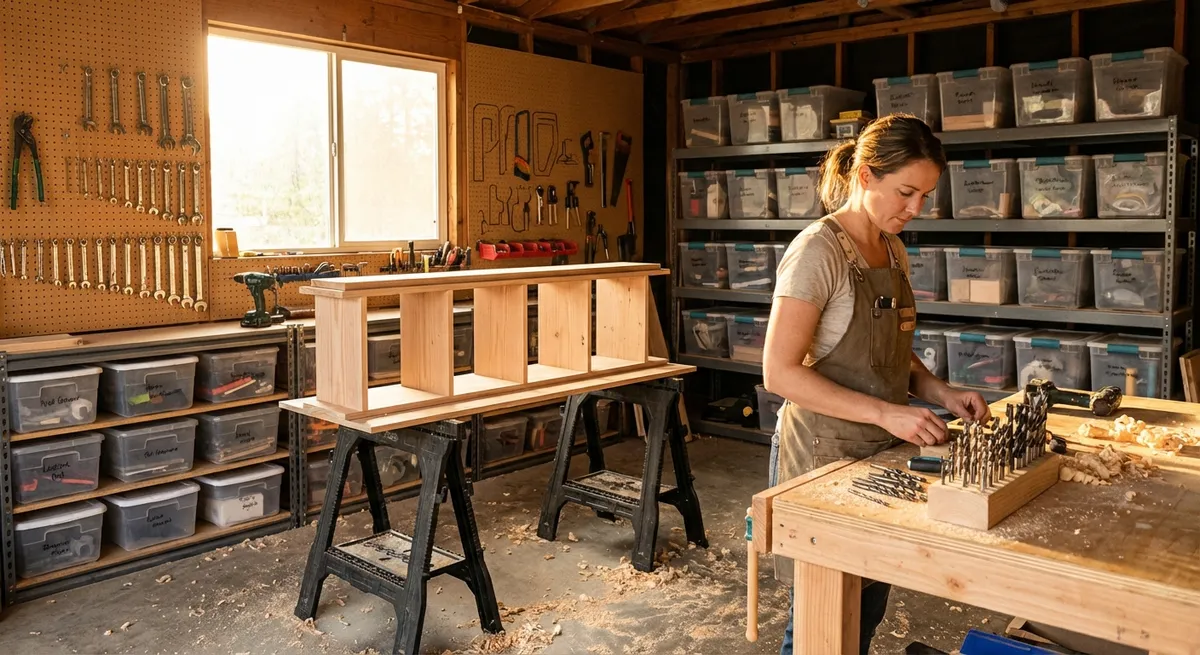
A wall system is one of the most efficient ways to store tools because you can see everything at once. This doesn’t require a full workshop—just a few feet of clear wall.
Set up a basic wall system:
Choose your base:
- Pegboard: cheap, easy to cut, and great for light‑ to medium‑weight tools. - French cleats: wood strips at 45°; good for heavier tools and flexible layouts. - Track rail system: pre‑made rails with hooks/brackets; convenient but pricier. 2. Find studs using a stud finder and mark them. Use appropriate anchors if you can’t hit every stud, especially for lighter sections. 3. Mount the board or rail with screws rated for the load. For pegboard, add spacers or furring strips behind it so hooks can pass through. 4. Start with your most-used wall tools: hammer, level, handsaw, common pliers, and clamps. Put these at about chest to eye level.
Group tools by use:
- Measuring and layout in one cluster - Cutting tools in another - Gripping and fastening together 6. Label sections with a marker or tape so every empty space has a “home” and family members know where to put things back.
If you’re in a rental or have limited space, mount a small pegboard panel to a piece of plywood and hang it with heavy‑duty picture hooks or a French cleat so you can take it with you when you move.
Step 3: Turn Plastic Bins and Cases Into a Real System
Most DIYers end up with a stack of random plastic bins and tool cases. They’re useful, but only if you can tell what’s inside instantly.
Turn containers into a proper system:
- Gather all your small storage: bins, organizers, drill bit cases, fastener boxes, and those random coffee cans of screws.
Assign each container a single category, for example:
- Wood screws - Drywall anchors and screws - Electrical supplies (wire nuts, outlets, switches) - Plumbing repair parts - Sandpaper and abrasives
Upgrade the labels:
- Use painter’s tape and a marker or a label maker. - Label on the front and top so it’s readable whether stacked or shelved. 4. Standardize sizes where possible: stacking bins of similar size save space and keep things tidy.
Create a “project box” habit:
- For an upcoming job, pull needed fasteners and small parts into one temporary bin or tray. - After the project, return extras to their labeled home and empty the project box.
This reduces “I know I bought screws for this somewhere” moments and keeps project clutter from spreading across your workspace.
Step 4: Set Up a Mobile Tool Kit for Work Around the House
Walking back to the garage six times during a job is a motivation killer. A small mobile kit keeps your core tools and key add‑ons with you as you move from room to room.
Build a mobile setup that fits your space:
Choose a carrier:
- Small tool bag or open‑top tote for houses. - Stacking modular tool boxes if you have a lot of gear. - Compact backpack if you’re in an apartment or climbing stairs often. 2. Load your core tools (from Step 1): tape measure, utility knife, pencil, drill/driver, standard bits, multi‑bit screwdriver, pliers, adjustable wrench, level, safety glasses.
Add room‑repair essentials:
- Assorted screws and wall anchors - Stud finder - Painter’s tape - Small container of nails and picture hooks
Add a mini power kit if you use cordless tools:
- One spare battery - Charger stationed in a fixed spot (garage shelf or dedicated outlet)
Keep this kit 90% ready at all times:
- After each job, spend 2–3 minutes putting tools back into the same spots. - Return the bag to a dedicated “parking place” near the door or main work area.
With this in place, you don’t need to “gear up” from scratch each time a small fix pops up—you just grab the kit and go.
Step 5: Create a Quick Maintenance Routine for Your Tools
Tools last longer and work better with minimal but consistent care. A basic routine saves money on replacements and keeps your equipment ready when you need it.
Build a simple maintenance habit:
After dusty or dirty work (drywall sanding, outdoor cutting), take two minutes to:
- Wipe tools with a dry or lightly damp cloth. - Blow dust out of vents on power tools with compressed air or a small brush.
Once a month, do a short check of your most-used tools:
- Look for frayed cords, cracked housings, or loose parts on power tools. - Check drill bits and driver bits for rounding or chipping. - Lightly oil hand tools that pivot (pliers, snips) with a drop of light machine oil.
Sharpen or replace:
- Dull utility knife blades: snap or replace blades regularly; don’t fight with a dull one. - Wood chisels and plane blades if you use them: a basic sharpening stone is enough for casual DIY. - Worn screwdriver bits: they’re cheap and will slip more once rounded.
Battery care (for cordless tools):
- Store batteries in a cool, dry place—not in direct sun or on a car floor. - Avoid fully draining lithium‑ion batteries; recharge when you notice a power drop.
Keep a “repair or replace” box:
- Put broken or questionable tools in one spot instead of back into general storage. - Once a month, decide whether to fix, recycle, or replace them.
These small steps prevent sudden tool failures in the middle of projects and extend the life of what you already own.
Conclusion
A powerful tool collection isn’t just about what you buy—it’s about how you store, move, and maintain what you already have. By setting up a core tools zone, using simple wall storage, taming bins and cases, building a mobile kit, and following a quick maintenance routine, you turn your gear into a system instead of a pile. That system makes every project smoother, faster, and less frustrating—no extra gadgets required, just better habits.
Sources
- OSHA: Hand and Power Tools Safety - Official guidance on safe use and care of tools, including inspection and maintenance basics.
- Family Handyman – Tool Storage Ideas - Practical examples of wall systems, pegboard setups, and small-parts organization.
- This Old House – How to Store Tools - Tips and strategies for organizing and storing tools in garages and workshops.
- Home Depot – Power Tool Care and Maintenance - Manufacturer-backed recommendations for keeping power tools clean and in good working order.
- Lowe’s – Workshop Organization Ideas - Suggestions for layout, wall storage, and tool access in small and large workspaces.
Key Takeaway
The most important thing to remember from this article is that this information can change how you think about Tools & Equipment.