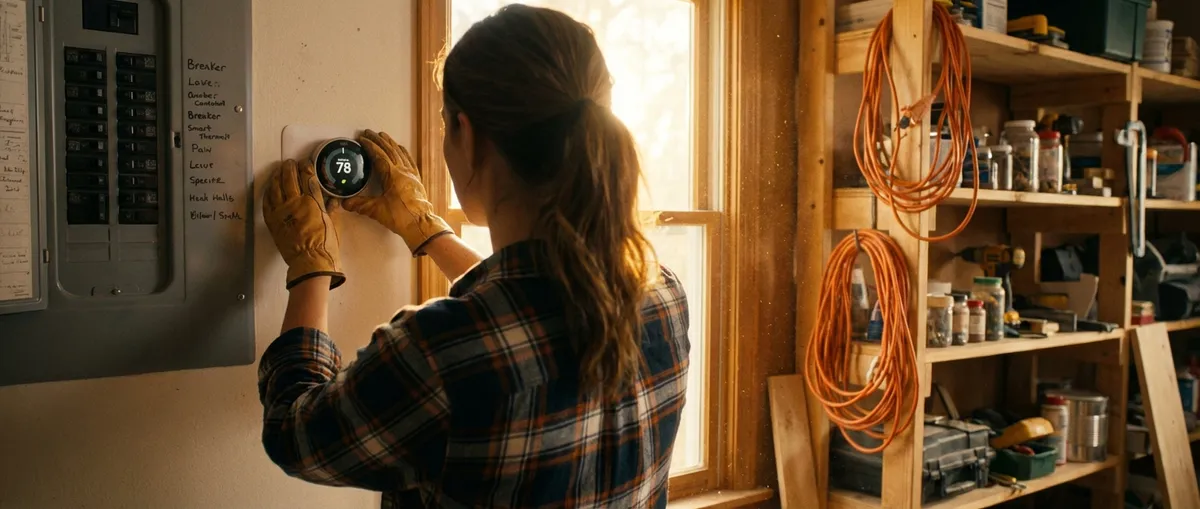
Weekend projects don’t have to mean tearing out walls or buying specialty tools you’ll never use again. With some planning and a focused approach, you can knock out small DIY builds that actually make your home work better, feel more organized, and even boost resale appeal. This guide walks through five practical, step‑by‑step projects designed for typical tools and skill levels—even if you’re still building confidence with a drill.
Each project is chosen because it solves a real problem: clutter, wasted space, poor lighting, or lack of organization. Pick one for your next weekend, or work through them over a few months as you build your skills.
Project 1: Install a Simple Wall-Mounted Storage Rail
A storage rail system is one of the easiest ways to reclaim floor space in an entry, hallway, laundry room, or mudroom. It gets coats, bags, and gear off the ground and onto the wall—without building full cabinetry.
Step 1: Choose the Location and Measure
Look for a stretch of wall near the entry point where clutter usually piles up (doorway, garage entry, or laundry room).
- Measure the width of the wall and note any obstacles: outlets, light switches, trim, or baseboard heaters.
- Mark the approximate height: 66–70 inches above the finished floor for adult use; lower if you want kids to access their hooks.
- Use painter’s tape to mark the top edge of the rail so you can visualize how it will look.
Step 2: Find Studs and Plan Your Fastening Points
A loaded storage rail needs solid anchoring.
- Use a stud finder to locate studs along the wall; mark their centers lightly with a pencil.
- Plan for at least two screws into studs, ideally three if the wall is wide enough.
- If stud locations don’t align well with your hardware, plan to use high-quality wall anchors rated for the expected load.
Step 3: Pre-Drill the Rail and Prep Hardware
Whether you’re using a store-bought system or a simple wooden board with hooks:
- Mark screw locations on the rail corresponding to the stud marks.
- Pre-drill screw holes slightly smaller than your screw diameter.
- If using a wood board, sand edges and consider sealing or painting before installation to avoid mess later.
Step 4: Level and Secure the Rail
This step makes the difference between “DIY” and “looks pro.”
- Hold the rail in place at your marked height.
- Place a level on top and adjust until the bubble is centered.
- Have a helper hold the rail or use temporary screws/cleats to support it.
- Drive in the center screw first (into a stud), check level again, then install the remaining screws.
Step 5: Add Hooks and Test Load
Now turn the rail into usable storage.
- Install hooks or hang the manufacturer’s accessories along the rail.
- Start with lighter loads: hats, empty bags, or a single coat per hook.
- Gradually add weight and check for movement or sagging.
- If anything feels loose, reinforce with additional screws or better anchors before fully loading.
Project 2: Upgrade a Room with Plug-In Sconce Lighting
Hardwiring fixtures can be advanced DIY; plug-in sconces are a simpler way to improve light quality and style without opening walls.
Step 1: Decide on Function and Placement
Good lighting is about purpose.
- Identify the room’s need: reading light by a chair, bedside lighting, or accent lighting in a hallway.
- Determine height: typically 60–66 inches from floor to center of the fixture, adjusted for furniture height.
- Check nearby outlets: make sure your chosen spot can reach power without stretching the cord dangerously.
Step 2: Mark the Mounting Location
Keep both function and appearance in mind.
- Sit or stand where you’ll use the light and adjust your planned height for comfortable brightness (not shining directly into eyes).
- Use painter’s tape to outline the backplate of the sconce on the wall.
- Mark the center point and any mounting screw positions, following the manufacturer’s template if included.
Step 3: Install Wall Anchors or Use Studs
You want the fixture to stay put, especially if it might get bumped.
- Test for a stud with a stud finder; if you hit one, you can usually screw directly into the stud.
- If no stud, drill pilot holes and insert appropriate wall anchors (toggle or expansion anchors are typical for drywall).
- Verify anchors are flush and secure before hanging the fixture.
Step 4: Mount the Fixture and Manage the Cord
Clean cord management makes it look intentional instead of temporary.
- Attach the mounting bracket (if provided), then secure the sconce to the wall with the included screws.
- Plug in the fixture and check that it turns on and off properly.
- Use cord clips, adhesive cable channels, or paintable raceways to route the cord neatly down to the outlet.
- If desired, use a plug-in dimmer to gain better control over brightness.
Step 5: Choose the Right Bulb and Test Lighting
Bulb choice affects comfort and how colors look.
- Use LED bulbs with a color temperature between 2700K–3000K for warm, homey light.
- Check the fixture’s maximum wattage and do not exceed it.
- Turn on the light at night and test: can you read comfortably, see faces clearly, or enjoy the accent glow as intended?
- Adjust bulb brightness or shade type if the light is too harsh or too dim.
Project 3: Build a Simple Under-Sink Cleaning Caddy System
Under-sink areas often become catch-all piles. A simple caddy system turns that space into an organized cleaning base you can grab and go.
Step 1: Empty, Clean, and Inspect the Space
Start fresh so you don’t organize around existing problems.
- Remove everything from under the sink.
- Check for leaks, water stains, or mold; if you find any issues, address them before organizing.
- Wipe surfaces with a mild cleaner and let them dry completely.
- Measure width, depth, and height; note obstacles like the drainpipe, garbage disposal, or water lines.
Step 2: Choose the Right Caddy and Bins
Portability is key.
- Select a handled cleaning caddy that fits your measurements and can hold core supplies: all-purpose cleaner, glass cleaner, scrub brush, microfiber cloths, etc.
- Add one or two small bins or low baskets for extras: dishwasher pods, trash bags, sponges.
- If you share the home, consider color-coding: one caddy for kitchen-only supplies, another for bathroom use.
Step 3: Add a Simple Sliding or Raised Platform
Getting items off the cabinet floor makes them easier to reach and keeps them dry if there’s a minor leak.
- Consider a low, plastic shelf riser or a shallow, sliding basket that fits within your dimensions.
- Place risers in the back for items you don’t grab often, and keep the caddy in front for quick access.
- Check that the cabinet door closes fully with everything in place.
Step 4: Sort and Refill with Intention
This step is where you gain everyday efficiency.
- Toss expired or nearly empty containers you never use.
- Fill the caddy with only what you actually use weekly.
- Reserve the rear or side bins for bulk items or refills.
- Keep hazardous cleaners in child-safe containers or add a simple child lock to cabinet doors if kids are in the home.
Step 5: Label and Create a Simple Restock Habit
Organization only works if it’s maintained.
- Lightly label bins (“Daily Use,” “Refills,” “Dish Supplies”) to help everyone return items correctly.
- Once a month, do a 2-minute check: toss empties, wipe spills, and note what needs restocking.
- Over time, adjust what lives in the caddy so you’re not hauling around supplies you rarely use.
Project 4: Add a Plywood Top to Create a Sturdy Utility Work Surface
A basic, flat work surface is the foundation for many DIY and home projects. Turning a pair of cabinets, sawhorses, or an old table base into a solid work surface is low-cost and high-value.
Step 1: Plan the Size and Support
Think about what you’ll use this surface for: crafts, light repairs, potting plants, or heavier DIY work.
- Measure the base supports (e.g., two cabinets or sawhorses) for width and length.
- Add at least 2–3 inches of overhang on each side for clamping space.
- Confirm the base is stable: level, not wobbly, and strong enough to hold your planned loads.
Step 2: Choose the Right Plywood and Edge Treatment
Material choice impacts durability and cost.
- For most home utility tops, 3/4-inch (19mm) plywood is a good balance of strength and weight.
- Choose a higher-grade plywood (e.g., birch or sanded pine) if you want a smoother surface.
- If edges will be exposed and used often, consider adding simple edge banding or sanding thoroughly to remove splinters.
Step 3: Cut, Sand, and Seal the Surface
If you don’t have tools to cut plywood, many home centers will cut to size.
- Mark your cut lines clearly and double-check measurements.
- After cutting, sand all surfaces and edges with medium-grit sandpaper, then finish with fine-grit for a smoother feel.
- Seal the top with a durable finish: polyurethane, water-based clear coat, or even exterior-grade sealer for garage or outdoor use.
Step 4: Secure the Top to the Base
You want the top to feel solid but removable if needed.
- Position the plywood on the base and confirm overhang is even on all sides.
- From underneath, pre-drill small pilot holes through the base into the plywood (without penetrating the top surface).
- Use wood screws long enough to grab the plywood securely, spaced roughly every 12–16 inches along supports.
- For temporary setups, use clamps or non-slip pads instead of screws so the top can be removed.
Step 5: Add Simple Upgrades for Usability
A few small touches make the surface more functional.
- Mount a power strip along the side or underneath for tools, chargers, or a work light.
- Add a shallow tray or magnetic strip to keep pencils, bits, and fasteners from rolling away.
- If you’ll use cutting tools on it, keep a sacrificial cutting board or mat to protect the surface.
Project 5: Create a Basic Paint Touch-Up Kit and Wall Repair Station
Small dings, nail holes, and scuffs are easy to fix if your supplies are ready. A dedicated touch-up kit saves time and helps your walls look well-maintained.
Step 1: Gather and Label Current Paints
Color matching later is harder than organizing now.
- Locate all leftover paint cans in your home.
- On each can, clearly label the room name, wall location (e.g., “Living Room – main walls”), and finish type (eggshell, satin, semi-gloss).
- If cans are rusty or nearly empty, pour the usable paint into smaller, sealable containers or mason jars and re-label.
Step 2: Assemble Core Repair Tools
A small set of tools will handle most minor wall issues.
- Put together: lightweight spackle, a flexible putty knife, fine-grit sandpaper (120–220), a small sanding block, painter’s tape, and a microfiber cloth.
- Include a few small, quality brushes (1–2 inches wide) and/or a mini roller with extra sleeves.
- Store everything in a plastic bin, shoebox-sized tote, or small tool bag.
Step 3: Repair Nail Holes and Small Dents
This is basic but makes a big visual difference.
- Clean the area around the hole or dent with a dry cloth to remove dust.
- Apply a small amount of spackle with the putty knife, pressing it into the hole and smoothing the surface flush with the wall.
- Let it dry according to package instructions, then sand lightly until smooth and level with surrounding paint.
- Wipe off dust with a barely damp cloth and let dry before painting.
Step 4: Touch Up Paint the Right Way
Blending matters more than the exact brush you use.
- Stir the paint thoroughly; color can shift in stored cans if not mixed.
- Use a small brush or mini roller to apply a thin coat over the repaired area, feathering the edges into the existing paint.
- For larger spots, lightly extend your paint beyond the repair in an irregular shape rather than a hard-edged square or circle—this helps it blend.
- Let dry and apply a second thin coat if needed.
Step 5: Store the Kit for Fast Future Use
Easy access keeps you from putting off simple fixes.
- Keep the touch-up kit in a central closet or utility area, not buried in the garage.
- Store paint in a cool, dry area away from extreme heat or freezing temperatures.
- Once a year, open and check paint for spoilage (bad odor, separation that doesn’t mix back in) and replace if needed.
- Make it a habit to patch and touch up when you remove decor or rearrange photos, so walls stay in good shape over time.
Conclusion
DIY projects don’t have to be massive to be meaningful. A wall-mounted rail that clears clutter, better lighting in the spaces you actually use, a functional under-sink caddy, a solid work surface, and a ready-to-go repair kit all focus on the same thing: making your home easier to live in every day.
As you complete projects like these, you’ll build skills, confidence, and a more efficient home at the same time. Start with the project that solves the most annoying problem in your space, work through each step methodically, and treat every build as practice for the next one.
Sources
- [U.S. Department of Energy – Lighting Choices to Save You Money](https://www.energy.gov/energysaver/lighting-choices-save-you-money) - Guidance on efficient lighting, bulb types, and brightness considerations for homes.
- [Consumer Product Safety Commission – Anchor It!](https://www.cpsc.gov/anchorit) - Safety information on anchoring items to walls, including best practices for securing storage and fixtures.
- [Family Handyman – How to Use a Stud Finder](https://www.familyhandyman.com/project/how-to-use-a-stud-finder/) - Practical tutorial on accurately locating studs for safe and secure wall mounting.
- [Lowe’s – How to Patch and Repair Drywall](https://www.lowes.com/n/how-to/how-to-patch-and-repair-drywall) - Step-by-step instructions for filling holes, sanding, and preparing walls for paint.
- [The Home Depot – Plywood Buying Guide](https://www.homedepot.com/c/ab/plywood-buying-guide/9ba683603be9fa5395fab901e6bc412) - Overview of plywood types, thicknesses, and common uses for home projects.
Key Takeaway
The most important thing to remember from this article is that this information can change how you think about DIY Projects.