Buying tools can feel like guesswork: too cheap and they break, too expensive and you never recoup the cost. This walkthrough keeps it simple. You’ll learn how to choose tools that actually match the projects you do, how to avoid common buying traps, and how to keep what you own working longer. Use this as a practical guide before you click “add to cart” or walk into the tool aisle.
Start With Projects, Not Products
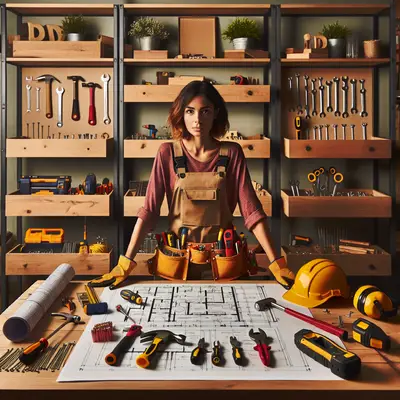
Before looking at brands or sales, get clear on what you’re actually going to do in the next 6–12 months. Tools should serve projects, not the other way around.
Think in terms of project “types” instead of random one-off jobs. For example: basic home maintenance (tightening hinges, hanging shelves), light carpentry (building a simple bench, fixing trim), or outdoor work (fence repair, deck maintenance). Each type of work leans on a small group of core tools. When you start from your real project list, you’re less likely to buy gear you’ll never use.
Also pay attention to materials you’ll work with most: drywall, softwood, hardwood, masonry, metal, or plastic. Different materials can change what bits, blades, or even motor power you need. This kind of planning doesn’t have to be complicated—just write down a short list of likely tasks and refer to it while reading tool specs.
Step 1: Decide Between Corded and Cordless the Right Way
Cordless tools are everywhere, but they’re not always the best or cheapest choice. Decide tool-by-tool, not “team cordless” vs. “team corded.”
Cordless shines when you move around a lot, work in tight spaces, or don’t have easy outlet access—like outdoor work, attic projects, or tasks on a ladder. Corded still wins for long, continuous tasks like sanding a whole room, ripping a lot of lumber, or mixing mortar where you don’t want to stop to swap batteries.
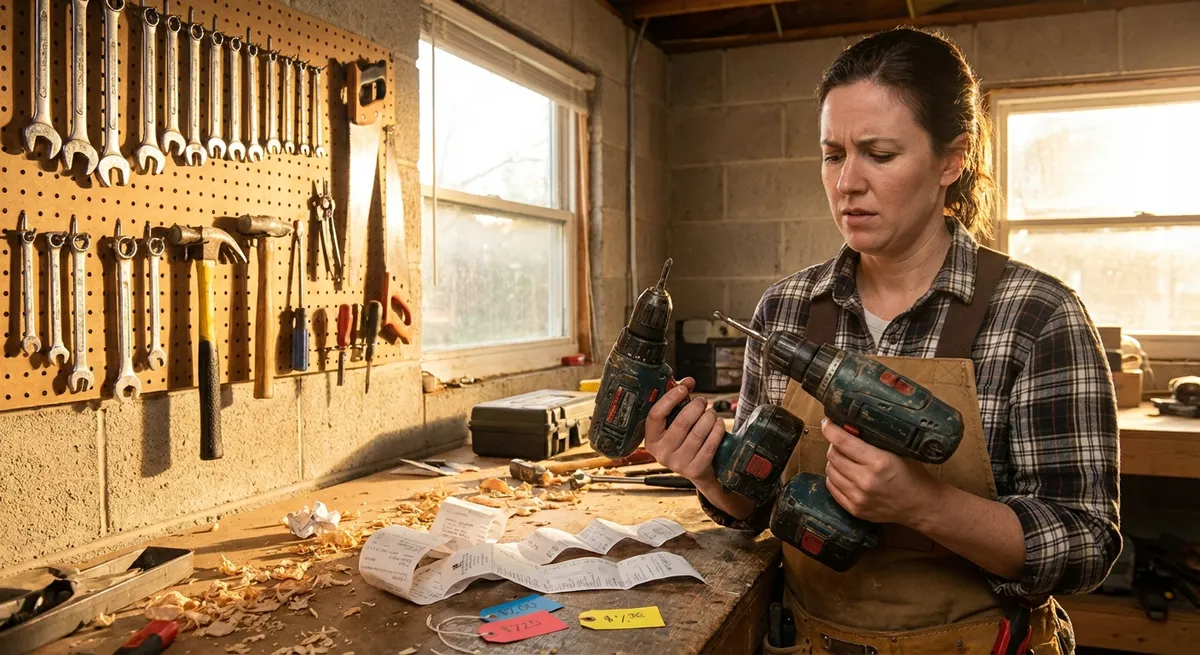
Batteries are a long-term cost. Look at the price of extra batteries and chargers before you commit to any “platform.” A cheap drill with an expensive battery ecosystem can cost more over 3–5 years than a higher-end corded drill you plug into the wall.
If you’re just starting, it often makes sense to choose one major cordless platform (for drill/driver, impact driver, maybe a saw) and keep high-draw or less-used tools corded (like a random orbital sander or corded circular saw).
Action tip: For every tool you’re considering, ask: “Will I use this mainly in one place near an outlet, or everywhere around the house?” Use that answer to pick corded vs. cordless.
Step 2: Read Tool Specs Like They Actually Mean Something
Tool packaging is full of numbers. Only a few matter for most DIYers, and once you know what they are, comparisons become easier and less confusing.
For drills and drivers, pay attention to torque (how much twisting force it can apply), RPM ranges (speed), and clutch settings. A good DIY drill/driver will typically have at least 2 speed ranges, a decent number of clutch settings, and a 3/8" or 1/2" chuck that grips bits firmly. For impact drivers, look at torque and impacts per minute; they’re better at driving long or stubborn screws than drilling holes.
For circular saws, motor power (amps for corded, voltage and battery size for cordless) and blade size are key. A typical DIY circular saw uses a 7-1/4" blade, which can handle normal framing and sheet goods. For sanders, look at the type (random orbital for general use, belt sander for aggressive material removal) and dust collection options—better dust control makes your work cleaner and safer.
Weight and balance matter too. A “better” tool on paper is useless if it’s awkward or exhausting to hold. Whenever you can, hold the tool in-store. It should feel stable, not nose-heavy, and your hand should fit the grip without strain.
Action tip: Compare only 2–3 critical specs per tool type and ignore the marketing buzzwords. That keeps decisions simple and focused on what affects actual use.
Step 3: Check Build Quality Without Being an Expert
You don’t need technical training to tell if a tool is built well enough for home projects. You just need to know what to look and feel for.
Start with the housing: look for solid-feeling plastic or metal with tight seams and no flex when you grip it firmly. Buttons and switches should click positively, not feel mushy or loose. On corded tools, a thick, flexible cord with a good strain relief (the reinforced area where the cord meets the tool) is a sign of better construction.
For moving parts—chucks, depth stops, adjustment levers—operate them several times. A drill chuck should tighten smoothly and hold bits without slipping. A circular saw should let you adjust the bevel and depth without needing a second hand to “coax” it into position; the locks should clamp firmly. Sanding pads should feel secure, not wobbly.
Noise and vibration matter too. All power tools make noise, but a harsh, rattly sound or strong, uneven vibration can signal poor bearings or cheap components. Over time, that adds fatigue and can shorten the tool’s life.
Action tip: In-store, handle each tool like you already own it: pick it up, adjust it, squeeze the trigger (if allowed). If anything feels flimsy or awkward now, it won’t get better at home.
Step 4: Plan Consumables and Accessories Before You Buy
The tool itself is only part of the cost. Blades, bits, sandpaper, and batteries often add up to more than the tool over its lifetime.
For any saw, check what blades it uses and what a good replacement costs. A cheaper saw that needs odd or hard-to-find blades will frustrate you quickly. For drills and drivers, look for standard bit sizes and a common chuck type so you’re not locked into proprietary accessories.
Sanding tools are the classic “hidden cost” trap. Random orbital sanders use discs with specific hole patterns; buy a common pattern so you can find affordable discs everywhere, not just from one brand at a premium price. The same goes for jigsaws—T-shank blades are far more common now than U-shank in many regions.
Also think about storage and organization. A tool that comes with a usable case or stackable box can save you from buying extra storage later. Good storage keeps tools dry, protected, and easy to find, which reduces accidental damage and lost time.
Action tip: Before you buy, look up the cost of 2–3 key accessories (blades, bits, discs, or batteries) for that tool. If the accessories are rare or overpriced, reconsider.
Step 5: Build a Simple Maintenance Habit That Protects Your Investment
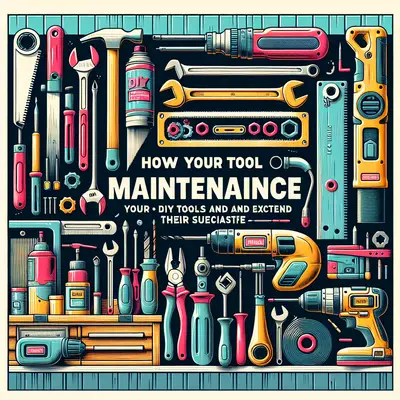
A few minutes of care after each project can easily double the life of many tools.
After dusty jobs (cutting wood, sanding, drilling into drywall), wipe down the tool with a slightly damp cloth and then a dry one. Use a small brush or compressed air (keep it gentle and short bursts) to clear vents and moving parts. Dust and debris cause overheating and premature wear, especially in motors and switches.
Check cords and batteries. For corded tools, look for nicks, crushed spots, or loose plugs. Damaged cords are a safety risk and should be repaired or replaced before the next use. For cordless tools, avoid leaving batteries in extreme heat or cold, and don’t store them fully discharged. Most lithium-ion batteries last longer if you keep them around 40–60% charge when stored for weeks.
Moving parts may need occasional lubrication—read the manual to see what’s recommended. Never add oil where it doesn’t belong (like inside electric motor vents). Inspect bits and blades regularly; dull edges strain the tool and make your work more dangerous and less accurate.
Action tip: After each project, add a 5-minute “tool reset”: quick clean, quick visual inspection, and put everything back in its place. This small routine protects your gear and saves time on the next job.
Conclusion
The best tools are the ones that fit what you actually do, hold up under normal use, and don’t trap you in an expensive cycle of batteries and accessories. When you match tools to projects, focus on a few key specs, check build quality with your hands and eyes, plan for consumables, and stick to simple maintenance, your setup becomes more reliable and less expensive over time.
Use this guide before your next purchase. With a clear plan, you’ll spend less, own better tools, and be ready for the home projects you actually care about—not the ones the marketing promises.
Sources
- Consumer Reports – Power Tool Buying Guide - Overview of what to look for when buying different categories of power tools
- OSHA – Hand and Power Tools Safety - Authoritative guidance on safe use and maintenance of tools
- Lowe’s – Power Tool Buying Guide - Retail-focused breakdown of corded vs. cordless, common tool types, and features
- Home Depot – Cordless Power Tool Battery Buying Guide - Explains battery platforms, voltage, and long-term cost considerations
- Family Handyman – Extend the Life of Your Tools - Practical tips on cleaning, storage, and basic tool maintenance
Key Takeaway
The most important thing to remember from this article is that this information can change how you think about Tools & Equipment.