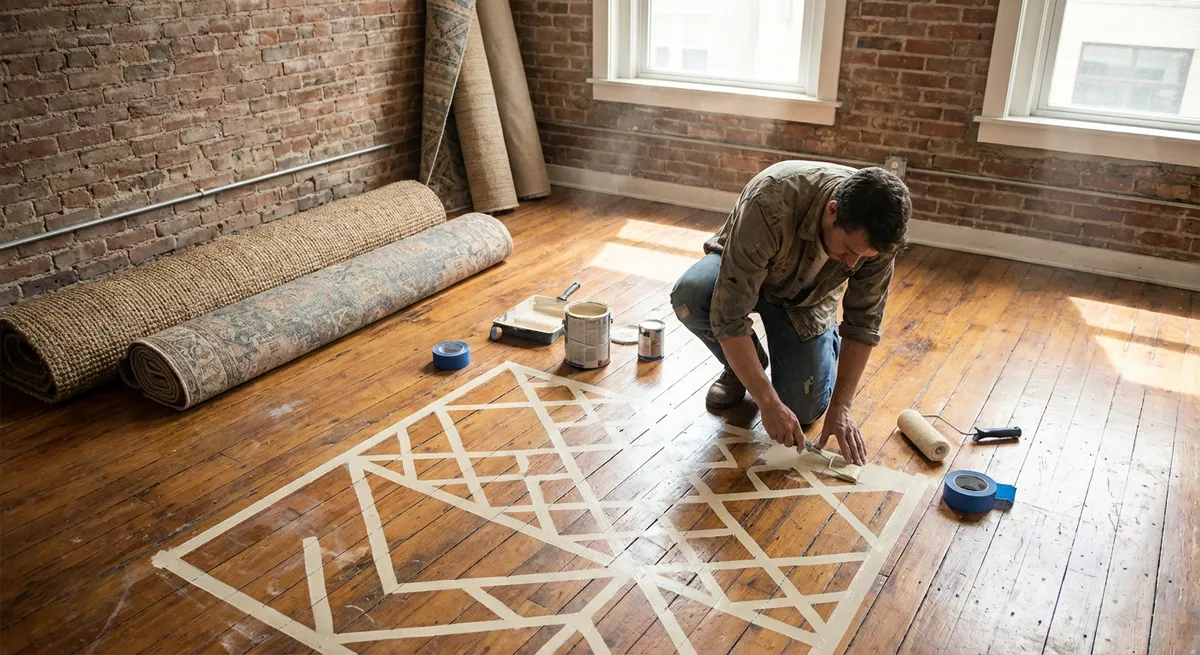
Old floors don’t always need to be ripped out to look and feel new. With the right prep and a focused weekend plan, you can refresh tired hardwood, laminate, or vinyl floors and extend their life—without the cost and mess of a full replacement.
This guide walks you through a practical, step-by-step process to evaluate, repair, and refinish or refresh existing floors so they’re safer, easier to clean, and better looking.
Step 1: Inspect Your Floors Like a Pro
Before picking up a sander or paintbrush, you need to know what you’re working with and what problems you’re actually solving.
Look for:
- Movement and squeaks – Walk slowly across the room. Note any soft spots, squeaks, or bouncing. These may point to loose fasteners or subfloor issues.
- Surface damage – Identify scratches, dents, stains, and worn finish. Light scuffs usually need only a surface refresh; deep gouges may need filler or board replacement.
- Water damage – Check around sinks, fridges, dishwashers, toilets, and exterior doors for swelling, cupping, or dark stains. Probe gently with a screwdriver; soft wood may indicate rot.
- Gaps and transitions – Note gaps between boards, popping nails, or loose threshold strips at doorways.
- Material type – Confirm whether you have solid hardwood, engineered wood, laminate, vinyl plank, sheet vinyl, or tile. Your repair and finishing options depend on this.
Take photos and jot down issues by area (e.g., “entry: deep scratches; hallway: squeaks near vent”). This quick “floor map” will guide what fixes you tackle and what products you buy.
Pro tip: If you’re unsure what type of flooring you have, remove a floor register cover or threshold and look at the material from the side. Solid wood shows continuous grain; engineered wood has a thin top layer; laminate and vinyl often show a printed layer or composite core.
Step 2: Fix Squeaks, Soft Spots, and Minor Structural Issues
A floor that looks good but creaks or moves underfoot won’t feel like an upgrade. Address movement before you touch the surface.
Access from below (ideal scenario)
If you have a basement or crawlspace:
- Locate the squeak: Have someone walk above while you listen below.
- Reinforce loose subfloor: Where you see movement between joists and subfloor, use construction adhesive along the joint and add screws up into the subfloor (avoid screwing through the finished floor).
- Add blocking: For bouncy areas, install short pieces of 2x lumber between joists (“blocking”) to stiffen the floor structure.
Fix from above (when you can’t access underneath)
- Use trim screws: For squeaky hardwood or engineered floors, drive trim-head screws through the flooring into the subfloor/joist. Countersink slightly below the surface, then fill and touch up.
- Specialty squeak kits: Products like Squeeeeek-No-More use breakaway screws designed for hardwood or carpeted floors, letting you secure the floor with minimal visible damage.
- Stabilize laminate or floating floors: Check expansion gaps around the room’s perimeter. Floors that are tight against walls or trim can bind and creak. Carefully trim baseboard shoe molding if needed to restore a small expansion gap.
Pro tip: Mark joist locations on the walls or use a stud finder with deep-scan mode to target screws into joists instead of randomly screwing into the subfloor.
Step 3: Deep Clean and Prep the Surface
Surface prep is where most DIY floor refreshes succeed or fail. A finish or restorer will only look as good as what’s underneath it.
General cleaning steps (for all floor types)
- Clear the room: Remove furniture, rugs, and floor registers. This is also the time to protect built-ins or cabinets with painter’s tape and plastic sheeting if you’ll be sanding or using strong cleaners.
- Dry clean first: Vacuum thoroughly using a hard-floor attachment. Remove dust from baseboards and corners where dirt builds up.
- Spot-treat problem areas: Use a non-abrasive cleaner to address sticky spots, grease, or old spills. Avoid soaking wood floors; use slightly damp, well-wrung microfiber.
Material-specific prep
- Hardwood / engineered wood:
- Use a wood-safe cleaner; avoid harsh ammonia or steam mops that can damage finish.
- For wax or polish build-up, use a manufacturer-recommended stripper or cleaner before refinishing or using a new coating.
- Laminate:
- Stick to laminate-safe cleaners; excess water can cause edges to swell.
- Do not sand laminate—it has a thin decorative layer you can’t refinish.
- Vinyl plank or sheet vinyl:
- Use a neutral pH floor cleaner or manufacturer-recommended product.
- A gentle scrub with a soft-bristle brush can lift ground-in dirt in textured surfaces.
Let floors dry completely before moving on, especially if you’ll be doing any light sanding or applying sealers.
Pro tip: Tape off adjacent rooms or HVAC vents if you’ll be creating dust. Change your HVAC filter after sanding or heavy cleaning to keep fine particles out of your system.
Step 4: Repair and Refresh the Finish (By Floor Type)
Now that structural issues are handled and the surface is clean, choose a refresh strategy that matches your floor type and your comfort level.
Option A: Screen and recoat hardwood (no full sanding)
This is ideal if your hardwood finish is dull or lightly scratched but not worn down to bare wood.
- Lightly abrade the surface: Use a floor buffer with a sanding screen (usually 120–150 grit) or a pole sander for small rooms. You’re scuffing the finish, not removing it completely.
- Vacuum and tack cloth: Remove all dust. Wipe with a manufacturer-approved tack cloth or microfiber dampened with the finish maker’s recommended cleaner.
- Apply a new topcoat: Use a water-based polyurethane for faster dry times and less odor, or oil-based for a warmer tone and higher durability. Follow label directions for application method and number of coats.
- Respect cure times: You can usually walk on water-based finishes in socks within hours, but full curing can take days. Avoid rugs and heavy furniture until the product instructions say it’s safe.
Option B: Use a hardwood floor restorer or polish
If you want an easier, one-day refresh:
- Confirm compatibility: Make sure the restorer is suitable for your existing finish (often polyurethane).
- Apply in thin sections: Pour a small amount and spread with a microfiber pad in the direction of the boards.
- Let it level and dry: Avoid foot traffic until completely dry. Multiple thin coats usually look better than one thick coat.
Option C: Refresh laminate or vinyl with specialized products
Laminate and vinyl can’t be sanded like wood, but you can restore sheen and hide light scratches:
- Choose a compatible restorer: Look for products labeled for laminate or vinyl plank.
- Apply according to instructions: Typically with a microfiber applicator in very thin, even layers.
- Spot repair deeper damage: Use color-matched repair kits for chips or deeper scratches before applying a restorer.
Pro tip: Always test new products in a closet or corner. Incompatible finishes can haze or peel, and testing saves you from redoing an entire room.
Step 5: Protect Your Work and Upgrade the Details
Once your floors look better, lock in those gains with a few targeted upgrades and habits.
Add protective touches
- Felt pads and glides: Install felt pads under chair and table legs, and furniture glides under heavier pieces.
- Entry mat system: Use a coarse doormat outside and an absorbent one inside to catch grit and moisture before it reaches your floors.
- Rugs in high-traffic zones: Hallways, sink areas, and entry zones benefit from washable runners or area rugs with non-slip pads safe for your floor type.
Adjust daily care
- Vacuum or sweep regularly: Grit acts like sandpaper on finishes. Even a quick daily sweep in busy areas makes a difference.
- Use manufacturer-safe cleaners: Keep a labeled spray bottle with a trusted floor cleaner and a dedicated mop pad. Avoid mixing cleaning products, especially bleach and ammonia.
- Skip steam on wood and laminate: Steam can force moisture into seams and under finishes, leading to warping or peeling over time.
Plan for future touch-ups
- Keep finish or restorer on hand: A small amount left over lets you repair scuffs or small areas without redoing the whole room.
- Take notes: Record what products you used, date of application, and number of coats. This log helps you match or troubleshoot in the future.
- Schedule the next refresh: Light traffic homes may only need a recoat every 5–7 years; busy households with pets and kids may need it more often.
Pro tip: If you’re planning a larger renovation later (like a kitchen remodel), time your floor refresh afterward whenever possible. Construction traffic and tools are hard on new finishes.
Conclusion
You don’t need a full tear-out or pro crew to make old floors look and feel better. By inspecting carefully, fixing movement, deep cleaning, choosing the right type of refresh for your floor, and protecting the surface afterward, you can extend the life of what you already have and dramatically improve how your space looks.
Treat this as a repeatable maintenance plan rather than a one-time rescue. A thoughtful, periodic floor refresh costs less, creates less waste, and keeps your home feeling solid and well cared for—without living in a construction zone.
Sources
- [U.S. General Services Administration – Flooring Maintenance Best Practices](https://www.gsa.gov/governmentwide-initiatives/sustainability/emerging-building-technologies/ecm-project-profiles/flooring-maintenance) - Overview of effective cleaning and maintenance practices for different flooring types
- [The National Wood Flooring Association (NWFA) – Wood Floor Maintenance](https://www.woodfloors.org/maintenance.aspx) - Guidance on caring for and recoating hardwood floors
- [The Home Depot – How to Fix Squeaky Floors](https://www.homedepot.com/c/ah/how-to-fix-a-squeaky-floor/9ba683603be9fa5395fab907f1b8bf2) - Step-by-step methods for addressing floor squeaks from above and below
- [Consumer Reports – Guide to Flooring Types](https://www.consumerreports.org/home-garden/flooring/buying-guide/) - Comparison of flooring materials and what affects durability and maintenance
- [University of Georgia Extension – Floor Care and Maintenance](https://extension.uga.edu/publications/detail.html?number=C818-3) - General recommendations for cleaning and protecting various household flooring surfaces
Key Takeaway
The most important thing to remember from this article is that this information can change how you think about Renovation.