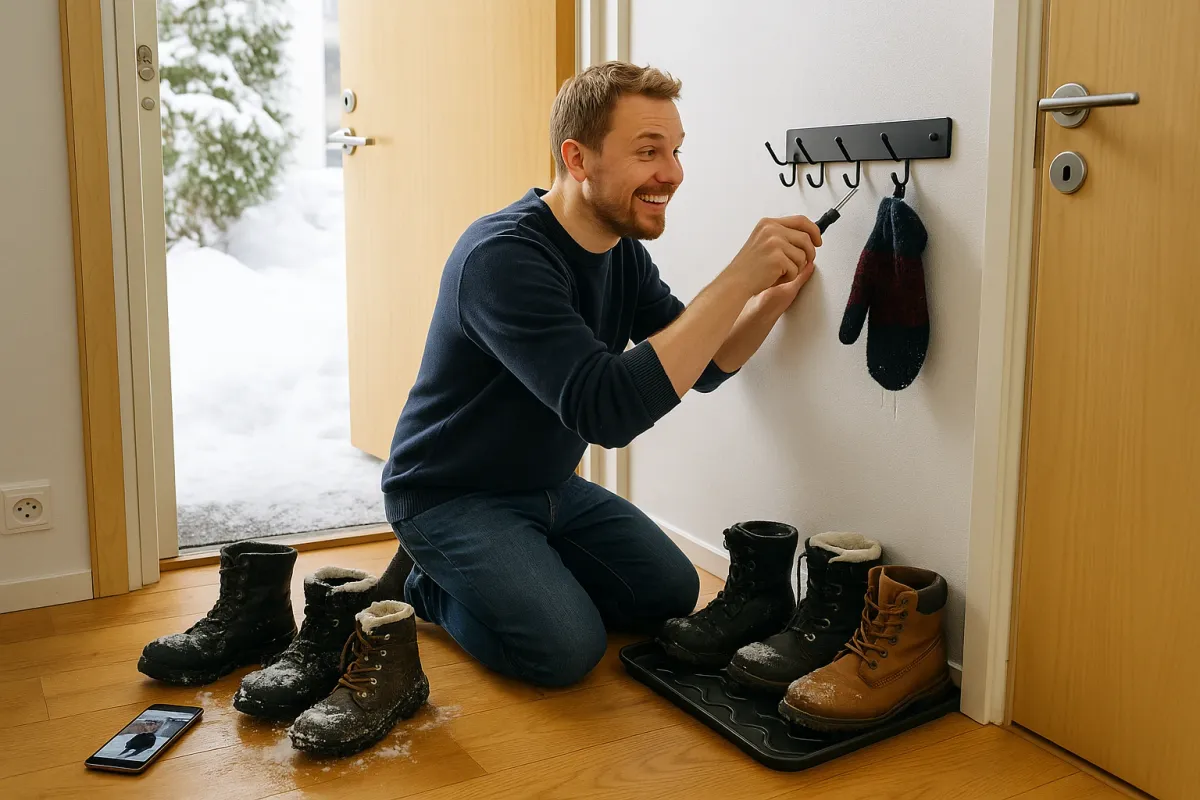
If you’ve ever rolled your eyes at a “Very Finnish Problems” meme about drafty windows, squeaky doors, or slippery winter steps, you already know: tiny home annoyances can feel huge when you live with them every day. The Instagram account and book behind “Very Finnish Problems” blew up by sharing the small, oddly specific frustrations of life in Finland—especially around weather, darkness, and homes that have to stand up to serious cold.
You don’t need Nordic winters to relate. Whether you’re in Minnesota or Madrid, those same “mildly annoying” issues show up as cold rooms, doors that never close right, and stairs that feel like an accident waiting to happen. The good news: a lot of these are home repair problems you can fix yourself over a weekend.
Below are five straightforward, step‑by‑step DIY fixes inspired by the kind of daily nuisances that go viral—only this time, you’ll actually solve them instead of just sharing the meme.
Stop Drafts Around Windows Without Replacing Them
Cold seeping in around your windows is classic northern-Europe frustration, and it’s not just a comfort issue—it wastes energy. Before you price out new windows, try tightening up what you already have.
Step 1: Find the leaks
Turn off fans and HVAC so air is still. On a windy day, move a lit incense stick or a thin piece of toilet paper slowly around the window frame, trim, and sill. Any spot where the smoke wobbles or the paper flutters is a draft point. Mark these lightly with painter’s tape.
Step 2: Check and replace weatherstripping
Open the window and inspect any rubber or foam strips where the sash meets the frame. If they’re brittle, cracked, or missing sections, peel them off. Clean the surface with a damp cloth, let dry, then apply new self‑adhesive weatherstripping that matches the gap size (foam for larger gaps, rubber or vinyl for tighter seals).
Step 3: Seal gaps with caulk
For gaps between the window frame and the wall/trim, use paintable latex caulk indoors. Cut the tip at a 45° angle, load your caulk gun, and run a steady bead along the crack. Smooth with a damp finger or caulk tool. Outside, use exterior‑grade silicone or polyurethane caulk where siding meets the window frame.
Step 4: Add a temporary window film (for winter)
If you live somewhere cold, clear shrink‑film kits can add a surprising amount of comfort. Clean the interior frame, apply the double‑sided tape, press the film into place, then use a hair dryer to tighten it. It’s removable in spring and can cut down on that “permanent chill” feeling.
Step 5: Improve insulation with thick treatments
Finish with heavier curtains, layered blinds, or thermal curtain liners. They won’t stop an extreme draft by themselves, but combined with sealing, they dramatically improve how warm the room feels—especially at night.
Silence That Squeaky Interior Door
Squeaky doors feature in more than a few “Very Finnish Problems” posts—middle of the night, everyone’s asleep, and the whole house hears one hinge. You don’t need special tools to fix this; just a bit of lube and ten minutes.
Step 1: Identify the squeaky hinge
Open and close the door slowly and listen. Most squeaks come from one hinge pin, not the whole door. Place your hand on each hinge while moving the door; you’ll feel the vibration on the noisy one.
Step 2: Try a quick, no‑removal fix
Start simple: add a couple of drops of multi‑purpose oil (or a silicone spray) directly onto the top of the hinge pin and along the hinge knuckles. Open and close the door 10–15 times to work it in. Wipe away drips with a rag.
Step 3: Remove and grease the hinge pin (if needed)
If the squeak returns quickly, tap the bottom of the hinge pin gently with a nail and hammer until it lifts. Pull it out with pliers. Wipe the pin clean, then coat it with a light layer of white lithium grease, petroleum jelly, or a non‑drip lubricant. Reinsert the pin and tap it down snugly.
Step 4: Tighten loose screws
While you’re there, check each hinge screw. Tighten them with a screwdriver. If a screw just spins and won’t tighten, remove it and insert a couple of wooden toothpicks coated in wood glue into the hole, snap them flush, and then drive the screw back in. This fills the hole so the screw can grip again.
Step 5: Check the door alignment
Open and close the door. It should move smoothly without rubbing. If it binds at the top or bottom, loosen the hinge screws slightly and nudge the door into a better position while the door is almost closed, then retighten. A small adjustment can eliminate rubbing that leads to more noise and wear.
Tame Slippery Steps And Entryways
Icy stairs and slick entry tiles are a very Finnish problem—but rain‑slicked porches and muddy entries are universal. A few simple upgrades can make these areas much safer.
Step 1: Clean the surface thoroughly
Outside steps: sweep away debris, then scrub with a stiff brush and a mix of water and outdoor cleaner or mild detergent. Rinse and let dry completely. Inside entries: mop tiles or vinyl with a degreasing floor cleaner to remove any waxy or oily residue.
Step 2: Add anti‑slip grip
For exterior wood or concrete steps, apply outdoor anti‑slip tread tape on each step near the edge, pressing firmly to remove bubbles. For a more permanent solution, use an anti‑slip paint or clear grit additive mixed into porch paint or sealer. Indoors, use low‑profile, rubber‑backed mats that won’t curl up at the corners.
Step 3: Improve lighting
Many accidents happen because people simply can’t see the edge of a step. Replace dim bulbs with brighter, warm‑white LEDs. On outdoor stairs, consider motion‑sensor solar step lights. Make sure switches are easy to reach before you step onto the staircase or entry.
Step 4: Add a secure handrail
If your steps don’t have a handrail, it’s worth adding one. Find studs on the wall side of a staircase using a stud finder, mark a comfortable height (usually around 34–38 inches above the stair nosing), and install brackets into studs, not drywall anchors alone. On open exterior steps, use rail posts anchored into the stringers or concrete with approved brackets.
Step 5: Put a “mud stop” system in place
Inside, create a simple dirt‑control zone: an outdoor scraper mat, then an indoor absorbent mat, followed by a small bench or stool for taking off shoes. Install a couple of hooks or a small rack nearby for wet coats. This keeps water and snow from turning the whole hallway into a slip zone.
Fix That Forever‑Running Toilet
That “just constantly running a little” toilet noise can be as annoying as a neighbor’s late‑night snowblower. It also wastes a lot of water—something that’s getting more attention as utilities tighten and weather patterns shift.
Step 1: Remove the tank lid and diagnose
Gently lift the tank lid and set it aside safely. Listen and watch. Is water flowing into the overflow tube? Does the flapper (the rubber piece at the bottom) look misaligned or warped? Note what’s happening before you start adjusting things.
Step 2: Check the flapper
Turn off the water supply valve behind the toilet and flush to empty most of the tank. Inspect the flapper. If it’s hard, cracked, or doesn’t sit evenly, unclip it from the overflow tube arms and take it to the hardware store to match the size. Clip the new one on, making sure the chain has a bit of slack—too tight and it may not close fully; too loose and it may not open for a full flush.
Step 3: Adjust or replace the fill valve
Turn the water back on. If the tank fills, then water spills into the overflow tube, your water level is set too high. On many modern fill valves, you’ll see a screw or a sliding clip on a float. Lower the float so the water stops about 1 inch below the top of the overflow tube. If the valve doesn’t respond or is corroded, consider replacing the whole fill valve assembly (most come with clear instructions and don’t require special tools).
Step 4: Set the correct water level
There’s usually a waterline mark inside the tank. Flush and watch where the water stops. Adjust the float until it consistently stops at the line or just below the overflow tube’s top. This prevents constant trickling that you might not hear during the day but definitely will at night.
Step 5: Test for silent leaks
Drop a few drops of food coloring into the tank, wait 10–15 minutes without flushing, and check the bowl. If the colored water appears in the bowl, your flapper is still leaking slightly or the seat is rough. Make sure the seat where the flapper lands is clean and smooth; lightly scrub with a non‑abrasive pad if needed. Retest until the color stays in the tank.
Warm Up A Cold Room Without Rewiring The House
Colder climates like Finland rely heavily on efficient heating, but even in milder areas, there’s usually “that one room” that never seems comfortable. Before you call in a contractor, you can often improve things with some simple checks and tweaks.
Step 1: Bleed radiators or clear vents
For hot‑water radiators, turn off the heat, then use a radiator key or flat screwdriver on the bleed valve at the top side of the unit. Open slowly over a bowl until water (not air) flows steadily, then close. For forced‑air systems, remove vent covers and vacuum out dust, pet hair, and debris that can reduce airflow.
Step 2: Check furniture placement
Make sure sofas, beds, or big cabinets aren’t blocking radiators or floor vents. Even a few inches of clearance improves heat flow. If a heavy piece of furniture must stay, use vent deflectors that push air out into the room instead of straight up into the furniture base.
Step 3: Seal obvious gaps and outlets
Walk the exterior walls on a cold day and feel around electrical outlets, window trim, and baseboards. Install inexpensive foam outlet gaskets behind faceplates on exterior walls, and run a thin bead of paintable caulk where baseboard meets wall if you feel drafts.
Step 4: Add reflective and insulating layers
Behind radiators on exterior walls, use radiator reflector foil or even aluminum‑foil‑backed insulation board to bounce heat back into the room instead of into the wall. On bare floors over unheated spaces, add dense area rugs with non‑slip pads. These won’t replace proper insulation but can make the room feel noticeably warmer.
Step 5: Use smart, localized heating
If the rest of the home is comfortable but one room lags, consider a quality, thermostatically controlled space heater used according to safety instructions (3‑foot clearance around, never left on unattended, plugged directly into a wall outlet). Pair this with a simple digital room thermometer so you’re not guessing—you’ll know exactly how much of a difference your other fixes made.
Conclusion
The kind of daily frustrations that make “Very Finnish Problems” and similar pages blow up online usually come from real, fixable issues at home: drafts, squeaks, slippery steps, and rooms that never feel quite right. You don’t need a full renovation—or a viral complaint post—to deal with them.
Start with one annoyance that’s been bugging you the most and follow the steps above. As you knock out each small repair, your home will feel quieter, warmer, and safer. And the next time you see a meme about that same problem, you’ll be the one dropping a “Here’s how I actually fixed this” comment instead of just hitting share.
Key Takeaway
The most important thing to remember from this article is that this information can change how you think about Home Repair.