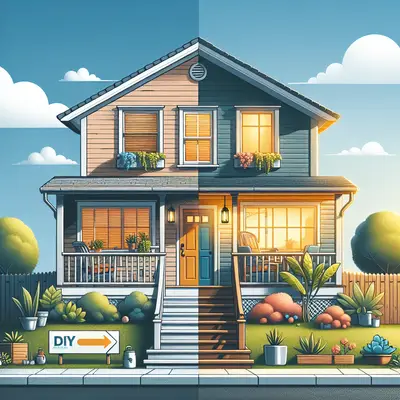
If your feed has been full of jaw-dropping images of old houses lately, you’re not alone. A recent viral Bored Panda feature, “50 Beautiful Old Houses That Show How Craftsmanship Has Stood The Test Of Time (New Pics)”, has millions of people dreaming about tall windows, thick trim, and creaky staircases. Those homes really do showcase craftsmanship that’s hard to find in modern builds.
But here’s the part that doesn’t make it into the photos: living in an older home means constant, very real repairs. Behind every stunning plaster ceiling, there’s probably a crack. Behind every original wood floor, there’s usually a loose board or two. If you own (or want to own) one of these charm-filled places, you need more than admiration—you need a practical repair plan.
Below are five step-by-step fixes inspired by what those viral old-house images don’t show you: the maintenance that keeps them standing and beautiful today.
1. Quiet and Tight: Fixing Creaky Old Wood Floors
Those polished wood floors in the photo galleries don’t creak on camera—but they almost certainly do in real life. Creaks usually happen because the floorboards or subfloor have loosened over time.
Step 1: Find the exact source of the squeak
Walk slowly across the floor and listen. Mark squeaky spots with painter’s tape or a pencil. Have someone stand below (if you have access to a basement) and tap the subfloor while you listen from above to pinpoint the worst offenders.
Step 2: Check what’s under the floor
From below, look for gaps between joists and the subfloor. In many pre-war homes, subfloors are planks, not modern plywood, and they can pull away from joists. Use a flashlight and look for movement when someone walks above.
Step 3: Secure from below with screws
Where you see movement, drive 2–3" wood or decking screws up through the joist into the subfloor. Pre-drill if the wood is very dry or brittle. Avoid over-tightening; you want a snug connection, not crushed wood.
Step 4: If you can’t access from below, use flooring screws from above
On finished floors, use trim-head screws designed for hardwood. Drive a screw through the floorboard into the subfloor/joist at the squeak. Countersink the head slightly, then fill with a matching wood filler or wax stick so the repair blends in.
Step 5: Reduce friction between boards
If the squeak is board-on-board (not subfloor), sprinkle talcum powder, powdered graphite, or even baking soda into the seams and work it in with a soft brush. This won’t fix structural issues, but it can quiet minor squeaks where boards rub.
2. Save the Plaster: Repairing Cracks Without Ripping Walls Open
Many of the old homes in that viral collection still have original plaster walls and ceilings. They look amazing—but plaster inevitably cracks. The good news: you don’t have to replace everything with drywall when cracks appear.
Step 1: Identify the type of crack
Hairline cracks (less than 1/16") are common and mostly cosmetic. Wider cracks can signal movement or failing plaster keys (where plaster no longer grips the lath). Note which type you’re dealing with and whether they keep reappearing.
Step 2: Open and clean the crack
For hairline cracks, slightly widen them with a utility knife or the corner of a putty knife so filler can actually get in. Brush out dust with a dry paintbrush or vacuum with a crevice attachment. Good adhesion starts with a clean surface.
Step 3: Use the right filler
For minor cracks, use a flexible joint compound or a plaster repair compound (not lightweight spackle that may re-crack). For deeper cracks, apply in thin layers, letting each layer dry before adding more. Feather the edges 2–3" out so repairs blend into the wall.
Step 4: Reattach loose plaster if it’s pulling away
If you tap and hear a hollow sound, the plaster may have detached from the lath. Use plaster repair washers and screws: drill pilot holes through the plaster into the lath, then drive the screws and washers until the plaster pulls snug against the lath. Repair over the washers with compound once everything is solid.
Step 5: Prime before painting
Always prime repaired areas with a quality bonding or stain-blocking primer. Old plaster is thirsty and uneven; primer helps the finish coat look uniform and prevents flashing (shiny patches).
3. Draft-Free, Not Character-Free: Sealing Old Windows Without Replacing Them
The tall, divided-light windows in those photos are a huge part of what makes historic houses feel special. But original single-pane windows are also one of the biggest sources of drafts and heat loss.
Step 1: Check for obvious gaps
On a windy day, hold the back of your hand near the sash edges, around the trim, and where the sash meets the sill and head. Light a stick of incense and watch the smoke for movement—it will show you exactly where air is moving.
Step 2: Weatherstrip the sashes
Use adhesive-backed foam or V-strip weatherstripping on the sash edges where they meet the jambs. Clean the surface with mild soap and water, let it dry, then apply the strips in one continuous piece wherever you feel drafts. Close the window to compress the foam and test the seal.
Step 3: Seal around interior trim
Run a thin bead of paintable latex caulk where the interior window trim meets the wall. In older homes, this gap is often open, drawing cold air from the wall cavity. Smooth the bead with a damp finger or caulk tool. Wipe any smears immediately.
Step 4: Add a seasonal interior storm layer
Apply clear window insulation film to the inside of the window frame in winter. Use double-sided tape around the trim, stretch the film across, and shrink it with a hair dryer. It’s not glamorous, but it’s removable, inexpensive, and effective.
Step 5: Maintain glazing putty on exterior
From the outside, inspect the glazing putty that holds each pane. If it’s cracked, missing, or crumbling, remove loose sections with a putty knife and re-glaze with fresh window putty. Proper glazing dramatically reduces rattling and air leaks while keeping the classic look.
4. Safe and Solid: Updating Old Electrical Fixtures Without Gutting Walls
The homes in that “beautiful old houses” feature often show original-style light fixtures and wall sconces. What you don’t see: a lot of those homes have had serious electrical upgrades behind the scenes. You can modernize safely while keeping a period look.
Step 1: Test before you touch anything
Turn off the breaker to the circuit you’ll be working on, then verify power is off with a non-contact voltage tester at the fixture or outlet. Never rely on labels alone in older panels; circuits are often mis-labeled.
Step 2: Inspect wiring when you remove a fixture
Carefully lower the existing light or outlet and look at the wiring. Cloth-covered, brittle insulation or knob-and-tube wiring are signs you need a licensed electrician, not DIY. If wires look burned, loose, or cracked, stop and call a pro.
Step 3: Install a modern box behind vintage-style fixtures
If there’s no proper electrical box, you’ll need one. Use an old-work (retrofit) box that clamps into plaster or lathe walls. These provide a safe, code-compliant enclosure for wiring while allowing you to put a historically styled fixture on top.
Step 4: Use properly rated connectors and fixtures
Connect wires with UL-listed wire nuts, matching color to color (hot to hot, neutral to neutral, ground to ground). Choose fixtures that are properly rated for the circuit and bulb type (e.g., LED-compatible, right wattage, damp-rated if in a bathroom).
Step 5: Upgrade outlets to GFCI and tamper-resistant where needed
In kitchens, bathrooms, basements, and exterior locations, install GFCI outlets for safety. Around kids or in rentals, choose tamper-resistant outlets. You can use period-correct cover plates so the look stays classic, even if the guts are fully modern.
Always follow your local electrical code. If you’re not fully confident, have an electrician do the wiring and keep your DIY efforts to patching, painting, and installing covers or fixtures.
5. Stop the Smell, Keep the Charm: Dealing With Old-House Odors at the Source
The photos online never show what older homes sometimes smell like: damp basements, musty closets, or that “old house” odor that never quite goes away. You don’t have to live with it, and you don’t have to strip your house to the studs either.
Step 1: Find where the smell is strongest
Start with your nose and be methodical: basement, crawlspace, closets, behind furniture, under rugs. Musty odors often point to moisture or poor ventilation; pet or smoke smells tend to cling to fabrics and unfinished wood.
Step 2: Tackle moisture first
Use a hygrometer (cheap, digital humidity meter) to check basements and lower levels. Aim for 30–50% indoor humidity. If it’s higher, improve grading outside, clean gutters, extend downspouts, seal obvious foundation cracks, and run a dehumidifier.
Step 3: Clean what you can remove
Wash curtains, slipcovers, and washable rugs with a bit of white vinegar in the rinse cycle to cut odor. For hardwood floors and trim, use a wood-safe cleaner—not bleach or saturated water. For unfinished wood (like in closets), lightly sand and seal with a shellac-based primer to lock in odors.
Step 4: Prime, don’t just paint, smelly surfaces
If walls or ceilings smell like smoke, pets, or dampness (after you’ve solved the moisture issue), use a stain- and odor-blocking primer—ideally a shellac or oil-based formula—before repainting. These seal in odors in a way standard latex primer can’t.
Step 5: Add simple, low-tech ventilation
Install or upgrade bathroom and kitchen exhaust fans and actually use them. Consider adding passive vent grilles in closed-off rooms or closets. In older homes with solid construction, small improvements in airflow can make a huge difference over time.
Conclusion
Those viral photos of “Beautiful Old Houses” are more than nostalgia—they’re a reminder that craftsmanship lasts, but only if someone takes care of it. The owners of those picture-perfect places are almost certainly doing the unglamorous work: tightening floors, patching plaster, sealing windows, updating electrical, and chasing down mystery smells.
If you’re living in an older home—or dreaming of buying one—you don’t have to choose between character and comfort. Start with practical, manageable repairs like the ones above. Tackle one project at a time, keep safety first, and you’ll be doing what the best historic homes owners quietly do every day: making sure that craftsmanship really does stand the test of time.
Key Takeaway
The most important thing to remember from this article is that this information can change how you think about Home Repair.