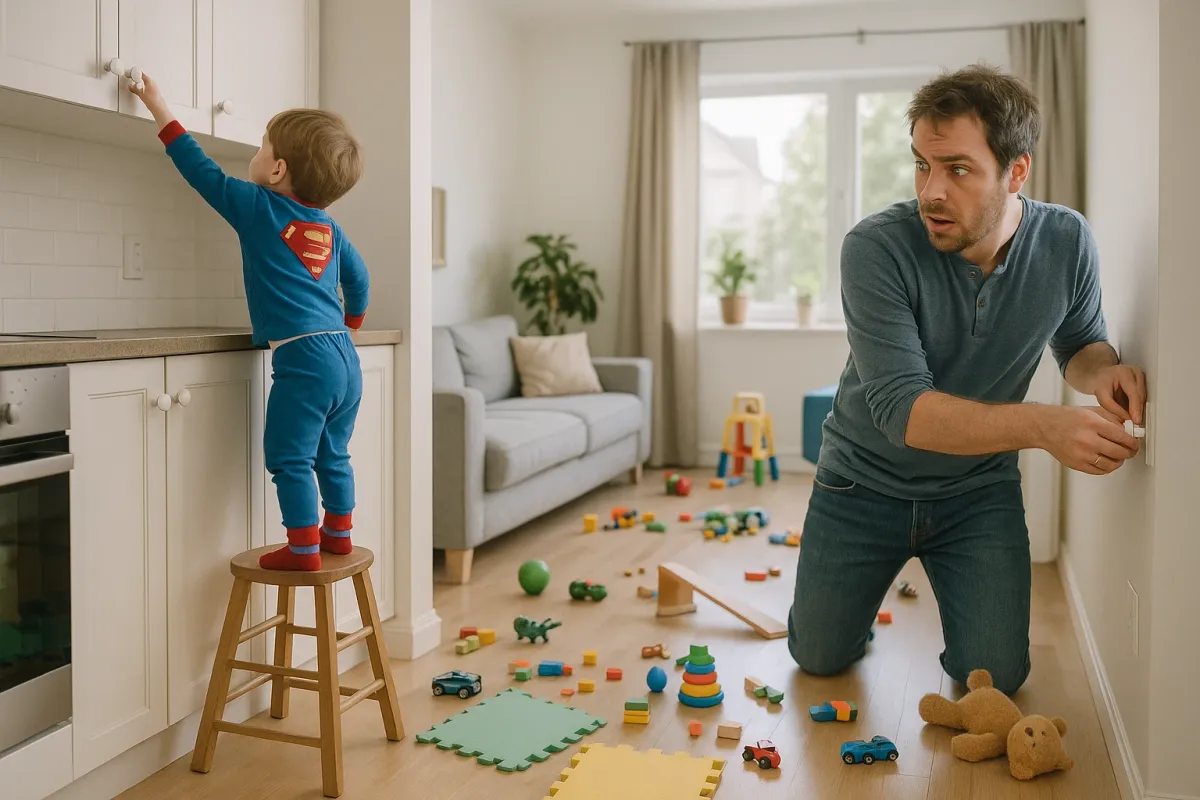
Kids today can crack passwords, bypass screen limits, and outsmart “childproof” caps before they can ride a bike. If you’ve seen parents on Twitter joking that their kids are “criminal masterminds,” you know it’s funny—until that same cleverness is aimed at your tools, outlets, or cleaning chemicals. Modern parenting isn’t just about managing screens; it’s also about upgrading your home so it’s genuinely safe for curious, tech‑savvy kids.
As stories about sneaky toddlers and inventive teens keep trending online, a lot of parents are realizing their homes are protected against yesterday’s hazards, not today’s. This guide walks you through practical, repair‑minded upgrades you can do yourself to make your home tougher to “hack”—physically and digitally—by your own little masterminds.
Step 1: Lock Down Dangerous Storage (So They Can’t “Outsmart” Simple Latches)
Old‑school plastic latches often fail the moment a determined kid watches you open them twice. To keep cleaners, tools, and meds truly off‑limits, you need upgrades that assume your child is observant, persistent, and surprisingly strong.
- Identify your “high‑risk” zones. Walk through your kitchen, bathrooms, laundry room, garage, and workshop. Anything sharp, poisonous, flammable, or heavy enough to injure should be behind upgraded protection.
- Install better cabinet and drawer locks.
- Use magnetic cabinet locks inside lower cabinets that hold cleaners or chemicals. The cabinet only opens with a magnetic “key,” which you store high out of reach.
- For drawers with knives or small tools, use internal latches or locking drawer slides instead of simple exterior clips.
- Add hasps and padlocks to “no‑go” storage. On garage cabinets, utility closets, or under‑stairs storage, mount a hinged hasp (the metal loop and plate) and secure it with a combination padlock. Use short screws appropriate for the material (wood screws for wood cabinets, self‑tapping screws for metal).
- Anchor tall storage to the wall. Kids climb. IKEA and other major brands have had widely covered campaigns and recalls around tip‑over risks, and pediatric groups keep warning about this. Use furniture anti‑tip straps or L‑brackets to secure dressers, bookcases, and tall cabinets to studs.
- Test your work like a determined kid. Pull, tug, twist, and try to yank on doors and drawers. If it opens with a firm pull, upgrade the hardware or add a second layer (lock + latch, for example).
Pro tip: If your kid has figured out push‑button combination locks, switch to a keyed lock and keep the key on your own keyring. Don’t hang keys on a hook at child height “for convenience.”
Step 2: Upgrade Outlets and Cords Before Curious Hands Find Them
Parents keep sharing photos and stories of kids unplugging routers, rewiring game systems, and “helping” with chargers. That same curiosity around cords and outlets can become a real electrical hazard if your home isn’t updated.
- Replace old outlets with tamper‑resistant receptacles (TRRs).
- These look like normal outlets but have built‑in shutters that only open when both prongs of a plug go in evenly.
- Turn off power at the breaker, confirm with a non‑contact voltage tester, then swap old outlets for TRR models, matching wire positions (hot, neutral, ground).
- Secure power strips and surge protectors.
- Mount power strips under desks or on walls with screws or adhesive brackets to keep them off the floor and out of sight.
- Use locking outlet covers or cord management boxes for entertainment centers that are kid magnets.
- Shorten and hide cords.
- Use cord clips and cable raceways along baseboards or walls to eliminate hanging loops kids can pull or trip over.
- Coil extra length with Velcro wraps and keep it behind furniture, not under rugs (which can cause overheating and wear).
- Shield high‑use outlets. For frequently used outlets (like phone charging stations), use sliding outlet covers that close automatically when a plug is removed—no loose caps to lose or swallow.
- Create a “no cords” zone in play areas.
- Relocate lamps, chargers, and speakers to perimeter walls and use taller floor lamps or overhead lighting.
- If you must have power in the middle of a room, run a cord inside a floor cord cover and tape down the edges securely.
Pro tip: Label essential plugs (Wi‑Fi, modem, security system) with bright tags at the outlet. If your “tech genius” unplugs it to charge their tablet, you’ll know exactly what got pulled and where it goes back.
Step 3: Reinforce Doors, Windows, and “Escape Routes” (For Houdini‑Level Kids)
Social media is full of stories of toddlers opening deadbolts, slipping out through pet doors, or “exploring” the yard before sunrise. A basic lock is no match for a determined child who’s watched you open it daily.
- Add top‑mounted secondary locks on exterior doors.
- Install chain locks, sliding bar locks, or top‑flip locks well above your child’s reach.
- Screw directly into the solid door frame, not just the trim, using long wood screws (at least 2–3 inches) for strength.
- Upgrade basic deadbolts.
- If your deadbolt is loose or misaligned, remove the strike plate and reinforce it with a heavy‑duty strike plate and longer screws that bite into the wall framing.
- Make sure the bolt fully extends into the strike hole when the door is closed—adjust if needed.
- Secure sliding doors.
- Drop a cut‑to‑fit wooden dowel or metal bar in the track so the door can’t be forced open even if the latch fails.
- Install an anti‑lift device (or a simple bracket screwed into the upper track) so the door can’t be lifted out of the frame.
- Add window locks and stoppers.
- For double‑hung windows, install sash locks and sliding window stops that let you open the window a few inches for air but not enough for a child to slip through.
- For casement or slider windows, add auxiliary locks or keyed locks to the frames.
- Secure pet doors.
- If your child can fit through the pet door, upgrade to a locking pet door and keep it locked when unsupervised.
- For extra security, build a small fenced “airlock” area just outside the pet door so even if a child crawls out, they’re still contained.
Pro tip: Get down to your child’s height and look at doors and windows from their eye level. Anything that looks like a handle, button, or latch is going to be tested—plan your hardware upgrades accordingly.
Step 4: Make Your DIY Space “Kid‑Proof” Without Killing Your Projects
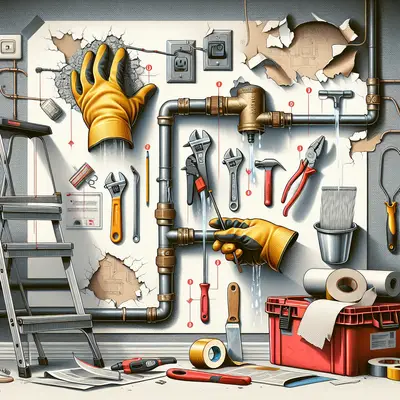
If you’re handy, your tools are probably your favorite toys—and your kids know it. With more parents doing DIY repairs and renovations (and posting the progress online), workshops and garages are full of attractive, dangerous objects. You don’t have to give up your projects, but you do need a better system.
- Create a true “no‑kid” zone.
- Use a lockable door knob or keypad lock on your workshop, garage side door, or tool room.
- Post a simple sign at kid eye level—“STOP: Tools Inside”—to reinforce the rule visually.
- Store power tools in locked cabinets.
- Install locking hasps or cam locks on tool cabinets and drawers.
- For wall‑mounted tool boards, add locking cabinet doors or clear panels over the pegboard so tools stay visible but not accessible.
- Tame loose hardware and sharps.
- Move nails, screws, blades, and bits into lidded, labeled containers kept on high shelves.
- Use magnetic parts trays only when actively working, then clear them into containers before you walk away.
- Control extension cords and chargers.
- Unplug charging stations when not in use and mount them at adult height.
- Coil and hang extension cords on wall‑mounted hooks instead of leaving them in piles on the floor.
- Set a cleanup habit tied to project time.
- Before you leave the space, run a quick checklist: tools unplugged, blades covered, liquids capped, floor swept.
- Keep a small shop vac or broom and magnetic pickup tool handy to catch stray screws, nails, or metal shavings that can end up in little hands or feet.
Pro tip: If your child loves “helping,” set up a kid‑safe mini workbench in a different area with blunt tools, scrap wood, and clamp‑on vises. They get to “build” while your serious tools stay locked away.
Step 5: Combine Physical Safety With Smart Tech (Because Your Kid Uses Tech Too)
The same kids who outwit baby gates are also figuring out Wi‑Fi passwords and smart speaker commands. Blending old‑school home repair with modern smart tech gives you a better safety net—and helps you stay ahead of creative “digital escapes.”
- Secure smart locks and cameras from the start.
- Change default passwords immediately and use unique, strong passphrases for devices and apps.
- Turn on two‑factor authentication for your smart home accounts so a guessed password alone won’t open doors.
- Use sensors as backups, not crutches.
- Install door and window contact sensors on exterior doors and ground‑floor windows. Set up alerts to your phone when they open during “quiet hours” or at night.
- Combine these with the physical locks from earlier steps; tech is your alarm, not your only barrier.
- Set up safe “zones” with smart plugs and lights.
- Use smart plugs to automatically shut off lamps, space heaters, or entertainment systems in kids’ rooms at bedtime.
- Program motion‑activated lights in hallways and staircases so midnight wanderers can see without fumbling for switches.
- Lock down the Wi‑Fi and router.
- Move the router to a high, less accessible location and use zip ties or brackets to secure power and Ethernet connections.
- Use your router’s parental control features or a dedicated app to limit device access by time and content.
- Review device placement like a detective.
- Don’t put smart speakers or tablets where a child can use voice commands to unlock doors, turn off cameras, or buy items.
- Check your smart home app to see which devices can control locks, alarms, and cameras, and remove access from shared or kid‑used devices.
Pro tip: If your child already knows your phone passcode, assume they can access smart home apps too. Add app‑specific locks (like biometric locks or PINs) so unlocking your phone isn’t enough to control the house.
Conclusion
Parents online joke about raising “criminal mastermind” kids because so many of them can outsmart baby gates, simple locks, and weak passwords. The reality behind the jokes is that modern homes need modern safety upgrades—especially when you’ve got curious, clever kids roaming around.
By reinforcing storage, upgrading outlets, securing exits, kid‑proofing your DIY spaces, and layering in smart tech the right way, you’re not just reacting to one viral story—you’re getting ahead of the next mishap. Treat your home the way a determined kid would: assume anything they can reach, watch you use, or poke at will eventually be tested. Build around that, and you’ll have a safer, smarter space that still works for real life, real repairs, and real families.
Key Takeaway
The most important thing to remember from this article is that following these steps can lead to great results.